

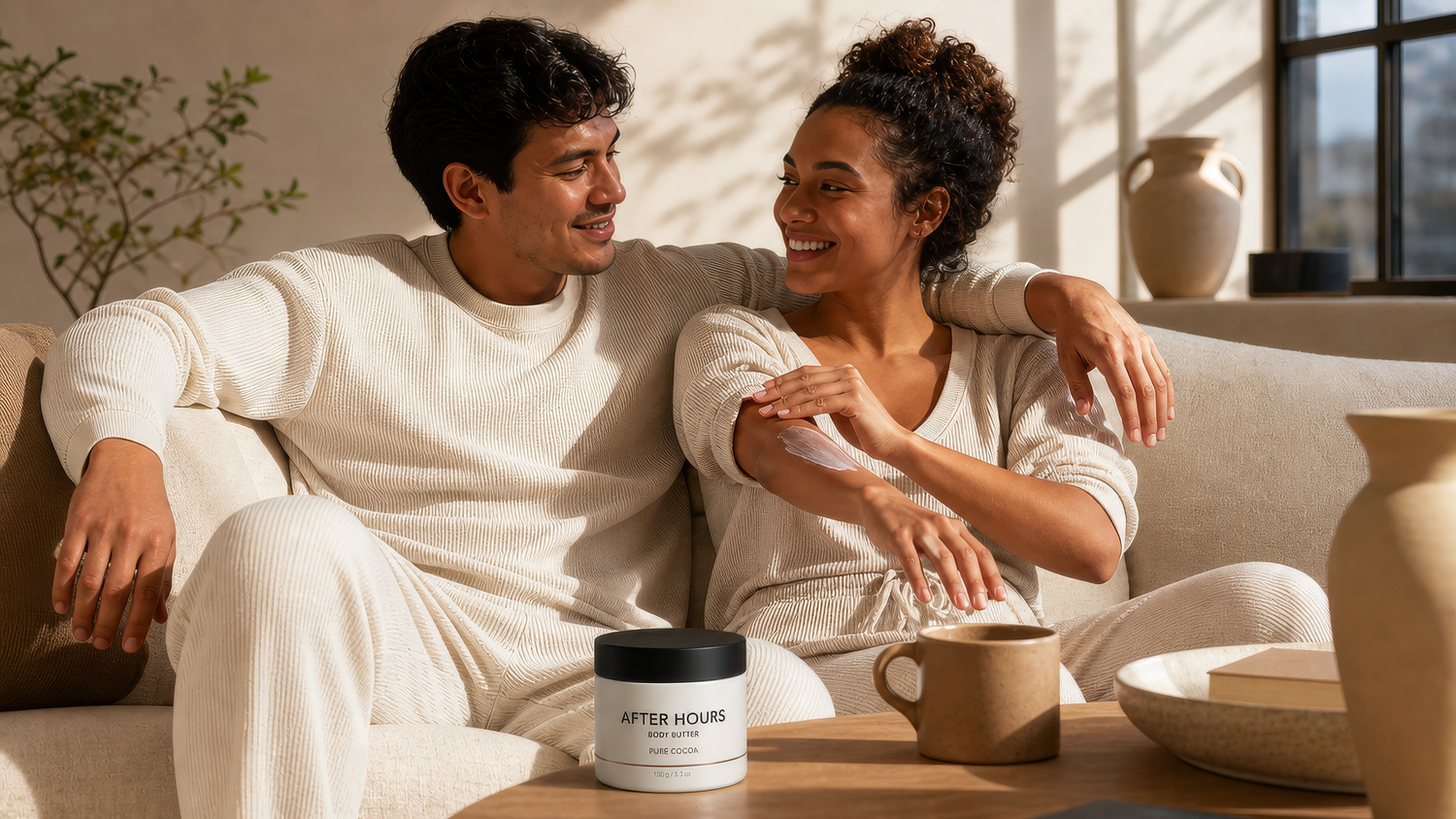

Hemp seed, grapeseed, squalane and jojoba oil sit at the low end of the comedogenic scale and rarely trigger breakouts. Coconut oil, cocoa butter and wheat germ oil are generally considered more likely to clog pores. No rating guarantees a result on your skin, though, so patch-test any new oil for 48 to 72 hours before putting it anywhere near your face.
TL;DR:
- The comedogenic scale varies significantly across different tests, making a low rating not a guaranteed indicator of safety for every skin type.
- Oils high in lauric acid, such as coconut oil and cocoa butter, often clog pores and are best avoided on the face for oily or acne-prone skin.
- Patch-testing oils for 48 to 72 hours before use can prevent adverse reactions, especially when introducing new products into your routine.
- Fatty-acid profiles, especially linoleic versus oleic content, provide a more reliable guide for predicting how oils will behave on different skin types than the comedogenic ratings alone.
- Choosing simple, low-additive formulas and patch-testing individual oils remains the safest approach for managing pore-clogging risks.
Table of Contents
- Comedogenic ratings for oils: how the 0–5 scale actually works
- A quick reference: common oils and butters, rated
- Why fatty acids matter more than the rating itself
- How to choose and patch-test an oil for your skin
- Why the comedogenic scale isn’t the final word
- The Afterhoursbodybutter view on ingredient choices
- What actually works, and what’s worth ignoring
- A lower-risk way to care for your skin, without the guesswork
- Sources
- FAQ
Comedogenic ratings for oils: how the 0–5 scale actually works
The comedogenic scale runs from 0 to 5. Zero means an ingredient is very unlikely to clog pores; 5 means it clogs them readily in the testing model used. That single number is the entire basis for most “safe oils” lists you’ll find online, which is exactly why it’s worth understanding what it does and doesn’t measure before you build a routine around it.
The scale was never standardised the way, say, SPF has been. Different labs have used rabbit ear assays, human back or forearm patch tests, and varying concentrations of the ingredient in question. A rating from one source can differ from another for the same oil, simply because the test conditions weren’t the same. That’s why you’ll often see jojoba oil listed as a 0 in one place and a 2 in another.
Here’s roughly how the bands break down in practice:
- 0 to 1: Very unlikely to clog pores under normal use; suitable for most skin types, including breakout-prone skin.
- 2: Low to moderate risk; usually fine, but worth watching if you already get frequent breakouts.
- 3: Moderate risk; better suited to dry or normal skin than oily or acne-prone skin.
- 4 to 5: High risk; best avoided on the face if you’re prone to congestion, though it may still work fine on the body.
The most important gap in these numbers is the difference between an ingredient tested in isolation and the same ingredient sitting in a finished product. A moisturiser built around a mid-rated oil can still behave well if it’s formulated at a low concentration alongside ingredients that offset pore-clogging, while a “safe” oil layered on thick and undiluted can still cause problems for some skin. Rating charts describe the raw ingredient’s tendency, not what happens once it’s blended, diluted, and applied at real-world concentrations.
A quick reference: common oils and butters, rated
Here’s how the most commonly discussed oils and butters typically score, along with the fatty-acid profile that mostly explains why.
| Oil / butter | Typical rating (0–5) | Best for | Dominant fatty acid | Texture |
|---|---|---|---|---|
| Jojoba oil | 0–2 | Oily, combination, acne-prone skin | Wax ester, close to sebum | Light, fast-absorbing |
| Grapeseed oil | 1 | Oily and acne-prone skin | Linoleic | Very light |
| Hemp seed oil | 0 | Oily, acne-prone, sensitive skin | Linoleic | Light, slightly tacky |
| Squalane | 0–2 | Nearly all skin types | Saturated/monounsaturated (stable) | Light, silky |
| Rosehip oil | 1 | Acne-prone, ageing, or scarred skin | Linoleic | Light to medium |
| Sunflower oil | 0–2 | Oily and normal skin | Linoleic | Light |
| Argan oil | 0 | Normal, dry, and combination skin | Oleic and linoleic mix | Medium, silky |
| Marula oil | 1–2 | Dry and normal skin | Oleic | Medium |
| Sweet almond oil | 2 | Normal and dry skin | Oleic | Medium |
| Coconut oil | 4 | Body, hair, dry skin (not face) | Lauric (saturated) | Rich, heavy |
| Cocoa butter | 3–4 | Body care | Oleic and stearic | Very rich, solid |
| Shea butter | 0–2 | Body and dry facial skin | Oleic and stearic | Rich, creamy |
A few of these deserve a closer look. Jojoba oil technically isn’t a triglyceride oil at all, it’s a liquid wax, which is part of why it mimics sebum so closely and sits at the gentle end of most lists. Squalane, the stable, shelf-friendly version of squalene, is widely regarded by skincare experts as one of the most broadly tolerated emollients on the market, and it rarely appears above a 2 anywhere.
Coconut oil is the one that trips people up most often. It’s excellent for hair and dry patches on the body, but its high lauric acid content makes it one of the more reliably pore-clogging oils for facial use, especially on oily or acne-prone skin. Cocoa butter follows a similar pattern: brilliant for softening rough skin on elbows, knees and stretch-prone areas, but its 3 to 4 rating means most acne-prone people should keep it off the face. Afterhoursbodybutter’s own breakdown of cocoa butter’s comedogenic risk covers exactly this face-versus-body distinction in more depth.
Shea butter is more forgiving than its cousin cocoa butter. Depending on how it’s refined, it often lands closer to 0–2, which is why it shows up in body butters and facial moisturisers alike. A detailed look at shea butter’s comedogenic range is worth reading if you’re deciding whether it’s appropriate for your own skin.
Trusted consumer health summaries consistently group hemp seed, grapeseed, rosehip, squalane and jojoba among the least likely to clog pores, while coconut oil and several heavier butters keep turning up at the higher end. That consistency across independent sources is one of the stronger signals in this whole area, but treat every number in that table as a typical figure, not a guarantee. Sources disagree by a point or two more often than you’d expect, and your own skin is the only test that actually counts.
Why fatty acids matter more than the rating itself
Linoleic acid and oleic acid are the two fatty acids that do most of the work in explaining why oils behave so differently on skin. Linoleic acid is thinner, lighter, and tends to mimic the fatty-acid profile found in healthy sebum. Oleic acid is heavier and more occlusive, sitting on the skin’s surface longer and sealing moisture in more aggressively.
Research from the Linoleic acid and skin health overview at the Linus Pauling Institute notes that linoleic acid is an essential fatty acid tied to skin-barrier lipid composition, and some studies associate low surface-lipid linoleic levels with comedo formation. In plain terms: skin that’s short on linoleic acid in its own sebum seems more prone to clogged pores, which is part of why topically applying linoleic-rich oils is often suggested for acne-prone skin.
That doesn’t mean oleic-rich oils are bad. It means they’re a mismatch for some skin types and a perfect fit for others. Dry, mature, or barrier-compromised skin often does well with oleic-heavy oils like argan or sweet almond, because the occlusive quality that clogs an oily complexion is the same quality that stops a dry one losing moisture overnight.
A rough rule of thumb:
- Oily or acne-prone skin: lean towards linoleic-dominant oils such as grapeseed, hemp seed, rosehip and sunflower.
- Dry or normal skin: oleic-dominant oils like argan, marula and sweet almond tend to sit more comfortably.
- Uncertain or combination skin: squalane and jojoba sit closer to the middle and suit most people regardless of fatty-acid preference.
Checking a product’s fatty-acid profile alongside its comedogenic rating gives you a far more reliable read than the rating alone.
How to choose and patch-test an oil for your skin
Picking the right oil isn’t just about finding the lowest number on a chart. Run through this before you commit to a new bottle:
- Check the rating, then check the fatty-acid profile. A 1 or 2 rated oil that’s heavily oleic might still feel too rich for very oily skin.
- Look at concentration and formulation. An oil listed as an ingredient far down a long list behaves differently to the same oil sold neat.
- Scan for fragrance and known allergens. Added fragrance is a more common irritant trigger than the base oil itself in a lot of reactions.
- Patch-test before anything touches your face. Apply a small amount behind your ear or on your inner forearm and leave it alone for 48 to 72 hours, watching for redness, itching, or small bumps.
- Introduce it slowly. Start with once daily at night, and hold off layering it with strong actives like retinoids or exfoliating acids until you know how your skin responds.
- Watch for red flags. New pimples clustering where you applied the oil, persistent stinging, or spreading redness are reasons to stop and, if the reaction doesn’t settle within a week or two, book in with a dermatologist.
Pro Tip: Test one new oil at a time, not three at once. If your skin reacts, you’ll have no idea which product caused it, and you’ll end up ruling out something that was actually fine.
If you’re weighing up whether an oil or a heavier butter suits your skin better in the first place, this piece on choosing between body oil and butter walks through the practical differences.
Why the comedogenic scale isn’t the final word
Most comedogenic data comes from animal assays or small human patch-test studies. Neither reliably predicts finished product behavior since other factors like formulation and concentration influence results.
The comedogenic scale is a rough sorting tool, not a diagnostic test. A dermatologist’s caution worth taking seriously is that individual skin chemistry and how an oil is formulated into a final product usually matter more than the raw ingredient’s published number.
Evidence reviews of comedogenic ratings point to the same conclusion: published scores vary by test model, concentration, and vehicle, so a single figure doesn’t guarantee finished-product behaviour. If you have severe or persistent acne, a chart is a starting point for narrowing options, not a substitute for clinical guidance or testing the actual product you plan to use.
The Afterhoursbodybutter view on ingredient choices
Afterhoursbodybutter favours low-additive, vegan ingredients partly because simpler formulas make comedogenic risk easier to judge and manage. The breakdowns of shea butter’s comedogenic range and cocoa butter’s higher risk profile reflect that thinking directly. Body butters are formulated primarily for body care, so patch-test before any facial use.

What actually works, and what’s worth ignoring
Chase the fatty-acid profile over the headline number; it tells you more about how an oil will actually feel and behave on your skin type. Patch-test everything new, give it a few days, and don’t assume a “0 rated” oil is automatically right for you just because a chart says so. If breakouts persist despite careful choices, that’s a conversation for a dermatologist, not another list.
— Darnell
A lower-risk way to care for your skin, without the guesswork
Some body butters are formulated with short, deliberate ingredient lists, an approach that reduces additives and makes it easier to judge how a product will sit on your skin.

These body butters are built for body care, often using fat-soluble vitamins and nutrients to support skin texture and moisture retention rather than heavy, pore-blocking fillers. If you’re deciding between an oil and a richer butter for dry patches or general hydration, the body oil versus butter comparison breaks down which suits which situation. For anyone weighing up shea or cocoa butter specifically, the shea butter comedogenic breakdown is worth a read before you buy. As with any new oil or butter, patch-test first and keep facial use separate from body use unless a product is specifically formulated for the face. Ready to see the full range? Visit the Afterhoursbodybutter shop to find a body butter suited to your skin.
Sources
- Comedogenic scale for oils: What to know | Curology
- Noncomedogenic oils: List of oils, effects on face, and skin care | Healthline
- Linoleic acid and skin health | Linus Pauling Institute (Oregon State University)
FAQ
Which oil is most comedogenic?
Wheat germ oil and coconut oil are consistently ranked among the most comedogenic oils, typically scoring 4 or higher on the 0–5 scale, which makes them poor choices for facial use on acne-prone skin.
Which oil has a 0 comedogenic rating?
Hemp seed oil is one of the most consistently rated 0 oils across consumer health summaries, with grapeseed, sunflower and jojoba also frequently rated at or near 0.
What oils don’t clog hair follicles?
Non-comedogenic oils such as hemp seed, grapeseed, squalane and jojoba are unlikely to clog hair follicles, largely thanks to their linoleic-rich or wax-ester composition that mimics natural sebum rather than sitting heavily on the skin.
Which facial oils are non-comedogenic?
Jojoba, grapeseed, hemp seed, rosehip and squalane are widely considered non-comedogenic facial oils, though even these should be patch-tested first since formulation and individual skin chemistry still affect the outcome.