

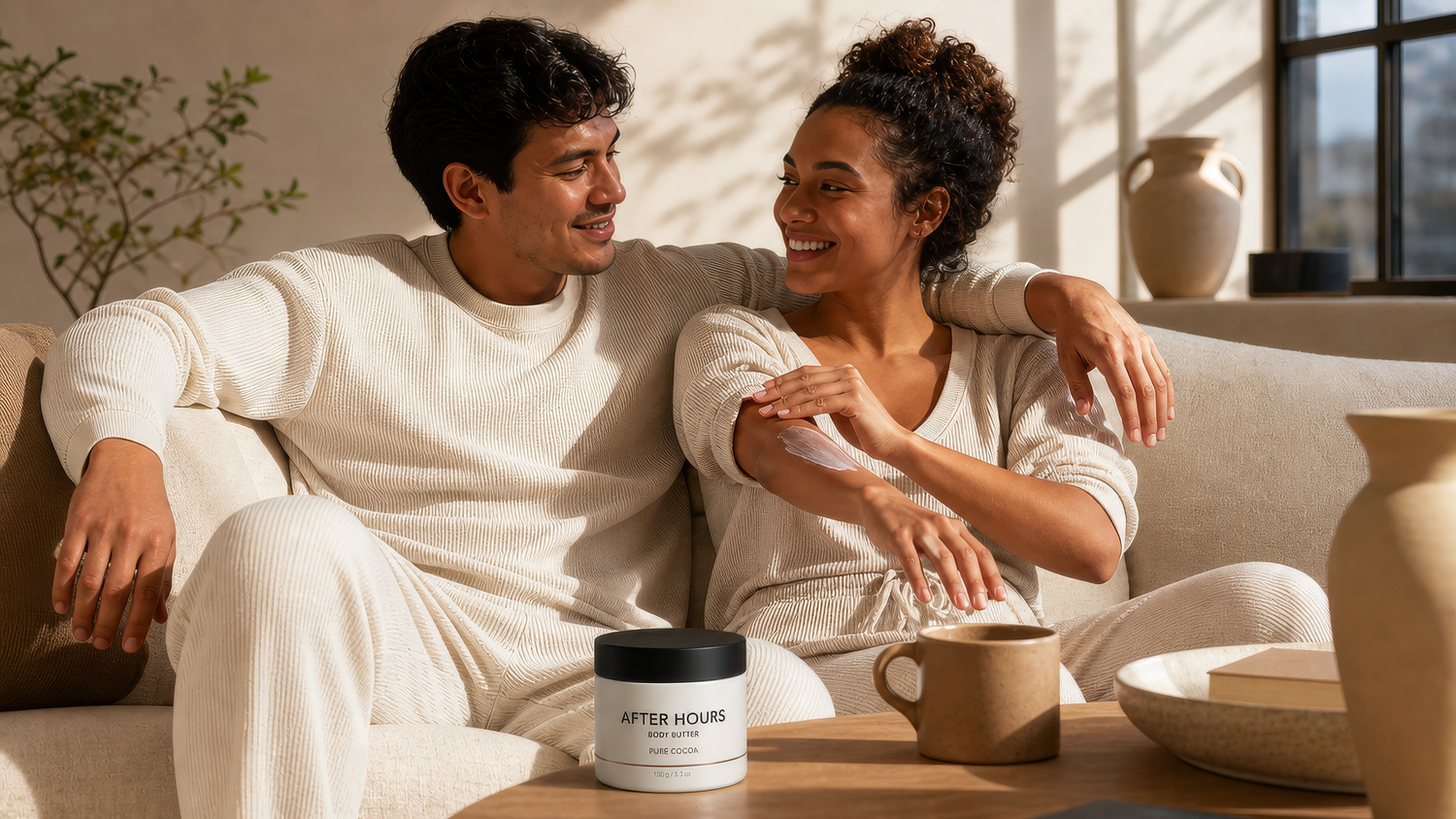

Plant butters hydrate skin by acting as emollients and occlusives, not by adding water themselves. They work by sealing moisture into the skin after water has been introduced. The most effective approach is to apply them within 5–10 minutes after bathing, while skin is still damp, so the butter locks in that surface moisture before it evaporates.
Here is what that means in practice:
- Plant butters fill gaps in dry skin and soften rough patches, acting as emollients
- They form a layer on the skin surface that slows water loss, acting as occlusives
- Shea, cocoa, and mango butter are among the most widely used options for body care
- Applying to dry skin reduces efficacy and can feel heavy or greasy
- Pairing butters with a humectant such as glycerin or hyaluronic acid delivers better results for dehydrated skin
How your skin barrier controls hydration
Your skin’s outermost layer, the stratum corneum, regulates how much water stays in and how much escapes. When this barrier is intact, skin feels soft and supple. When it is damaged, water evaporates faster, leaving skin tight, flaky, or rough.
Hydration and moisturisation are related but not the same. Hydration refers to water content inside skin cells. Moisturisation refers to maintaining the lipid barrier that keeps that water in place. Plant butters address the second part. They prevent moisture loss by reinforcing the skin’s surface, but they cannot pull water into skin cells on their own.
That is where humectants come in. Ingredients such as urea, hyaluronic acid, and amino acids attract water to the stratum corneum. These compounds are part of what dermatologists call Natural Moisturising Factors (NMFs), a group of water-binding molecules naturally present in healthy skin. NMF levels drop in people with xerosis, atopic dermatitis, and psoriasis, which is why topical supplementation matters.
Moisturisers that incorporate NMFs alongside ceramides and humectants can restore skin hydration significantly better than ceramide-only formulations, with one study showing a 76.9% increase in hydration after 10 days compared to a 50.1% increase from ceramide-based cream alone.
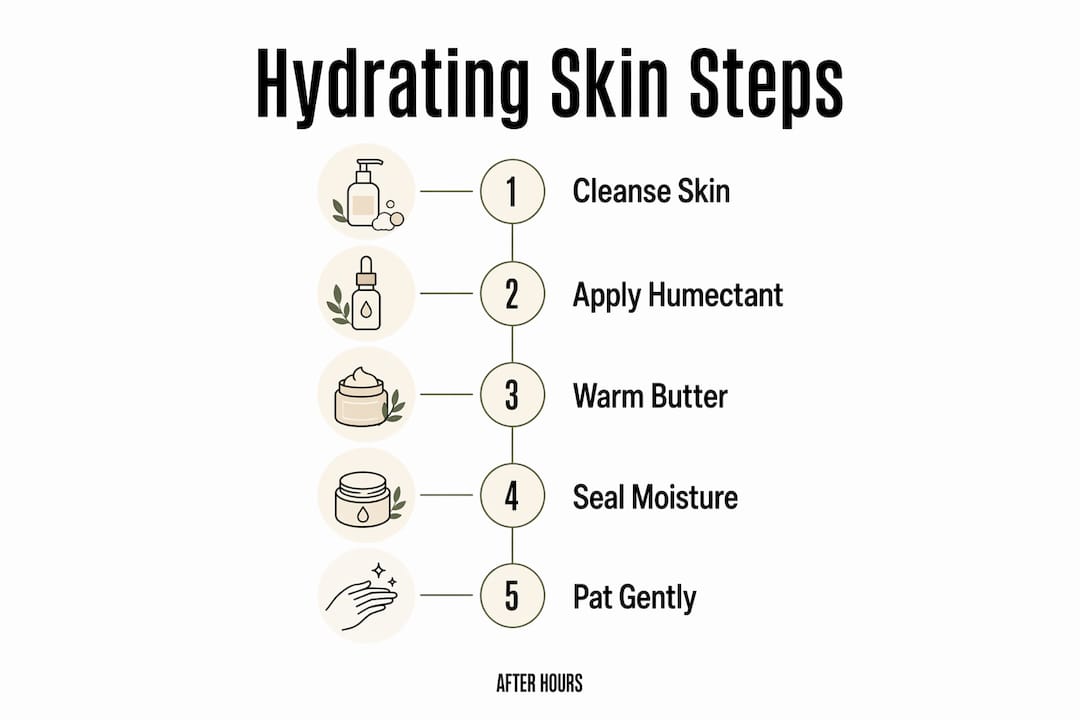
Plant butters work best as the final step in a two-part process: humectants deliver water, and butters seal it in. Sunflower seed oil, for example, supports the lipid barrier without irritation because of its high linoleic acid content, whereas oils high in oleic acid can disrupt the barrier in some skin types. Understanding this distinction helps you choose the right ingredients for your routine.
Pro Tip: Apply a few drops of a glycerin-based serum or mist your skin lightly with water before reaching for your body butter. The butter then traps that moisture rather than sitting on a dry surface.
Choosing and applying plant butters for your skin type
Not every plant butter suits every skin type. Getting the match right makes a real difference to how your skin feels and how well the product absorbs.
Shea butter is the most versatile option. Rich in fatty acids and antioxidants, it seals in moisture for deep, long-lasting hydration and has anti-inflammatory properties that help with rough patches and irritation. It suits dry to normal skin well.
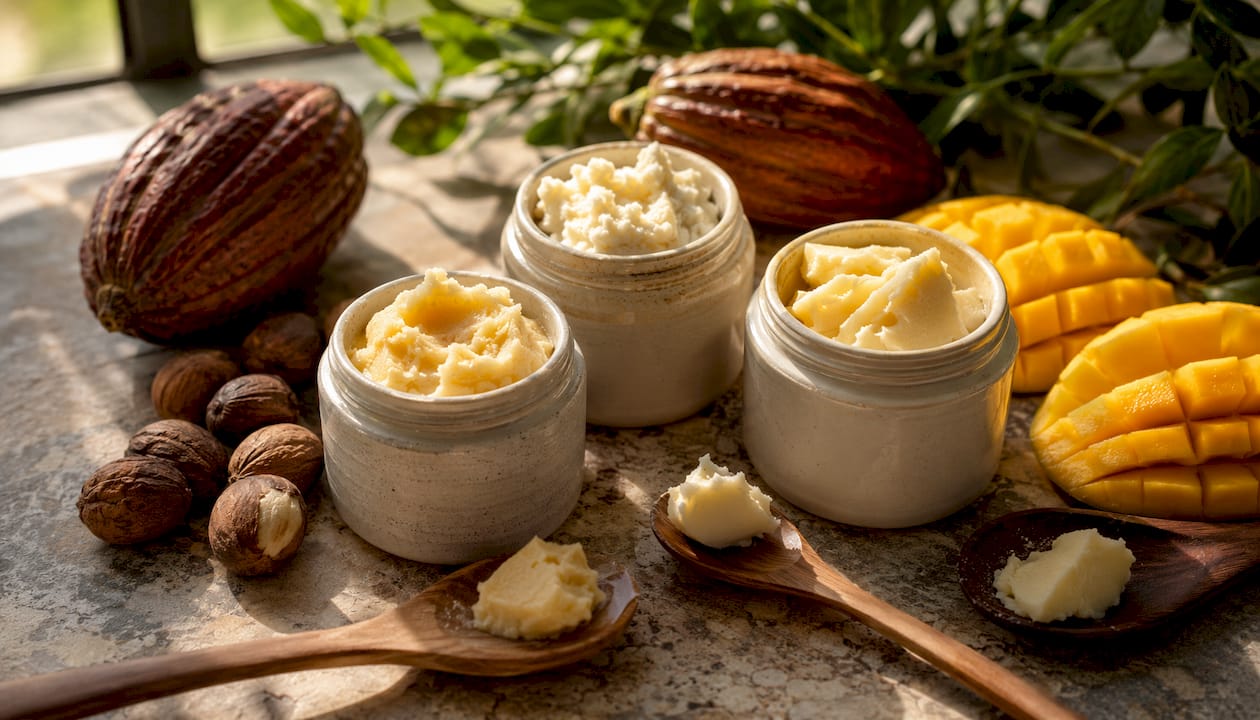
Cocoa butter is denser and more occlusive, making it particularly useful for very dry areas such as elbows, knees, and heels. Its heavier texture means it is less suited to oily or acne-prone skin on the face, though it works well on the body.
Mango butter is lighter in texture than both shea and cocoa, absorbs more readily, and suits combination or mildly oily skin better than the heavier alternatives. It still provides good occlusive coverage without the thick, greasy feel.
For oily skin, applying butters without a water layer can feel uncomfortable and may block pores. Blending a small amount of mango butter with a water-based humectant serum improves absorption and comfort considerably. You can also explore nourishing body butters formulated specifically for different skin concerns.
Application tips:
- Pat skin gently dry after bathing rather than rubbing; vigorous towel-drying strips natural oils and disrupts the barrier
- Apply butter while skin is still slightly damp
- Use gentle circular massage to aid absorption and circulation
- Apply at least once daily; twice daily suits very dry or cracked skin
- In winter or dry climates, increase frequency and consider a thicker butter such as cocoa or shea
- In summer or humid conditions, a lighter option like mango butter prevents the heavy, sticky feeling
Patch testing: Always test a new butter on a small area of skin, such as the inner forearm, and wait 24 hours before wider use. Nut-derived butters, including shea, carry a low but real risk of reaction for people with tree nut sensitivities.
Afterhoursbodybutter formulates its body butters with fat-soluble vitamins and skin-specific nutrients, targeting concerns such as dryness and acne without synthetic additives. Their vegan, cruelty-free range is designed for people who want results without compromising on ingredients.
Pro Tip: For very dry skin in winter, warm a small amount of shea butter between your palms before applying. It spreads more evenly and absorbs faster when slightly warmed.
Why sourcing and sustainability matter in natural skincare
Choosing a plant butter is not only about what it does for your skin. How it is produced affects both the environment and the communities that grow and harvest it.
Shea butter, for example, is sourced primarily from West Africa. Unsustainable harvesting practices can deplete shea tree populations and undercut the livelihoods of the women who traditionally process the nuts. Cocoa butter production carries similar concerns around deforestation and fair trade in West African and South American growing regions.
When buying plant-based skincare, look for these markers:
- Cruelty-free certification: confirms no animal testing at any stage of production
- Vegan certification: confirms no animal-derived ingredients or by-products
- Chemical-free or clean formulation: no synthetic preservatives, parabens, or artificial fragrances that can irritate sensitive skin
- Sustainably sourced ingredients: ideally with traceability to the growing region
Afterhoursbodybutter commits to cruelty-free, chemical-free ingredients and sustainable sourcing practices across its product range. For readers who want a broader view of how natural emollients fit into current skincare formulation, skincare ingredient guidance covers the latest thinking on plant-based options.
Storage and shelf life also affect both efficacy and waste. Plant butters are susceptible to oxidation, which degrades their fatty acids and reduces their moisturising performance. Store them in a cool, dark place away from direct sunlight and heat. Shea butter typically lasts 12–24 months when stored correctly; cocoa butter has a longer shelf life of up to two years. Keep lids tightly closed and use clean, dry hands or a spatula to scoop product, as water contamination accelerates spoilage.
Key takeaways
Plant butters hydrate skin most effectively when applied to damp skin as the final step after a humectant, sealing in moisture rather than supplying it.
| Point | Details |
|---|---|
| Apply to damp skin | Use butter promptly after bathing to lock in surface moisture before it evaporates. |
| Pair with humectants | Humectants like glycerin or urea deliver water to skin cells; butters then seal it in for lasting hydration. |
| Match butter to skin type | Shea suits dry skin; mango butter is lighter and better for oily or combination skin. |
| NMF-enriched formulas outperform | A study found NMF cream raised hydration by 76.9% after 10 days, versus 50.1% for ceramide-only cream. |
| Check sourcing credentials | Look for cruelty-free, vegan, and sustainably sourced certifications to support ethical production. |