

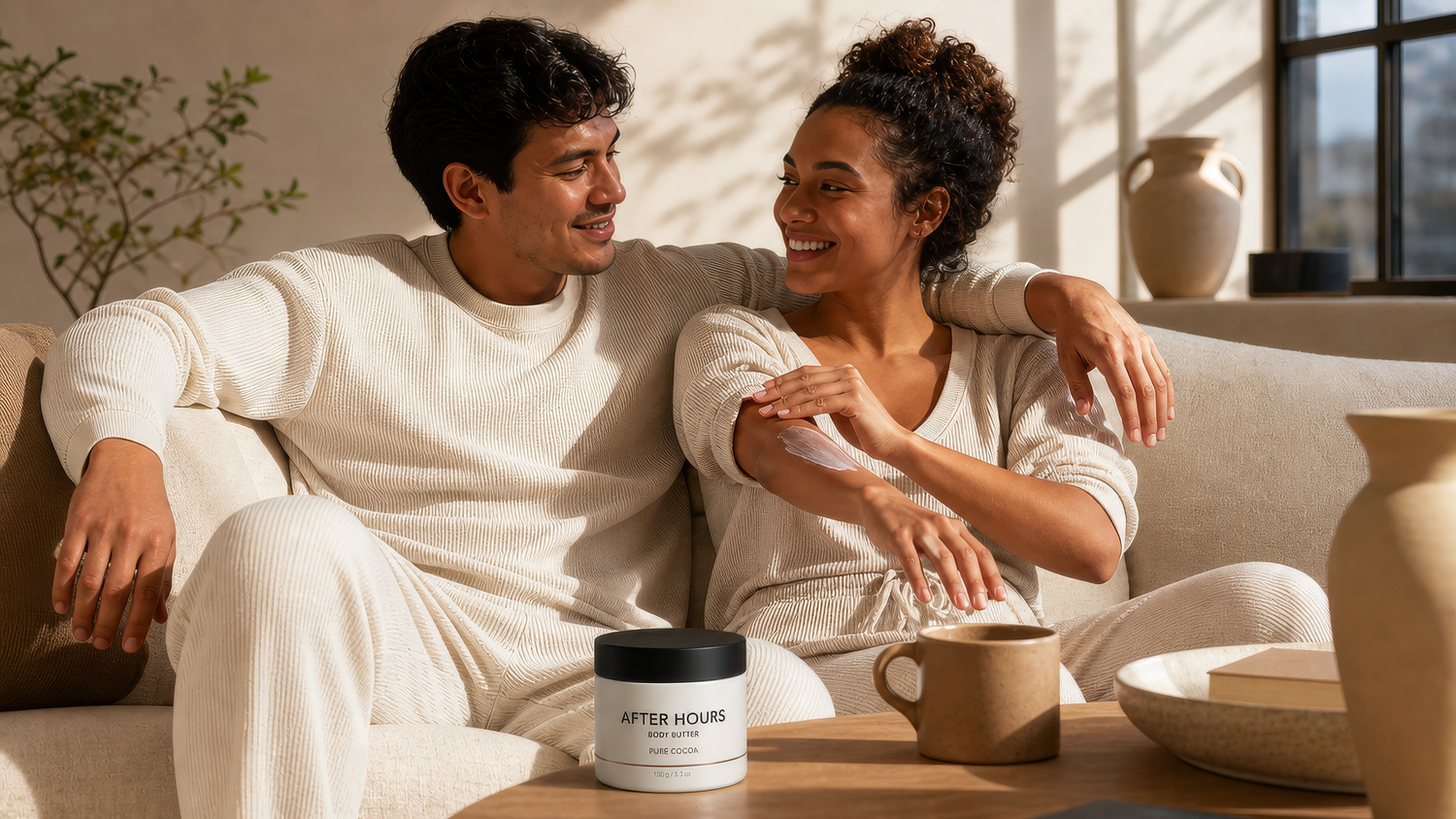

Rich skin nourishing butters are concentrated plant fats that deeply moisturise, restore the skin barrier, and reduce transepidermal water loss (TEWL). The industry term for these ingredients is “anhydrous emollients,” though “skin nourishing butters” describes their function accurately. The types of rich skin nourishing butters available today range from everyday shea and cocoa to lesser-known options like kokum and cupuaçu, each with a distinct fatty acid profile and skin benefit. Knowing which butter suits your skin type, whether sensitive, acne-prone, or dry, means the difference between a product that works and one that sits on the shelf.
What makes a skin nourishing butter effective?
The effectiveness of natural moisturising butters comes down to three factors: fatty acid composition, absorption rate, and how the butter is blended. Butters rich in oleic acid, such as shea, penetrate deeply and soften the skin barrier. Those higher in stearic acid, such as cocoa, sit closer to the surface and provide occlusive protection.
Ideal body butter formulations contain 40–60% solid butters combined with 40–60% carrier oils. That ratio prevents a waxy feel and allows nutrients to reach the skin rather than sitting on top of it.

Skin type matters when choosing a butter. Dry and sensitive skin benefits from heavier, more occlusive butters like shea. Oily and acne-prone skin does better with lighter, faster-absorbing options like mango or kokum. The texture you feel on application is largely a result of formulation, not the butter alone.
Key characteristics to look for:
- Comedogenic rating: Lower is better for acne-prone skin. Kokum butter rates 0.
- Melting point: Butters that melt at or near body temperature spread more easily.
- Unsaponifiable fraction: Higher levels mean more anti-inflammatory and skin-repairing compounds.
- Refinement level: Unrefined butters retain more active compounds than refined versions.
Pro Tip: If a body butter feels greasy on your skin, the issue is almost always the butter-to-oil ratio in the formula, not the butter itself. A well-balanced blend absorbs cleanly.
1. Shea butter
Shea butter is the most widely used plant butter in skincare, and for good reason. It contains a high unsaponifiable fraction, which includes triterpene alcohols and antioxidants that reduce inflammation and support barrier repair. Unrefined shea butter retains a significantly higher concentration of these therapeutic compounds compared to refined versions.
Clinical evidence supports its use on sensitive and atopic skin. In a 4-week trial, shea butter reduced eczema severity scores from 3 to 1, compared to petroleum jelly which reduced scores from 3 to 2. That result makes shea the first choice for anyone managing dry, compromised, or reactive skin.
Shea is considered the most versatile butter for dry skin, though its texture can feel heavy when used alone. Blending it with a lighter butter improves daily wearability without sacrificing its barrier-repair benefits.
2. Mango butter
Mango butter is pressed from the seed kernel of the mango fruit and offers a noticeably lighter texture than shea. Mango butter at 15–25% in a blend creates faster-absorbing textures suited to daily use. It works well for all skin types, including oily and combination skin, where heavier butters would feel uncomfortable.
Consistent use of mango butter reduces TEWL by up to 30%, supporting long-term skin hydration. That level of moisture retention makes it a strong performer for anyone who needs daily hydration without heaviness. Its high oxidative stability also means it has a longer shelf life than many other plant butters.
3. Cocoa butter
Cocoa butter is one of the firmest plant butters, with a melting point close to body temperature. That property makes it ideal for solid skincare bars and firm balms that melt smoothly on contact with skin. It is rich in antioxidants and provides strong occlusive protection, which benefits dry and mature skin.
Its high stearic and palmitic acid content gives cocoa butter excellent oxidative stability. The trade-off is that it can feel heavy on oily skin and may clog pores if used in high concentrations without balancing oils. Blending cocoa butter with lighter carrier oils resolves this for most skin types.
Afterhoursbodybutter uses cocoa butter in its men’s deep moisture formula, designed specifically for dry skin that needs sustained barrier protection.
4. Kokum butter
Kokum butter is one of the hardest plant butters available and one of the most underused. It absorbs quickly, leaves no greasy residue, and carries a comedogenic rating of 0, making it the top choice for facial formulations and acne-prone skin. That zero rating means it will not block pores, which is a genuine concern with richer butters.
Its firm texture means it functions as a structuring agent in formulations, adding body to a product without adding heaviness to the skin. Kokum is a strong shea butter alternative for anyone who finds shea too rich or occlusive. It blends well with lighter oils to create non-greasy, fast-absorbing moisturisers.
5. Cupuaçu butter
Cupuaçu butter comes from the seeds of the cupuaçu fruit, native to the Amazon basin. Its most remarkable property is its water absorption capacity. Cupuaçu butter absorbs up to 240% of its own weight in water, making it one of the most effective humectant butters available. That means it actively draws moisture into the skin rather than simply sealing it in.
Its texture is softer than shea or cocoa, and it spreads easily without feeling heavy. Cupuaçu is particularly useful in anhydrous formulations where no water is present, because it compensates by pulling moisture from the environment. It suits dry, dehydrated, and sensitive skin types well.
6. Muru muru butter
Muru muru butter is extracted from the seeds of the Astrocaryum murumuru palm, found in the Amazon rainforest. It is rich in lauric and myristic acids, which give it conditioning properties for both skin and hair. Its creamy, medium-firm texture makes it easy to work with in formulations.
Muru muru is a good plant-based skin moisturiser for those seeking a vegan alternative to lanolin. It softens and smooths the skin surface without a heavy residue. Its conditioning profile makes it particularly effective in body butters designed for rough or textured skin.
7. Mango and shea blends
Blending shea and mango butter produces a result neither delivers alone. Shea provides deep barrier repair and anti-inflammatory compounds. Mango lightens the texture and improves daily wearability. Together, they create a rich emollient cream that absorbs well and suits a wider range of skin types.
Pro Tip: Start with a 60% shea and 40% mango ratio, then adjust based on your skin’s response. If the blend still feels heavy, reduce shea to 50% and add a fast-absorbing carrier oil like jojoba.
This type of blend works particularly well as a base for natural vegan moisturisers. Adding fractionated coconut oil or sweet almond oil to the blend further improves absorption and reduces any residual greasiness.
How to choose and use skin nourishing butters
Choosing the right butter starts with identifying your primary skin concern. Dry and sensitive skin responds best to shea, used alone or blended with mango. Acne-prone skin benefits from kokum or mango, both of which are lighter and non-comedogenic. Dehydrated skin that lacks water rather than oil benefits most from cupuaçu.
Practical guidance by skin type:
- Dry or mature skin: Use shea or cocoa butter as the primary butter, blended with sweet almond oil for spreadability.
- Sensitive or atopic skin: Unrefined shea butter is the most evidence-backed option. Apply to damp skin after bathing to lock in moisture.
- Acne-prone skin: Choose kokum or mango butter. Avoid cocoa butter in high concentrations.
- Combination skin: A shea and mango blend at equal ratios works well. Use sparingly on the T-zone.
- Vegan moisturiser seekers: All plant butters listed here are vegan. Muru muru and cupuaçu are strong choices for those avoiding common allergens.
Carrier oils like fractionated coconut oil and sweet almond oil help butters absorb faster and reduce greasiness. Adding 20–30% of a fast-absorbing oil to any butter blend improves the skin feel significantly.
Pro Tip: Apply body butter within three minutes of stepping out of the shower. Damp skin absorbs emollients more effectively than completely dry skin, and you will use less product.
Formulating and combining butters for best results
Blending butters with carrier oils is the standard approach for creating effective, wearable moisturisers. A 50–55% butter content in a formulation balances nourishment and absorbency, allowing fat-soluble vitamins to penetrate without leaving a heavy film on the skin.
The oils you choose matter as much as the butters. Fast-absorbing options include:
- Jojoba oil: Technically a liquid wax, it mimics the skin’s natural sebum and absorbs without residue.
- Sweet almond oil: Rich in oleic acid, it softens and conditions while improving spreadability.
- Fractionated coconut oil: Lightweight and stable, it extends shelf life and speeds absorption.
- Rosehip oil: High in linoleic acid, suited to acne-prone and ageing skin.
Harder butters like kokum and cocoa provide structure to a formulation. Softer butters like cupuaçu and muru muru improve texture and spreadability. Balancing one hard and one soft butter with a carrier oil produces a product that is neither waxy nor greasy.
| Butter type | Texture | Best for | Comedogenic rating |
|---|---|---|---|
| Shea | Medium | Dry, sensitive, atopic skin | 0–2 |
| Mango | Light | All types, daily use | 0–2 |
| Cocoa | Firm | Dry, mature skin | 4 |
| Kokum | Hard | Acne-prone, facial use | 0 |
| Cupuaçu | Soft | Dehydrated, sensitive skin | 1 |
| Muru muru | Medium | Rough, textured skin | 2 |
Key takeaways
The most effective skin nourishing butters are those matched to your skin type and blended at a 40–60% butter-to-oil ratio for clean absorption and genuine barrier repair.
| Point | Details |
|---|---|
| Match butter to skin type | Kokum suits acne-prone skin; shea suits dry and sensitive skin. |
| Blend for best absorption | Use 40–60% butter with fast-absorbing carrier oils to avoid greasiness. |
| Unrefined beats refined | Unrefined shea retains more anti-inflammatory compounds than refined versions. |
| Cupuaçu is a humectant | It absorbs up to 240% of its weight in water, actively drawing moisture in. |
| Greasiness is a formula issue | A well-balanced blend absorbs cleanly; adjust ratios before switching butters. |
What I have learned about choosing skin butters
The most common mistake I see is people abandoning a butter because it felt greasy, when the real problem was the formula. Shea butter on its own is heavy. Shea butter blended with 30% jojoba oil is not. The butter was never the issue.
My honest advice for anyone starting out: buy a small amount of unrefined shea butter and use it on its own for two weeks. You will quickly learn whether your skin needs something lighter or whether the texture works for you. That baseline tells you everything about how to build a blend.
The clinical evidence for shea on atopic and sensitive skin is the strongest of any plant butter available. If you have eczema or reactive skin, shea is where you start. Everything else is refinement from there.
One thing that surprised me when I first looked closely at the research: the difference between refined and unrefined shea is not cosmetic. Unrefined shea contains significantly more of the therapeutic unsaponifiable fraction. If you are buying shea for skin repair, the unrefined version is the only version worth using.
Consistent use matters more than the specific butter you choose. The barrier-repair benefits of these plant emollients build over weeks, not days. Switching products every fortnight means you never give any butter the time to show what it can do.
— Darnell
Afterhoursbodybutter: natural body butters worth trying
Afterhoursbodybutter formulates all its body butters with natural, vegan ingredients and no synthetic fillers. Each product is built around the butter-to-oil ratios that deliver real absorption rather than surface-level coating.
The luxury scented body butter range covers options for dry, sensitive, and everyday skin. The men’s cocoa body butter is a strong starting point for dry skin that needs sustained moisture. For those who want a lighter daily option, the Blueprint Aura and Midnight Static formulations use balanced blends that absorb cleanly. All products are cruelty-free and made without harsh chemicals.
FAQ
What is the best butter for dry skin?
Shea butter is the most effective option for dry skin, with clinical trials showing it reduces eczema severity more effectively than petroleum jelly over four weeks. Blending it with mango butter improves daily wearability without reducing its moisturising effect.
Can body butters cause acne?
Most plant butters do not cause acne when chosen correctly. Kokum butter has a comedogenic rating of 0 and is safe for acne-prone skin. Cocoa butter rates higher and is better avoided in high concentrations on breakout-prone areas.
How often should you apply body butter?
Apply body butter once daily, ideally to damp skin within three minutes of bathing. This frequency maintains skin hydration and supports barrier repair without product build-up.
Are skin nourishing butters suitable for sensitive skin?
Unrefined shea butter is the most evidence-backed choice for sensitive and atopic skin. Cupuaçu is also well-tolerated and adds humectant properties that suit reactive skin types.
What is the difference between a body butter and a lotion?
Body butters are anhydrous, meaning they contain no water, and rely entirely on plant fats and oils for moisture delivery. Lotions contain water and require preservatives. Butters provide deeper occlusive protection and are better suited to very dry or damaged skin.