

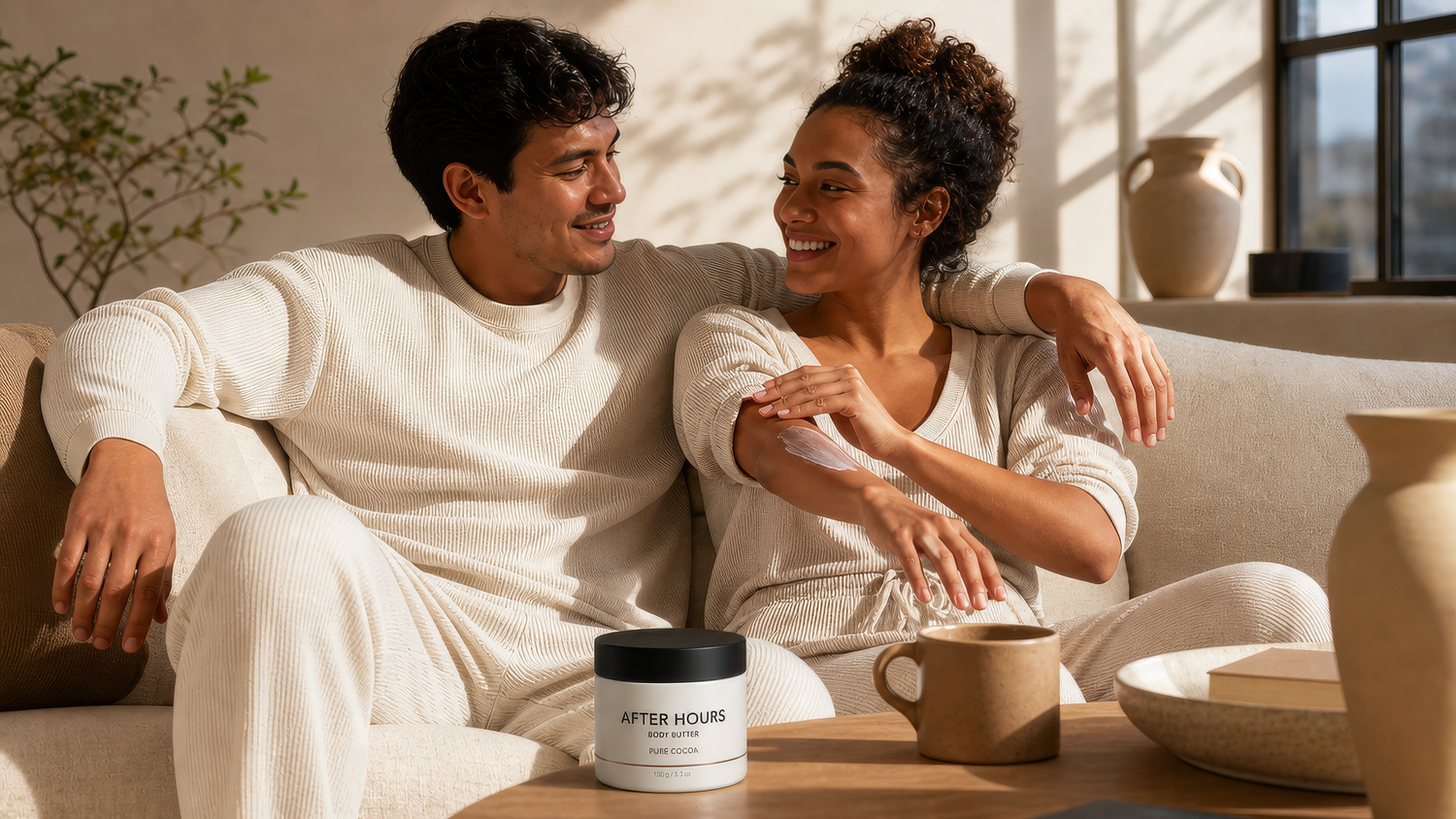

The skin moisture barrier is defined as the outermost layer of the epidermis, a lipid-rich structure that prevents water loss and blocks environmental irritants. When this barrier breaks down, you get dryness, redness, acne flare-ups, and persistent irritation. The good news is that you can strengthen skin moisture barrier function with the right ingredients, a consistent routine, and a few key lifestyle adjustments. This guide covers exactly what works, and why, for sensitive, dry, and acne-prone skin.
What components strengthen the skin moisture barrier?
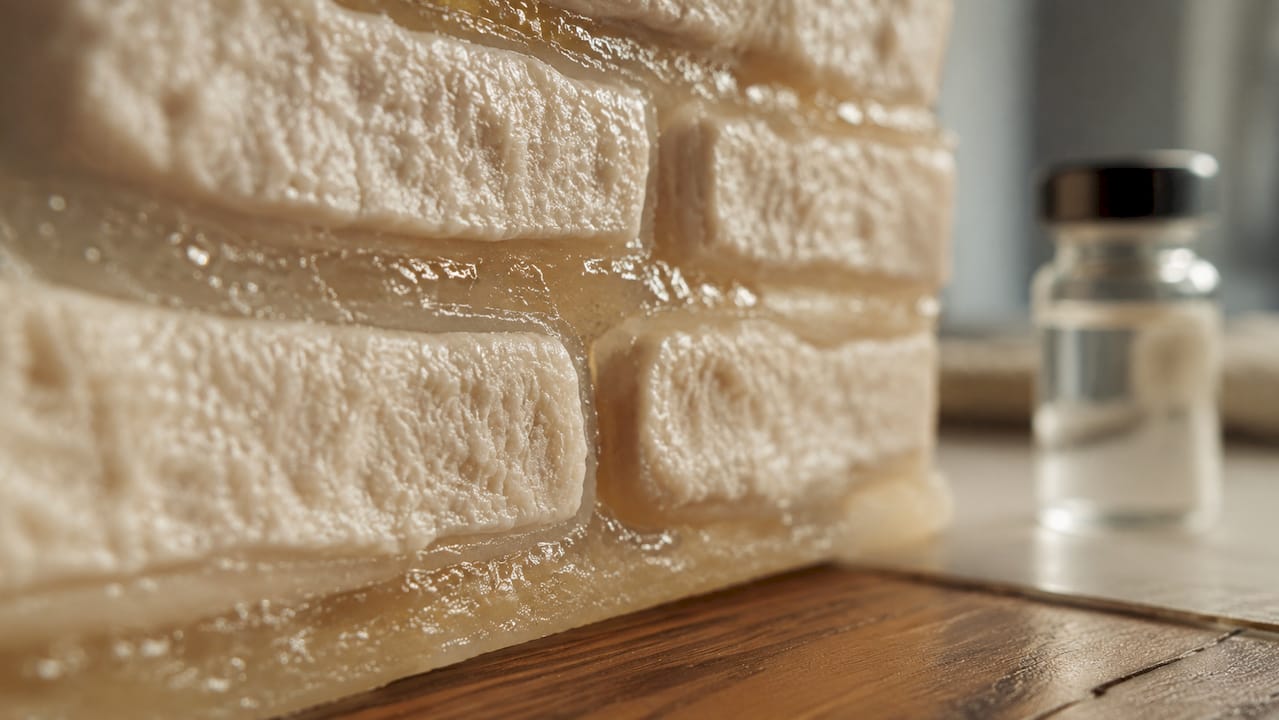
The skin barrier follows a “brick and mortar” model. Corneocytes are the bricks, and the lipid matrix surrounding them is the mortar. That mortar is made up of three lipids: ceramides, cholesterol, and fatty acids. A balanced ratio of these three is what keeps the barrier functional. Disrupt that ratio and the barrier leaks water and lets irritants in.
Ceramides make up roughly half the lipid matrix and act as the primary sealant between skin cells. Cholesterol regulates the fluidity of that lipid layer, keeping it flexible rather than brittle. Fatty acids, particularly linoleic acid, fill the structural gaps. All three must be present together. Using a ceramide-only product without the other two lipids delivers limited results.
Humectants sit alongside lipids as the second pillar of barrier hydration. Glycerin and hyaluronic acid draw water into the stratum corneum from the environment and deeper skin layers. This keeps skin soft and flexible. Without humectants, even a lipid-rich formula can leave skin feeling tight.
Occlusives complete the system. Petrolatum is the most studied occlusive. It does not add moisture itself. Instead, it seals hydration by reducing water loss from the skin’s surface. Supporting ingredients like niacinamide, panthenol, and squalane also contribute. Niacinamide increases ceramide production. Panthenol soothes and repairs. Squalane mimics the skin’s own sebum.
- Ceramides: primary structural lipid; restores the mortar layer
- Cholesterol: maintains lipid flexibility and fluidity
- Fatty acids (linoleic acid): fills structural gaps in the lipid matrix
- Glycerin and hyaluronic acid: humectants that bind water to the skin
- Petrolatum: occlusive that seals moisture in
- Niacinamide: stimulates ceramide synthesis
- Panthenol: calms irritation and supports repair
- Squalane: lightweight emollient that mimics natural sebum
Pro Tip: Look for a moisturiser that lists ceramides, cholesterol, and fatty acids together. A product with only one of the three will not fully replicate the skin’s natural lipid ratio.
How do you build a routine to improve skin hydration?
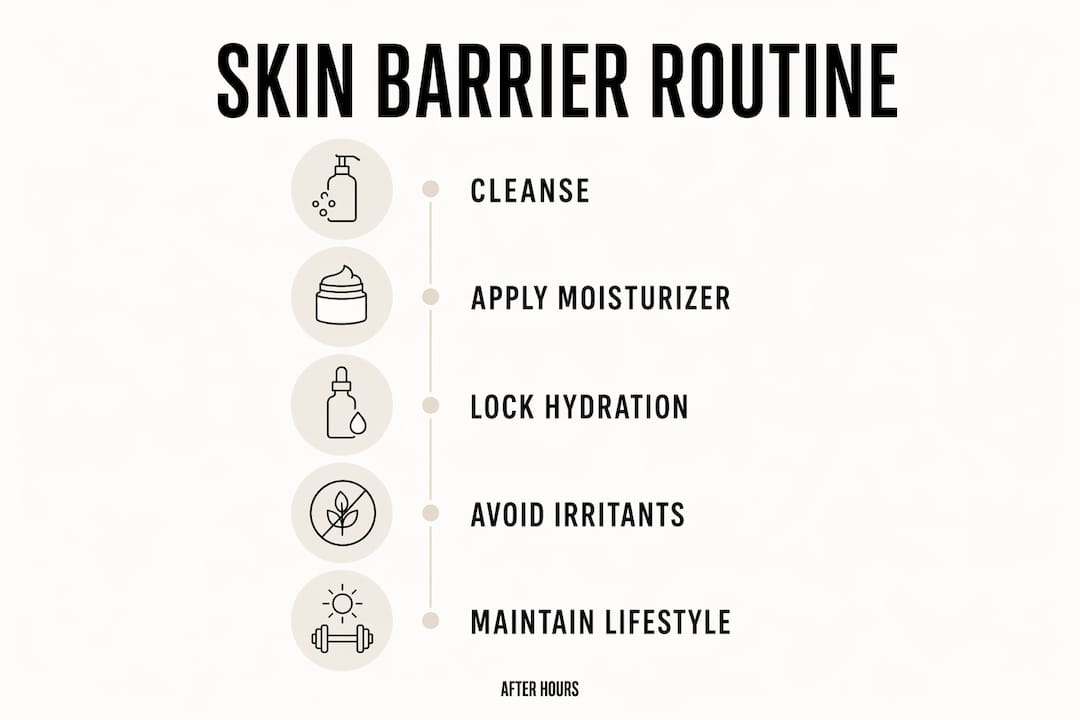
A barrier-strengthening routine does not need to be complicated. It needs to be consistent and gentle. Follow these steps in order, morning and evening.
-
Cleanse gently. Use a low-pH, fragrance-free cleanser. Avoid foaming cleansers with sulphates, which strip the lipid layer. Lukewarm water only. Hot water dissolves the lipid mortar faster than almost any other daily habit.
-
Apply a humectant. While skin is still slightly damp, apply a serum or toner containing glycerin or hyaluronic acid. Damp skin absorbs humectants more effectively than dry skin.
-
Layer an emollient moisturiser. Apply a ceramide-containing moisturiser that also includes cholesterol and fatty acids. Ceramide-rich moisturisers mimic the skin’s natural lipid composition and actively support barrier repair. This step is non-negotiable for sensitive and dry skin types.
-
Seal with an occlusive (evening only). At night, apply a thin layer of petrolatum or a rich body butter over your moisturiser. This locks in everything applied underneath. Do not apply an occlusive directly to bare skin without a moisture layer beneath it.
-
Apply SPF in the morning. UV exposure degrades the lipid matrix and accelerates transepidermal water loss. A broad-spectrum SPF 30 or higher is a barrier-protective step, not just a sun-safety one.
-
Pause strong actives during repair. Retinoids and exfoliating acids accelerate cell turnover, which is useful for healthy skin but counterproductive when the barrier is compromised. Barrier repair requires a reset period focused on gentle lipid replacement. Reintroduce actives slowly, one at a time, once your skin feels stable.
-
Consider advanced formulations. Liquid crystal emulsions replicate the skin’s natural lipid bilayer organisation. Research shows these ultra-micro formulations reduce transepidermal water loss more effectively than traditional creams. They represent a meaningful step forward in barrier-focused skincare.
Pro Tip: Apply your moisturiser within 60 seconds of cleansing. This window is when skin is most receptive to absorbing lipids and humectants.
What lifestyle factors affect the skin moisture barrier?
Topical products do most of the work, but lifestyle factors either support or undermine them. Systemic hydration matters. Increased water intake correlates with improved skin softness and smoothness. That does not mean drinking water replaces a good moisturiser. It means dehydration makes barrier repair harder.
Environmental conditions play a significant role. Low humidity pulls moisture out of the skin faster than the barrier can replace it. Central heating in winter is a common culprit. A humidifier in your bedroom or office adds moisture back to the air and reduces the burden on your skin.
Sleep and stress are two underestimated factors. Stress and poor sleep disrupt the skin’s hydration balance and increase sensitivity. During deep sleep, the body repairs skin cells and replenishes lipids. Cutting sleep short interrupts that process.
- Hot showers: strip the lipid layer; keep showers under five minutes with lukewarm water
- Harsh soaps: alkaline pH disrupts the skin’s acid mantle; switch to pH-balanced cleansers
- Low humidity: accelerates water loss; use a humidifier in dry environments
- Poor sleep: reduces overnight barrier repair; aim for seven to nine hours
- Chronic stress: elevates cortisol, which degrades barrier function over time
- Rough fabrics: wool and synthetic fibres irritate sensitive skin; silk or cotton pillowcases reduce friction
- Over-exfoliation: removes the lipid layer faster than it regenerates; limit exfoliation to once or twice a week at most
Common mistakes that slow down barrier repair
Most barrier repair failures come down to impatience and overcomplication. The most frequent mistake is continuing to use exfoliating acids or retinoids while trying to repair a damaged barrier. These actives work by disrupting the surface of the skin. That is useful when the barrier is healthy. When it is compromised, it delays recovery.
A second common error is applying an occlusive directly to dry skin. Petrolatum and thick body butters seal whatever is already on the skin’s surface. If that surface is dry, you are sealing in dryness. Always apply a humectant and an emollient first.
Changing your routine every few days because you are not seeing instant results is one of the most reliable ways to keep your barrier in a permanent state of irritation. Barrier repair takes weeks, not days. Consistency with a simple, lipid-focused routine outperforms any complex multi-step system.
Overloading the skin with too many active ingredients simultaneously is another barrier-breaking habit. Vitamin C, retinol, AHAs, and BHAs each alter the skin’s surface in different ways. Using them together without a stable barrier causes cumulative irritation. Introduce one active at a time, and only after your barrier has stabilised.
Ignoring internal hydration and lifestyle factors while focusing only on topical products also limits results. Excessive exfoliation and overuse of actives damage the barrier and delay repair significantly. True recovery requires a reset period with bland, lipid-focused care. No shortcut replaces that.
Key takeaways
The most effective way to strengthen the skin moisture barrier is to restore the ceramide, cholesterol, and fatty acid ratio topically, support it with humectants and occlusives, and remove lifestyle habits that degrade it daily.
| Point | Details |
|---|---|
| Lipid ratio is foundational | Use moisturisers containing ceramides, cholesterol, and fatty acids together for genuine barrier repair. |
| Layer in the right order | Apply humectants first, then emollients, then occlusives to seal hydration effectively. |
| Pause actives during repair | Remove retinoids and exfoliating acids from your routine until the barrier has stabilised. |
| Lifestyle factors compound results | Adequate sleep, reduced stress, and a humidifier meaningfully support topical barrier care. |
| Consistency beats complexity | A simple, gentle routine applied daily outperforms a complex routine applied inconsistently. |
What I have learnt from years of watching people repair their skin barriers
The single biggest misconception I see is that stronger actives produce faster results. People with damaged, reactive skin reach for higher-strength retinoids or more frequent acid exfoliation because they want visible change quickly. That approach reliably makes things worse. A compromised barrier cannot tolerate the same inputs as a healthy one.
What actually works is a period of deliberate simplicity. Strip the routine back to a gentle cleanser, a ceramide-rich moisturiser, and an occlusive at night. Hold that for four to six weeks. Most people see a meaningful shift in sensitivity and texture within that window. Only then does it make sense to reintroduce actives, one at a time.
I have also become increasingly interested in biomimetic lamellar formulations. The research on liquid crystal emulsions is genuinely compelling. These formulations replicate the organised lipid structure of healthy skin rather than just sitting on top of it. That distinction matters for people with chronically compromised barriers. A triple-action approach combining lamellar structures, humectants, and emollients consistently outperforms single-mechanism products in the literature.
The other thing I would emphasise is that barrier care is not purely topical. Sleep, stress management, and hydration are not optional extras. They are part of the system. Treating the skin in isolation while ignoring everything else produces limited, frustrating results.
— Darnell
Afterhoursbodybutter body butters for daily barrier support
If you are ready to put these principles into practice, Afterhoursbodybutter makes it straightforward. Their vegan, chemical-free body butters are formulated with natural lipid-rich ingredients that nourish and hydrate without irritating sensitive or acne-prone skin.
The Blueprint Aura Body Butter is a strong starting point for barrier repair. It delivers deep hydration with a formula suited to sensitive skin that needs consistent lipid support. For dry skin needing richer coverage, the Men’s Cocoa Body Butter provides the kind of barrier-replenishing moisture that works well as an evening occlusive layer. Browse the full body butter range to find the right match for your skin type and routine.
FAQ
What is the skin moisture barrier?
The skin moisture barrier is the outermost layer of the epidermis, composed of corneocytes held together by a lipid matrix of ceramides, cholesterol, and fatty acids. It prevents water loss and blocks environmental irritants.
How long does it take to repair a damaged skin barrier?
Barrier repair typically takes four to six weeks of consistent, gentle care. Removing actives and focusing on lipid-rich moisturisers speeds up the process.
What ingredients strengthen the skin barrier most effectively?
Ceramides, cholesterol, and fatty acids are the most effective barrier-strengthening ingredients. Humectants like glycerin and hyaluronic acid support hydration alongside them.
Can drinking more water improve skin hydration?
Yes. Increased water intake correlates with improved skin softness and smoothness, though it works best alongside a good topical moisturising routine.
Should I stop using retinol if my barrier is damaged?
Yes. Retinoids and exfoliating acids slow barrier repair by disrupting the skin surface. Pause them until your barrier has stabilised, then reintroduce them gradually.