

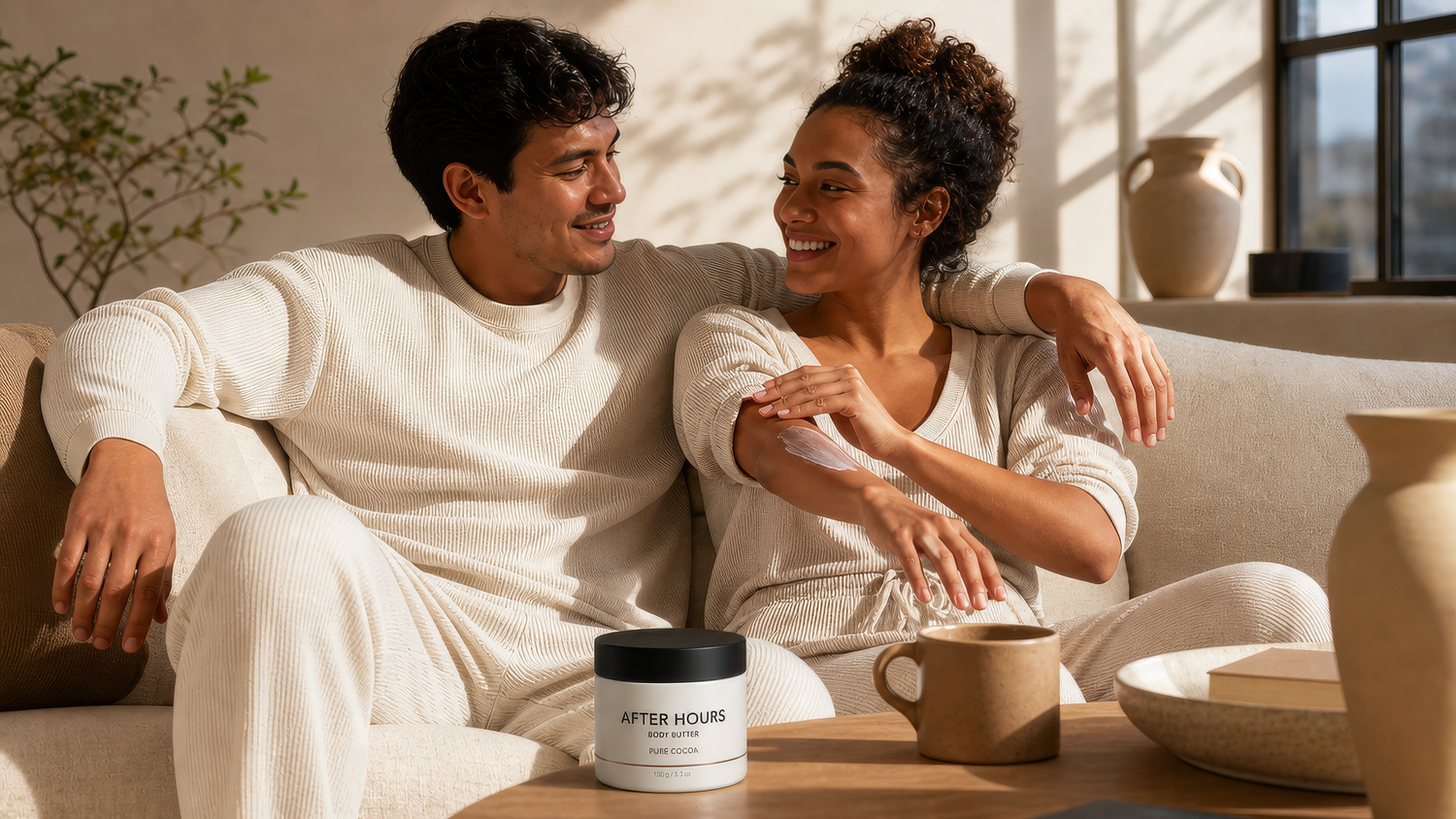

High-end body care textures are defined by their formulation science, sensory finish, and the specific skin benefits they deliver. The types of high-end body care textures available today span whipped butters, body creams, lotions, oils, and gel-creams, each engineered to perform differently on skin. Choosing the right one shapes how well your skin absorbs moisture, how a product feels during application, and whether you actually use it every day. Afterhoursbodybutter builds its entire range around this principle: that texture is not cosmetic detail but functional design. Understanding the differences between luxurious body care textures helps you build a routine that works for your skin type, climate, and lifestyle.
1. What are the types of high-end body care textures?
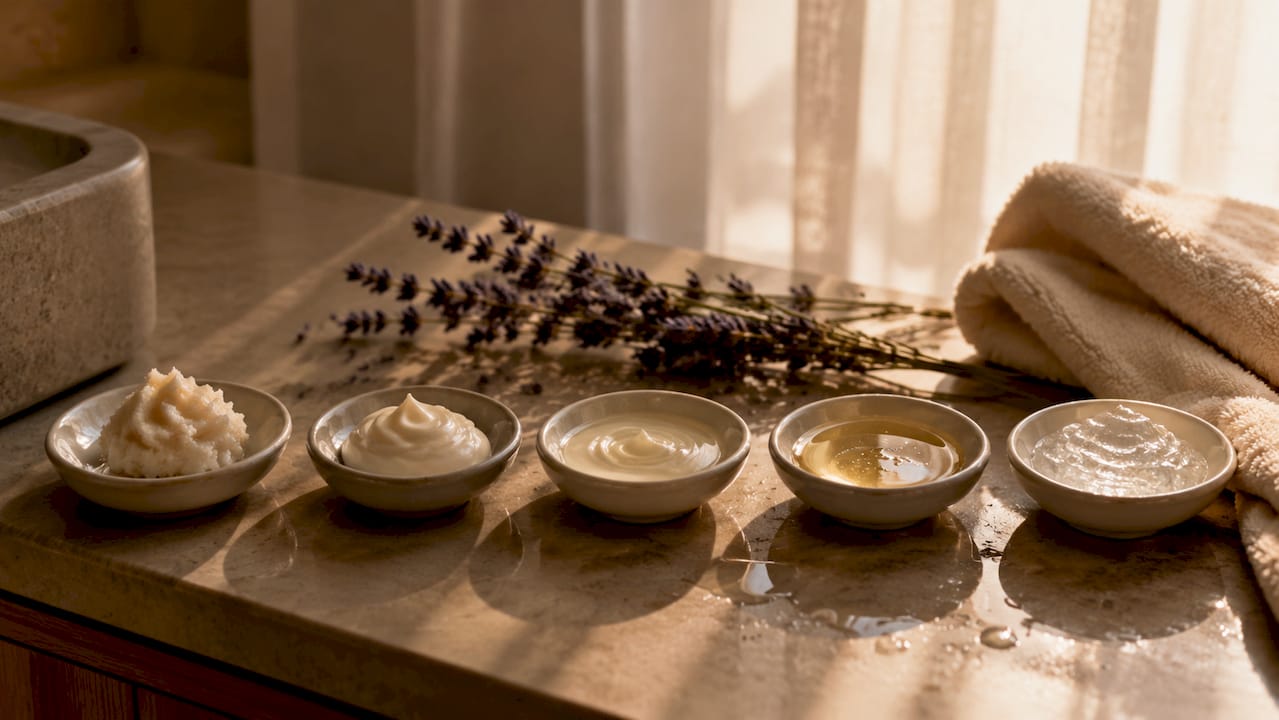
Premium body care textures fall into five main categories: whipped butters, creams, lotions, body oils, and gel-creams. Each category represents a distinct formulation approach, not just a different consistency. The category you choose determines absorption speed, hydration depth, and the sensory experience you get every time you apply. Knowing these categories gives you a clear framework for making better choices.
2. What makes whipped body butter a premium texture choice?
Whipped body butter is the industry-standard texture in premium retail body care, valued for its visual volume and modern sensory experience. The whipping process incorporates air into the butter during cooling, which fundamentally changes its tactile properties. The result is a fluffier, lighter product that melts on contact with skin rather than sitting on top of it.
This texture delivers several advantages over traditional unwhipped formats:
- Easier to scoop. The airy consistency means you need less product per application.
- Faster melt. Body heat activates the butter quickly, reducing the need to rub hard.
- Lighter feel. Air incorporation reduces the heavy, waxy sensation common in block butters.
- Higher perceived value. Whipped butters retail at £18 or higher, reflecting both formulation effort and consumer expectation.
The trade-off is stability. Whipped textures are more fragile during shipping, particularly in warm climates where heat can collapse the air structure. Proper application timing also matters. Applying on slightly damp skin enhances absorption and moisture retention significantly.
Pro Tip: Apply whipped body butter within two minutes of stepping out of the shower, while skin is still slightly damp. The residual moisture acts as a carrier, pulling the butter deeper into the skin rather than leaving it sitting on the surface.
Afterhoursbodybutter’s Midnight Static body butter is a strong example of this texture done well, with a whipped finish that melts cleanly without greasiness.
3. Body creams and lotions: luxurious hydration with varying richness
Body creams and lotions differ primarily in their emulsifier types and water content. Creams are richer; lotions are lighter and absorb faster. Both are oil-in-water or water-in-oil emulsions, but the ratio of those components determines everything about how they feel and perform.
| Format | Water content | Weight | Best for |
|---|---|---|---|
| Body cream | Moderate | Medium-rich | Dry to normal skin |
| Body lotion | High | Light | Normal to oily skin |
| Rich body cream | Low | Heavy | Very dry or compromised skin |
Creams suit people with dry skin who need sustained hydration throughout the day. Lotions work well for daily use in warmer months or for those who dislike any residue. The sensory difference is immediate: creams feel substantial on application, while lotions absorb within seconds.
Premium formulations now go further than basic moisture. Consumers increasingly seek clinical-grade actives like ceramides and peptides in body creams, mirroring what facial skincare has done for years. Ceramides repair the skin barrier; peptides support collagen production. These additions shift body creams from simple moisturisers into targeted treatment products.
Pro Tip: If you have combination skin, use a lotion on your torso and a richer cream on elbows, knees, and shins. These areas lose moisture faster and benefit from a heavier formulation.
4. The appeal of body oils and gel-creams in luxury routines
Body oils represent one of the most sensory-forward formats in premium skincare. Premium oils use blends of lightweight esters and plant-derived emollients to avoid greasy residue. They absorb faster and layer better than budget alternatives, which tend to sit on the skin’s surface rather than penetrating it.
Gel-creams and whipped milks occupy a different space. They deliver hydration without weight, making them popular with people who find butters or oils too rich. Key benefits of these formats include:
- Fast absorption. Gel-creams sink in within 30–60 seconds on most skin types.
- Non-greasy finish. Suitable for use before getting dressed without transfer.
- Travel-friendly. Many gel formats comply with airline liquid restrictions.
- Multi-sensorial feel. The cooling, bouncy texture on application adds a tactile dimension that standard creams cannot replicate.
Searches for scented body oils and whipped milks rose significantly in 2025, reflecting genuine consumer interest in texture formats beyond the traditional butter or cream. Younger luxury shoppers in particular favour these formats for their convenience and the ritual quality they bring to a daily routine.
Pro Tip: Layer a dry body oil over your regular moisturiser on very dry days. Apply the moisturiser first, wait 60 seconds, then press a few drops of oil over the top. This seals in the hydration rather than replacing it.
Afterhoursbodybutter’s Marine Voltage body butter offers a texture that bridges the richness of a butter with a finish that does not feel heavy, making it a practical option for those transitioning from oils.
5. How scent and formulation elevate the luxury texture experience
Scent architecture is a defining feature of high-end skincare formulations. Luxury formulations avoid simple, strong fragrances in favour of complex, layered scent experiences designed to complement rather than compete with personal perfume.
“Sophisticated scent layering in luxury body care uses custom fragrance accords and often features fragrance-free or subtly scented formulations aimed at consumer perfume layering, enhancing longevity and personalisation of scent.”
This approach changes how you experience a product over time. A well-constructed scent base evolves on skin, with top notes fading to reveal warmer base notes over several hours. Fragrance-free versions serve those who layer their own perfume on top, keeping the skin’s scent profile clean and personal.
Formulation science also shapes tactile experience beyond scent. Lightweight esters and plant-derived emollients eliminate the waxy residue that cheaper products leave behind. Microspheres and silicone alternatives create a soft-focus effect on skin, visually smoothing texture while improving the feel on application. These are not marketing claims. They are measurable formulation choices that separate premium products from mass-market alternatives.
Choosing between fragrance-forward and fragrance-free textures depends on your existing routine. If you wear a signature perfume daily, a fragrance-free or lightly scented body product avoids conflict. If body care is your primary scent source, a fragrance-forward formulation like Afterhoursbodybutter’s Black Summit body butter delivers a complete olfactory experience on its own.
6. Which high-end body care textures suit your skin type?
Matching texture to skin type is the most practical step in building an effective body care routine. The wrong texture does not just feel uncomfortable. It can underperform, leaving skin either stripped or congested.
- Dry skin. Whipped butters and rich creams are the best match. They deliver sustained occlusion, meaning they slow water loss from the skin’s surface over several hours.
- Normal skin. Medium-weight creams and body lotions work well year-round. Swap to a butter in winter when central heating reduces ambient humidity.
- Combination skin. Use a lightweight lotion on areas prone to congestion and a richer cream on persistently dry patches like shins and elbows.
- Oily skin. Gel-creams and fast-absorbing body oils provide hydration without adding shine or blocking pores.
- Sensitive skin. Fragrance-free creams or butters with minimal ingredients reduce the risk of irritation. Afterhoursbodybutter’s vegan, chemical-free formulations are designed with this in mind.
- Skin conditions. For eczema-prone or barrier-compromised skin, ceramide-enriched creams or plain body oils offer the most targeted support.
Seasonal adjustment matters as much as skin type. Lighter gels and lotions suit summer, when heat increases skin’s natural moisture. Richer butters and oils suit winter, when cold air and indoor heating accelerate moisture loss. The rise of multi-sensorial body care routines has also made ritual a factor: many people now choose textures partly for the experience of applying them, not just the result.
Pro Tip: Apply any body moisturiser within three minutes of bathing for maximum absorption. Skin is most permeable immediately after washing, and this window closes quickly as the surface dries.
Key takeaways
The most effective approach to high-end body care textures is to match formulation type to your skin’s specific needs, climate, and daily routine rather than choosing by price or packaging alone.
| Point | Details |
|---|---|
| Whipped butter is the premium standard | Air incorporation creates a lighter, faster-melting texture that justifies higher price points. |
| Creams and lotions differ by water content | Creams suit dry skin; lotions suit normal to oily skin and warmer climates. |
| Oils and gel-creams serve younger routines | Fast absorption and travel-friendly formats drive their growing popularity in luxury care. |
| Scent architecture adds functional value | Complex fragrance layering extends scent life and allows personalisation with perfume. |
| Skin type determines the right texture | Matching formulation to skin condition and season produces the best hydration results. |
Texture matters more than most people realise
I have spent years paying close attention to how body care products actually perform, not just how they are marketed. The single most underrated factor in whether someone sticks to a body care routine is texture. Not scent, not price, not packaging. Texture.
If a product feels greasy, heavy, or slow to absorb, most people stop using it within two weeks regardless of how effective it is. The luxury market has understood this for some time, which is why formulation investment has shifted towards eliminating residue and improving melt-on-skin feel. The elimination of greasy residue and the improvement of melt-on-skin feel are now the primary drivers of brand loyalty in premium body care.
What I find genuinely interesting is the move towards clinical-grade actives in body products. Ceramides and peptides were facial skincare ingredients five years ago. Now they appear in body creams at premium price points, and the results are measurable. This is not trend-chasing. It reflects a real shift in how people think about their skin from the neck down.
My practical advice: start with one texture that fits your dominant skin concern, use it consistently for four weeks, and then layer in a second format for specific areas or seasons. Combining a lightweight lotion for daily use with a whipped butter for evening application gives you flexibility without complexity.
— Darnell
Afterhoursbodybutter: premium body butters worth trying
Afterhoursbodybutter makes vegan, cruelty-free body butters formulated with natural ingredients and fat-soluble vitamins. Each product is designed to address specific skin concerns, from dryness to acne-prone skin, without synthetic chemicals.
The range covers multiple scent profiles and textures, so you can find a formulation that fits your skin type and routine. The Shadowed Timber body butter suits those who prefer warm, grounding scent notes, while the Blueprint Aura body butter offers a cleaner, fresher profile. For dry skin specifically, the Men’s Cocoa body butter delivers deep moisture with a rich but non-greasy finish. Browse the full Afterhoursbodybutter collection to find the texture and scent that suits you.
FAQ
What is the difference between body butter and body cream?
Body butter is an anhydrous or whipped formulation with a higher oil and fat content than body cream. Body creams contain water and emulsifiers, making them lighter and faster-absorbing than butters.
Which body texture is best for very dry skin?
Whipped body butter or a rich ceramide-enriched cream provides the best results for very dry skin. These formats deliver sustained occlusion, slowing moisture loss over several hours after application.
Are body oils suitable for daily use?
Premium body oils formulated with lightweight esters absorb quickly and leave no greasy residue, making them suitable for daily use. They layer well over moisturisers or work effectively on their own on damp skin.
What does “fragrance-free” mean in luxury body care?
Fragrance-free formulations contain no added scent compounds, making them suitable for sensitive skin or for layering with a personal perfume. Luxury brands often offer fragrance-free versions of their core textures for this reason.
How do I choose between a lotion and a gel-cream?
Lotions suit normal to dry skin and absorb within seconds. Gel-creams suit oily or combination skin and deliver a cooling, bouncy texture that feels lighter than a standard lotion on application.