

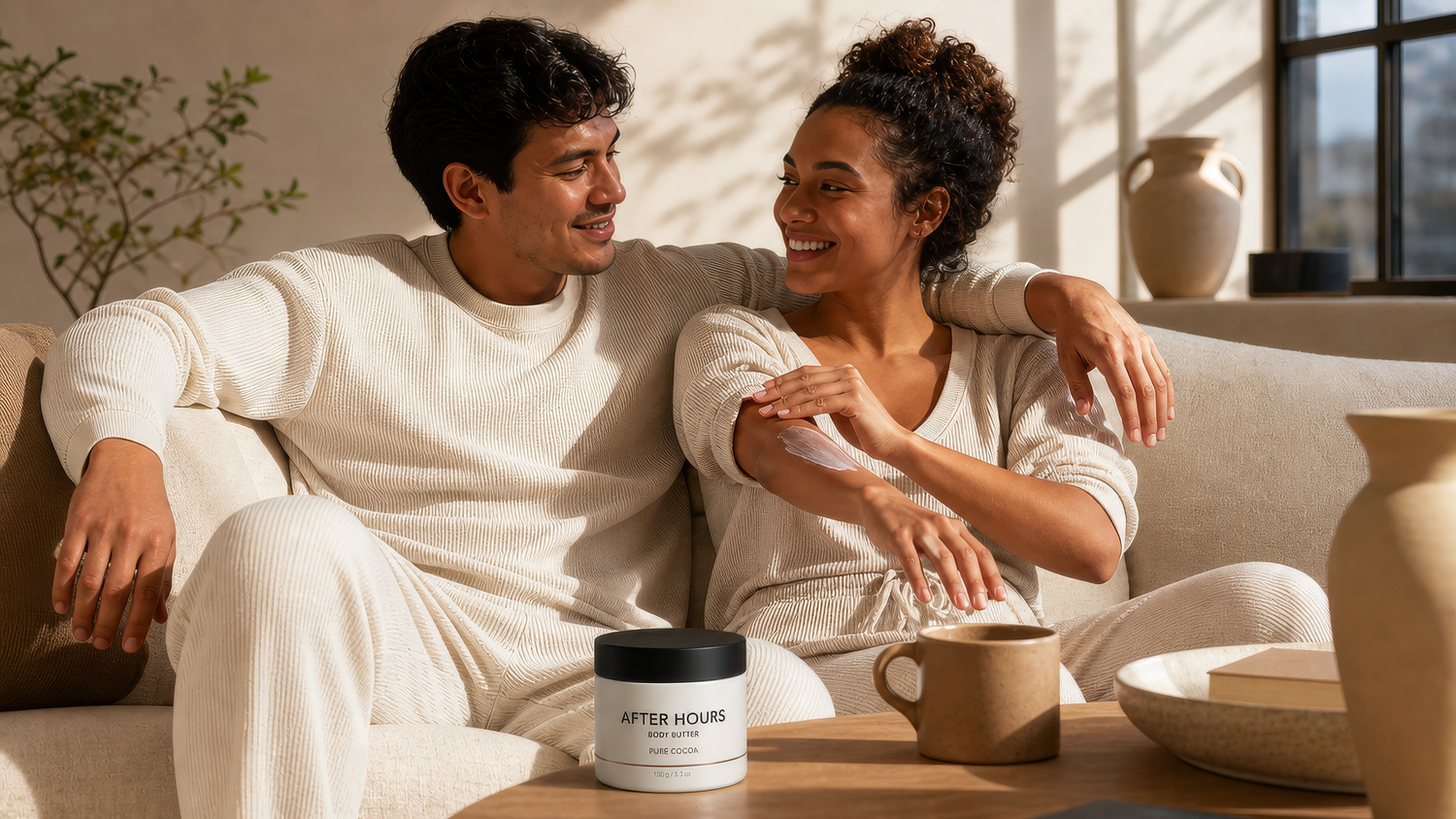

Apply a thick, fragrance-free occlusive moisturiser to damp skin straight after a lukewarm shower. That single habit does more to stop winter moisture loss than any other change you can make today.
Start here:
- Keep showers short and lukewarm, not hot.
- Pat skin almost dry, then moisturise within a few minutes.
- Run a humidifier in the room you spend the most time in to help maintain a comfortable humidity level.
- Protect hands with barrier cream and gloves before cold or wet tasks.
Pro Tip: Moisturiser locks in water rather than adding it, so applying it to bone dry skin wastes most of its effect. Damp skin, straight after washing, is when it works hardest.
If skin cracks, bleeds, or looks infected, see a clinician rather than waiting this out.
Key Takeaways
Winter dry skin relief depends on sealing moisture into damp skin with an occlusive product while limiting the hot water and harsh cleansing that strip the barrier in the first place.
| Point | Details |
|---|---|
| Apply to damp skin | Moisturiser seals in water best within minutes of washing, not on fully dry skin. |
| Keep showers short and cool | Five to ten minutes, lukewarm water, protects the skin’s natural oils. |
| Choose occlusive-rich formulas | Ointments and body butters outperform thin lotions for lasting moisture. |
| Protect hands separately | Barrier cream after every wash plus gloves for wet or cold tasks. |
| Give it one to two weeks | A consistent routine typically shows visible change within seven to fourteen days. |
| Try After Hours Body Butter | A vegan, fragrance-free option formulated as a rich overnight occlusive for sensitive skin. |
Table of Contents
- Why winter dry skin relief matters more when the air changes
- How do you know if it’s just dry skin or something more?
- What should a winter skin routine actually include?
- Which ingredients actually fix winter dryness?
- Do humidifiers and lifestyle changes really help?
- What makes winter dry skin worse?
- Can a short protocol speed up recovery?
- Why habits beat miracle products
- Fit a body butter into your winter routine
- Where to read more on winter skin health
- Frequently asked questions
- Sources
Why winter dry skin relief matters more when the air changes
Cold outdoor air holds very little moisture, and indoor heating strips out what’s left, so the air around you in winter is often drier than a desert. Your skin loses water to that air constantly, a process called transepidermal water loss, and when outdoor and indoor humidity both drop, your skin can’t replace what it loses fast enough.
The skin barrier is held together by a mix of lipids, cholesterol, and fatty acids that dermatologists sometimes describe as mortar between bricks. Hot water and harsh cleansers dissolve that mortar, which is why a long, steaming shower feels good in the moment but leaves skin tighter an hour later. Dermatologists recommend limiting shower length and using lukewarm water, specifically because hot water accelerates oil loss from the skin’s surface.

How do you know if it’s just dry skin or something more?
Ordinary winter dryness feels tight after washing, looks flaky on the shins or forearms, and improves within a few days of consistent moisturising. It’s uncomfortable, not alarming.
Watch for signs that go beyond this:
- Cracks in the skin that bleed, especially on hands or heels.
- Redness that spreads or feels warm to the touch.
- Pus, crusting, or a wound that isn’t healing.
- Itching severe enough to disturb sleep, lasting more than two weeks.
Give a proper routine seven to ten days before expecting real change. If nothing improves, or if any red flag appears sooner, book a GP or dermatology appointment.
Persistent, severe itching without an obvious cause can point to eczema, psoriasis, or even an underlying thyroid problem. Winter weather often unmasks these conditions rather than causing them outright, so dryness that doesn’t respond to standard care is worth a proper look.
What should a winter skin routine actually include?
A good routine doesn’t need to be complicated. It needs to be repeated.
Morning:
- Cleanse gently with a fragrance-free, non-foaming wash, or skip it if skin feels tight.
- Apply any treatment products first (if you use them).
- Layer on a fragrance-free moisturiser while skin is still slightly damp.
- Finish with sunscreen. Winter sun and snow glare still damage skin.
Evening:
- Cleanse only if needed. Over-washing in winter does more harm than good.
- Apply a richer moisturiser or body butter to damp skin, straight after washing.
- Treat lips with a plain, occlusive balm rather than a flavoured or minty one.
Hands deserve their own attention because they’re washed more often than anywhere else on the body and have fewer oil glands to begin with. Dermatologists advise moisturising hands after every wash, wearing gloves for washing up and for cold outdoor exposure, and keeping a small hand cream in your bag or by the sink so reapplying isn’t a chore.
Two timing rules make the biggest difference. First, moisturise within a few minutes of washing, while skin is damp, since applying a rich product to damp skin creates a far better seal than applying it to dry skin. Second, avoid long baths and hot showers even when they’re tempting on a cold evening. Reach for creams and ointments over thin lotions once temperatures drop; texture matters more in January than in July.
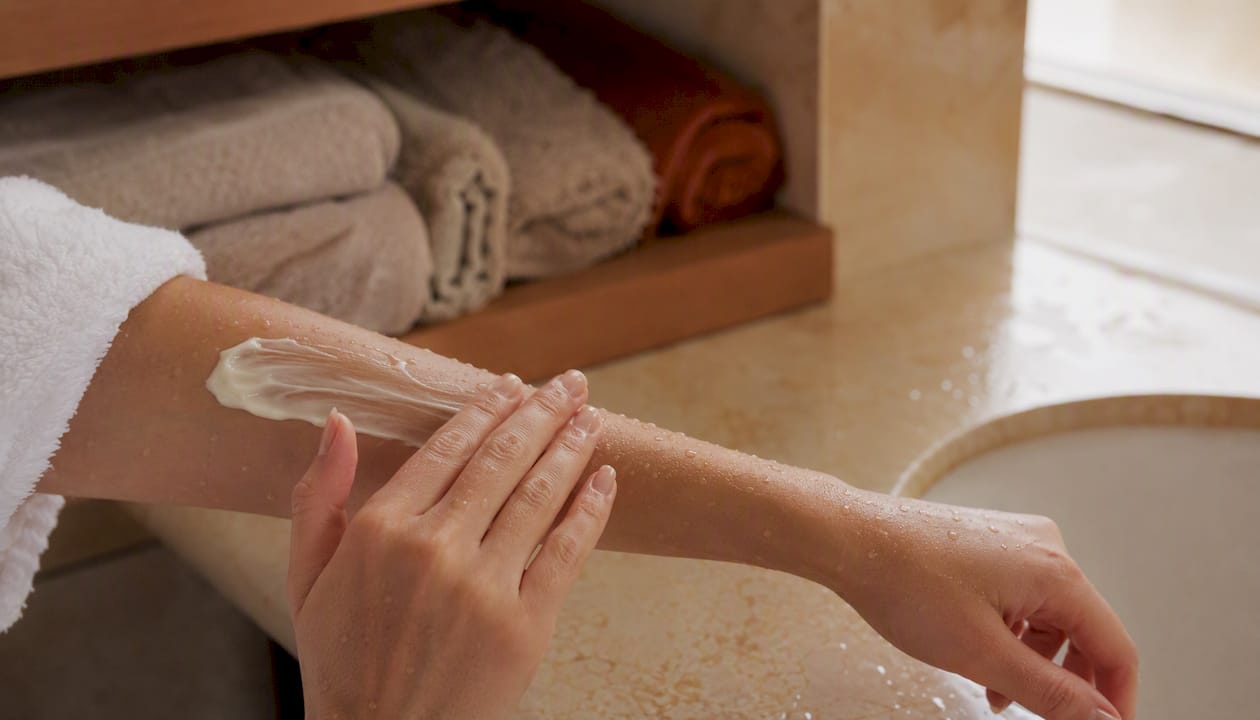
Pro Tip: If you only have three minutes for skincare, spend them on damp skin with a good body butter rather than on an extra step applied to dry skin later.
Which ingredients actually fix winter dryness?
Not all moisturisers work the same way, and understanding the three main categories helps you choose the right one rather than guessing.
| Ingredient class | Examples | What it does |
|---|---|---|
| Humectant | Glycerin, hyaluronic acid | Draws water into the outer skin layer |
| Emollient | Fatty acids, cetearyl alcohol, ceramides | Smooths rough patches and softens the barrier |
| Occlusive | Petrolatum, shea butter, mineral oil | Seals moisture in and blocks water loss |
Humectants pull moisture in, emollients smooth the surface between skin cells, and occlusives trap it all underneath a physical seal. Ointments and creams built around occlusive ingredients like petrolatum and shea butter hold moisture far longer than thin, water-based lotions, which tend to evaporate quickly in dry winter air.
For most sensitive skin, a body butter that combines all three, humectant, emollient and occlusive, is the simplest choice. Save lighter creams for daytime under clothing, and reserve the richest occlusive layer for overnight or after a shower.
Fragrance is the most common trigger of irritation in winter skincare, even in products marketed as “natural.” If a product stings, tingles, or smells strongly, that’s a signal to stop, not push through.
Be cautious with exfoliating acids like lactic acid or urea during winter. They can help soften very rough, thickened skin, but overuse strips the same oils you’re trying to protect, so introduce them slowly and only where skin can tolerate them.
Do humidifiers and lifestyle changes really help?
Yes, and they cost far less effort than most people assume. Running a humidifier to keep indoor humidity between roughly 30% and 60% helps replenish the skin’s moisture layer and noticeably reduces overnight itching.
A few small changes compound quickly:
- Choose cotton or silk against the skin rather than wool, which can irritate.
- Switch to a fragrance-free laundry detergent if skin reacts to clothing.
- Wear rubber gloves for dishwashing rather than exposing hands to hot water and soap.
- Clean your humidifier weekly. A damp tank breeds mould fast.
A basic humidifier costs relatively little and pays for itself in comfort within a week or two; higher-end models add app control and larger tanks but the humidity benefit is much the same.
What makes winter dry skin worse?
A handful of habits undo all the good work of a solid routine.
- Hot showers: they feel soothing but strip the exact oils your barrier needs.
- Over-exfoliating: scrubbing too often or using strong acids too frequently removes protective oils and leaves skin more reactive.
- Fragranced products: added scent is a leading cause of winter skin irritation.
- Alcohol-based cleansers and fabric softeners: both can dry or sensitise skin further, especially on already compromised barriers.
Can a short protocol speed up recovery?
A focused seven to fourteen day plan tends to work better than scattered, inconsistent effort. A short, consistent stretch of reduced cleansing paired with scheduled occlusive moisturiser use commonly produces a clear, visible improvement, and it’s far easier to stick to than a routine that changes daily.
- Days 1 to 3: Cut cleansing to once daily. Apply a rich body butter to damp skin morning and night.
- Days 4 to 7: Add an overnight occlusive layer on the driest patches, hands and heels especially. Keep hand cream within reach all day.
- Days 8 to 14: If rough, thickened patches remain, introduce a urea or lactic acid product two to three times a week, ideally on a clinician’s advice for sensitive skin.
Visible improvement usually starts within a week if the routine is followed consistently. If skin looks the same or worse by day fourteen, that’s the point to see a dermatologist rather than switching products again.
Why habits beat miracle products
The biggest shift I’ve seen in how people think about winter skin is realising it’s not about finding the one perfect product. It’s about repeating a few basic steps daily until the barrier rebuilds itself. Sensitive skin punishes inconsistency more than it punishes an imperfect product choice.
If you’re dealing with reactive skin, change one variable at a time. Introduce a new moisturiser or a new active ingredient on its own, not alongside three other changes, so you actually know what’s helping.
Fit a body butter into your winter routine
Afterhoursbodybutter gives sensitive skin the occlusive richness that thin, water-based lotions can’t hold onto through a dry winter. Every formula is vegan, made without synthetic fragrance, and built around fat-soluble nutrients that support the same barrier repair covered throughout this guide.

Use it the way dermatologists recommend applying any rich moisturiser: massage it into damp skin straight after a shower, and layer it again before bed as an overnight occlusive on hands, elbows, and shins. For a deeper look at how occlusion supports the skin barrier, read this practical guide to strengthening your moisture barrier. If your dryness is severe, cracked, or shows signs of infection, see a clinician before relying on any over-the-counter product. Ready to try it in your own routine? Shop After Hours Body Butter and start with your next shower.
Where to read more on winter skin health
- Columbia University Irving Medical Center: shower length and temperature guidance from dermatologists.
- American Academy of Dermatology: practical hand care and product selection tips.
- Mayo Clinic: clinical guidance on diagnosing and treating persistent dry skin.
Frequently asked questions
What is the fastest way to get winter dry skin relief? Apply a thick, fragrance-free occlusive moisturiser or body butter to damp skin immediately after a lukewarm shower, and repeat morning and night.
How long does it take for winter dry skin to heal? Most people see visible improvement within seven to fourteen days of consistent care. If nothing changes by then, see a clinician.
Are natural remedies for dry skin as effective as clinical treatments? Ingredients like shea butter and plant oils act as genuine occlusives and emollients, so a well-formulated natural body butter can perform as well as many clinical moisturisers for everyday winter dryness.
Do I need a humidifier if I already moisturise? A humidifier isn’t essential but it reduces how much water your skin loses in the first place, which means your moisturiser has less work to do.
When should I see a doctor about dry skin in winter? See a clinician if skin cracks and bleeds, redness spreads, you notice pus or crusting, or itching disrupts sleep for more than two weeks despite a consistent routine.
This article is general information, not a substitute for advice from a qualified doctor. Consult a qualified healthcare professional about your own circumstances before acting on anything here.
Sources
- Dermatologists’ guide to healthy winter skin — Columbia University Irving Medical Center
- Hyaluronic acid for skin: benefits, how to use it and side effects — Harvard Health
- Dry skin: Diagnosis and treatment — Mayo Clinic
- Dermatologists’ top tips for relieving dry skin — American Academy of Dermatology