

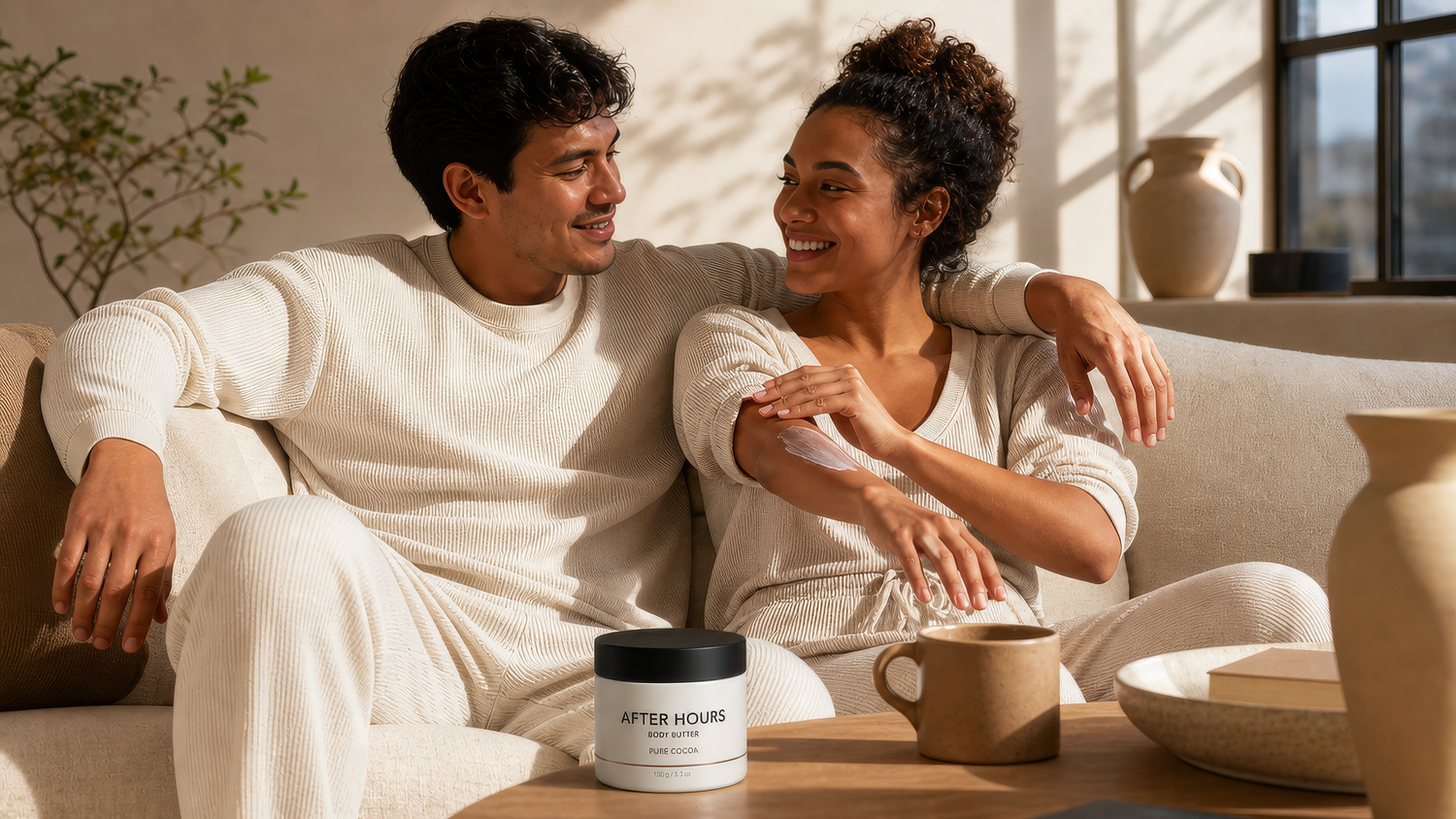

Choose body oil for a lightweight glow and fast daily sealing; choose body butter for deep, longer-lasting repair on very dry or rough skin. Neither one wins outright because they solve different problems. Body oil vs butter isn’t really a rivalry: oil locks in moisture on skin that’s already reasonably hydrated, while butter feeds intensely dry patches with a thicker, richer layer that sits on the skin for hours. The main exception is acne-prone skin, where a heavier butter or the wrong oil can clog pores, and where cold, dry months tend to push most people towards butter regardless of skin type.
- Apply to slightly damp skin, straight after a shower or bath.
- Layering? Butter or lotion goes on first, oil goes on top to seal it in.
- Acne-prone or oily skin: patch test before using either, and lean lighter.
TL;DR:
- Body oils are best for quick moisture sealing on already hydrated skin, especially during humid months, and are easily portable but may stain clothing.
- Body butters work better for very dry or irritated patches, providing a thicker, longer-lasting barrier that suits colder, windy seasons.
- Applying oils and butters on damp skin enhances effectiveness, with layering lotions or butters before sealing with oil being the recommended routine.
- Oils mainly contain occlusive and emollient ingredients, while butters combine occlusive bases with heavy emollients, and neither adds water to the skin.
- Patch testing is essential for sensitive or acne-prone skin, as oils like coconut oil and fragrances can cause irritation or clog pores.
Table of Contents
- Body oil vs body butter: the quick comparison
- What body oils and butters are actually made from
- Body butter for dry skin vs oil for normal skin: who should use which
- How to apply and layer body oil and body butter
- Ingredient safety: what to look for and what to avoid
- Why Afterhoursbodybutter formulates the way it does
- Get the formulation built for sensitive and acne-prone skin
- Key Takeaways
- Sources
Body oil vs body butter: the quick comparison
Body oil is a liquid. It spreads thin, sinks in fast, and leaves a subtle sheen rather than a film. Dermatologists class it as primarily occlusive, meaning it sits on the skin’s surface and slows water loss rather than adding water itself. That makes it ideal for quick maintenance, especially on skin that’s already in decent condition.
Body butter is thicker, sometimes solid at room temperature until it meets body heat. It melts into the skin more slowly and leaves a heavier, more nourishing layer behind.
- Body oil: lightweight, fast-absorbing, minimal residue, best for daily upkeep and a visible glow.
- Body butter: rich, occlusive and emollient, best for very dry, cracked, or rough patches and overnight recovery.
- Absorption speed: oil wins if you’re dressing straight after application; butter takes longer to sink in, which suits a bedtime routine.
- Portability: oil bottles can leak in a gym bag; solid butters travel more predictably.
What body oils and butters are actually made from
Skincare ingredients generally fall into three functional groups: occlusives (which form a barrier and stop water escaping), emollients (which soften and smooth the skin’s surface), and humectants (which draw water into the skin, such as glycerin or hyaluronic acid). Most body oils behave as occlusive emollients. Most body butters combine a strong occlusive base with a heavier emollient load, which is why they feel so much richer on the skin.
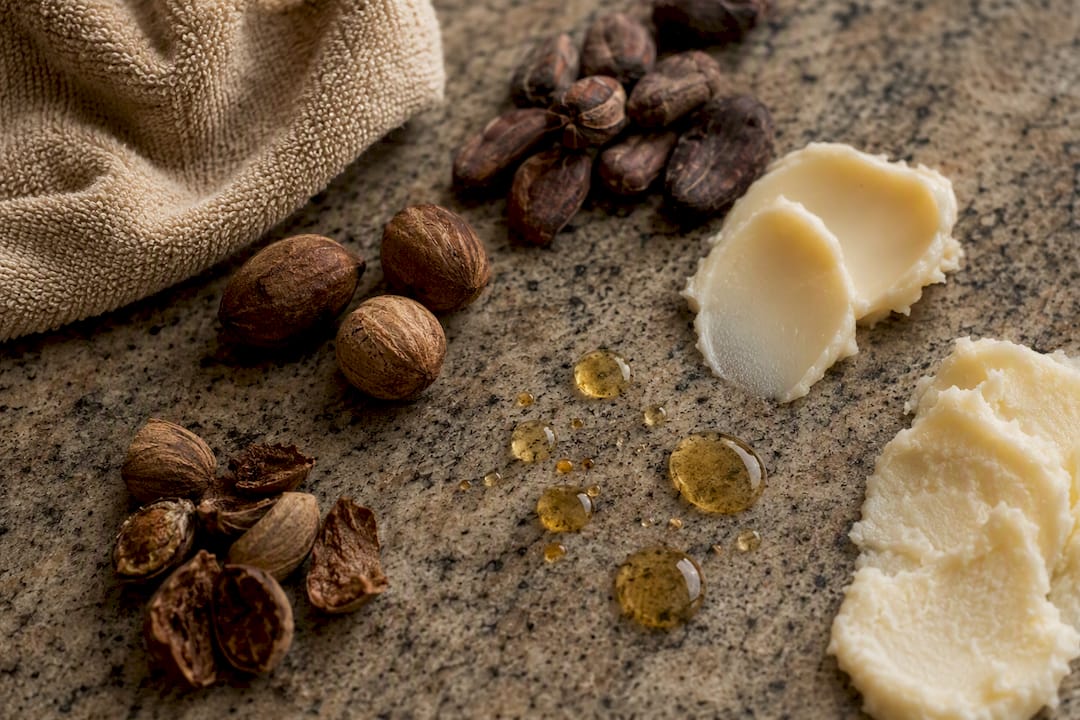
Jojoba oil closely mimics the skin’s own sebum, and argan oil carries vitamin E that supports barrier repair. Shea and cocoa butter, the two most common butter bases, are naturally solid at room temperature and rich in fatty acids that soften rough texture. Mango butter behaves similarly but tends to feel lighter.
One detail worth knowing: neither oils nor butters add water to the skin. They only trap moisture that’s already there, which is why applying either to bone-dry skin gives a disappointing result. Applying to damp skin immediately after bathing is what actually makes them work.
- Oils need moisture already present, so damp skin is non-negotiable.
- Butters form a thicker, longer-lasting seal, useful when skin loses moisture quickly overnight.
- Neither replaces a humectant like glycerin if your skin is dehydrated rather than just dry.
Body butter for dry skin vs oil for normal skin: who should use which
Matching the product to your skin type removes most of the guesswork.
- Normal skin: a light body oil after showering keeps things balanced without over-richening the skin.
- Dry skin: body butter for dry skin is the more reliable option, especially on elbows, knees, and feet, where the skin barrier is naturally thicker and slower to absorb anything.
- Dehydrated skin (often oily but flaky): layer a humectant-based lotion first, then seal with oil. Butter alone can feel heavy without addressing the underlying water loss.
- Oily or acne-prone skin: go lighter. Favour thin, quickly absorbed oils and avoid heavy butters on the chest, back, or shoulders if breakouts are a concern there.
- Eczema-prone skin: butter’s longer-lasting barrier often suits flare-prone patches better than oil, though patch testing matters more here than anywhere else.
- Perimenopausal or ageing skin: if oil production has genuinely slowed, a heavier cream or butter may outperform oil or lotion alone.
Season matters too. Humid summer months usually call for something lighter, oil or a thin lotion, while cold, windy months justify reaching for butter more often, particularly on hands, cuticles, and feet.
How to apply and layer body oil and body butter
Getting the order right matters more than the product itself.
- Pat skin dry with a towel after washing, leaving it slightly damp rather than bone dry.
- If layering, apply body butter or lotion first to hydrate the skin, then follow with oil to seal it in. Dermatologists recommend this order because oil alone cannot add water, only trap what’s already there.
- If using oil on its own, warm a small amount between your palms and massage it into damp skin using firm, circular strokes, this helps prevent it sitting on the surface and staining clothing.
- For acne-prone zones, rub in thoroughly until fully absorbed rather than leaving a visible film, and check our guide to applying body butter for a full routine.
- Avoid heavy oil on active breakouts, and if you’re applying sunscreen afterwards, let your body butter absorb fully first rather than layering sunscreen straight over a wet oil film.
Pro Tip: Use less than you think you need. A coin-sized amount of butter or a few drops of oil per limb is usually enough, over-applying is what leaves clothes marked and skin feeling greasy rather than nourished.
Ingredient safety: what to look for and what to avoid
Not every natural oil suits every skin. Squalane and argan oil are generally considered lower-risk for clogging pores, while coconut oil carries a higher comedogenic rating for some people, particularly those already prone to breakouts.
Worth remembering: comedogenic ratings vary by individual skin chemistry, not just by ingredient, so a patch test on your inner arm for 24 to 48 hours before full-body use is the only reliable way to know how you’ll react, especially with added fragrance or essential oils, which are common irritants for sensitive skin.
- Favour fragrance-free or lightly scented formulas if your skin reacts easily.
- Store natural oils and butters in dark glass or opaque tubs away from direct sunlight and heat.
- Once opened, most natural body oils and butters last around six to twelve months before oxidation affects scent and texture.
- Discard anything that smells noticeably different from when you bought it.
Why Afterhoursbodybutter formulates the way it does
Afterhoursbodybutter builds every butter around vegan, cruelty-free, chemical-free ingredients, with a deliberate focus on fat-soluble vitamins and nutrients that support skin already dealing with acne, dryness, or irritation. That formulation choice matters directly for the skin types covered above.
- Natural butter bases avoid the synthetic fillers found in many lotions, which matters for reactive or sensitive skin.
- Fat-soluble vitamins are chosen specifically to nourish rather than just coat the skin.
- Products are manufactured and packaged sustainably in the UK, reducing unnecessary waste at the production stage.
- Customers with acne-prone or sensitive skin have reported visible improvements in texture and reduced irritation after switching to natural, targeted butters.
For readers comparing ingredient lists more closely, the guide to nourishing butters breaks down why natural butters often outperform standard lotions for specific, targeted skin concerns.
A simple rule for choosing between them
If you can only keep one product on your shelf, pick a butter for winter and an oil for quick daily sealing in warmer months. Beyond that, our application guide walks through the full routine.
— Darnell
Get the formulation built for sensitive and acne-prone skin
Afterhoursbodybutter gives you a natural alternative to lotions loaded with fillers, without the trade-off of irritation that many sensitive-skin readers run into elsewhere. Every butter is formulated with fat-soluble vitamins chosen to nourish acne-prone or dry skin specifically, not just mask it temporarily, and every batch is vegan, cruelty-free, and packaged sustainably in the UK.
If dry patches, breakouts, or irritation have made your current routine feel like guesswork, browse the full body butter range and pick the formulation that matches what your skin actually needs this season.
Key Takeaways
Body oil seals in existing moisture for a light daily glow, while body butter delivers deeper, longer-lasting repair for very dry or acne-safe skin when the right ingredients are chosen.
| Point | Details |
|---|---|
| Apply to damp skin | Oils and butters trap existing moisture; applying to dry skin reduces their effect. |
| Layer lotion or butter first | Dermatologists recommend hydrating first, then sealing with oil on top. |
| Match product to skin type | Dry and eczema-prone skin favour butter; oily and acne-prone skin favour lighter oils. |
| Patch test new ingredients | Coconut oil and added fragrance carry higher irritation risk for sensitive or acne-prone skin. |
| Choose formulation with intent | Afterhoursbodybutter uses vegan, fat-soluble vitamin formulas built for sensitive and acne-prone skin. |
Sources
- Body Oil vs Body Butter: Which Is Better for Moisturizing Skin? – Byrdie
- Body lotion vs body oil: which is best for your skin? – Who What Wear
- Body oil vs lotion: what’s the difference? – Healthline
- Body butter versus body oil: everything you need to know – Bawdy Beauty