

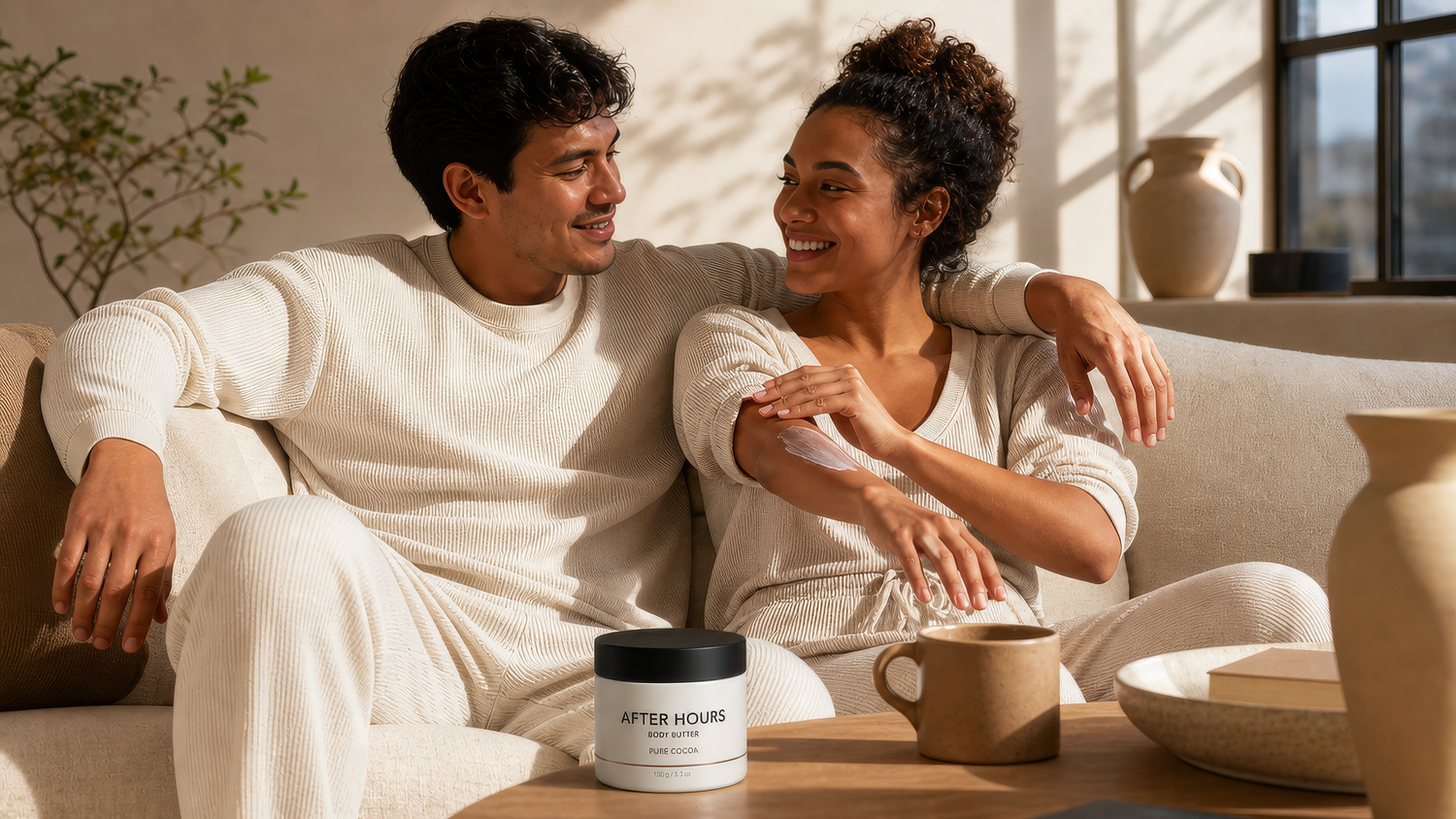

Shea butter is generally low on the comedogenic scale, most often cited around 0 to 2 out of 5, so it is unlikely to clog pores for most people. The caveat matters more than the number: concentration, formulation, and your own skin type decide the outcome. Oily or acne-prone skin runs a higher risk, especially with pure, unblended butter on the face. Patch test first, and choose lighter formulations for facial use.
TL;DR:
- Shea butter’s low comedogenic rating (0 to 2) means it rarely clogs pores when used in small, diluted amounts on the face, but formulation and skin type matter.
- Its high oleic acid content can trigger breakouts in oily or acne-prone skin, especially when applied thickly or in high concentrations.
- Patch testing for 48 to 72 hours is essential before broader face application, particularly avoiding areas prone to excess sebum like the T-zone and hairline.
- Oils rich in linoleic acid, such as rosehip or hemp seed oil, are better alternatives for oily or congested skin, while squalane is a lighter emollient option.
- Evidence supports shea’s benefit for dry or barrier-compromised skin, but individual reactions can vary, necessitating cautious use and professional advice if breakouts occur.
Table of Contents
- Shea butter comedogenic rating: what it actually measures
- Why shea butter can still trigger breakouts for some skin types
- How to patch test and use shea butter safely on your face
- What to use instead if shea breaks you out
- What dermatologists and the evidence actually support
- My honest read on shea and breakouts
- Try shea the low-risk way with Afterhoursbodybutter
- Sources
Shea butter comedogenic rating: what it actually measures
The comedogenic scale runs from 0 (won’t clog pores) to 5 (highly likely to clog pores), and it comes from lab tests on rabbit ears or human backs, not from your specific face. Shea butter typically lands at 0 to 2 on that scale, which places it in the “low risk” band alongside oils like argan and squalane.
That number is a guide, not a promise. A few things keep it from being absolute:
- Comedogenic testing is not standardised across labs, so ratings vary slightly between sources
- The rating reflects the raw ingredient, not the finished product it ends up in
- Concentration changes everything: a body butter at 80% shea behaves nothing like a serum with 2% shea
- Skin type, hormones, and existing acne all shift individual risk up or down
A low rating tells you shea rarely causes problems in isolation. It says nothing about how it behaves once it is blended with fragrance, silicones, or other actives, or how your own skin type responds.
Why shea butter can still trigger breakouts for some skin types
Shea butter’s fatty-acid profile is heavily weighted towards oleic acid, and that is the detail most “is it comedogenic” checklists skip. Oils high in oleic acid can aggravate sebum composition in acne-prone skin, while linoleic-rich oils tend to sit better on oily or congested complexions. Shea sits closer to the oleic end than oils like rosehip or grapeseed, which explains why some users with oily skin report congestion even though shea’s general rating stays low.
Fast fact: dermatology-oriented sources note that facial formulas typically dilute shea to around 5 to 20% of the total formula, specifically to keep the oleic load and occlusivity manageable on skin that already produces excess sebum.
Concentration is the second lever. Pure, raw shea butter applied thickly behaves very differently from a lotion where shea sits fourth or fifth on the ingredient list. A few other patterns worth knowing:
- Heavy, occlusive layers of any oleic-rich butter can trap sebum in already-congested pores
- Fragrance and certain comedogenic esters added to a shea-based product are often the real culprit, not the shea itself
- Cocoa butter carries a higher comedogenic risk than shea, so swapping butters within a product line is not always a safe fix
- Anecdotal reports on skincare forums show genuinely mixed experiences with pure shea, which lines up with the idea that formulation and individual skin matter more than the raw ingredient
How to patch test and use shea butter safely on your face
Testing shea properly takes a few days, not a few minutes. Follow this sequence before putting any shea-based product on your whole face:
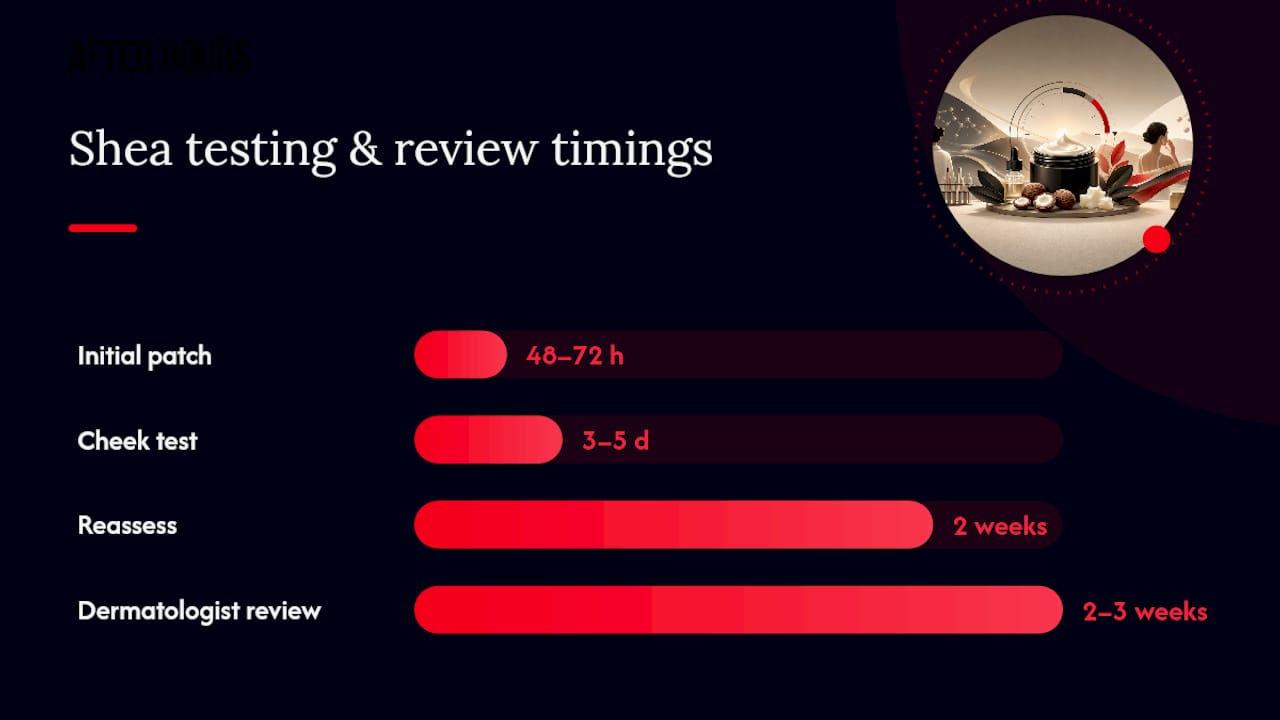
- Apply a small amount to your inner forearm or behind the ear. Leave it undisturbed for 48 to 72 hours, checking daily for redness, itching, or small bumps.
- If clear, do a second test on one cheek only, ideally at night, for three to five days before using it more widely.
- Check the ingredients list. Prefer products where shea sits lower on the INCI (fifth position or later) for facial use rather than raw, unblended butter.
- Avoid the T-zone and hairline to start, since these areas already run higher in sebum and are more prone to congestion.
- Apply sparingly. A pea-sized amount for the whole face is enough; more product does not mean more benefit, and it raises occlusivity.
- Reassess after two weeks. New or worsening breakouts confined to where you applied it are a clear signal to stop.
Pro Tip: Test at night rather than under makeup. It’s easier to spot early congestion on bare skin, and you remove the variable of foundation or SPF interacting with the shea.
If breakouts persist beyond two to three weeks, or if you notice cysts rather than surface bumps, stop use and book a dermatologist appointment rather than troubleshooting further on your own.
What to use instead if shea breaks you out
If patch testing confirms shea is not for your face, the fix is usually a fatty-acid swap rather than avoiding oils altogether. Linoleic-rich oils are the category to reach for:
- Rosehip oil is high in linoleic acid and tends to suit oily and acne-prone skin better than oleic-heavy butters
- Hemp seed oil offers a similar linoleic profile with a lighter, faster-absorbing texture
- Sunflower oil (high-linoleic variety) is another accessible option, often used in lighter facial formulations
- Squalane is not an oil in the traditional sense but a lightweight, non-occlusive emollient that mimics skin’s own lipids without the oleic load
When comparing labels, check three things: where shea or another butter sits on the INCI list, whether the product carries added fragrance or known comedogenic esters, and whether it makes a genuine fragrance-free claim rather than “unscented” (which can still contain masking fragrance). If you liked shea’s texture but not its performance on your face, a mango butter blend is worth comparing, since it sits lighter than both shea and cocoa butter.
What dermatologists and the evidence actually support
The clinical picture on shea is more reassuring than alarming, provided you read it in full. Dermatologists note shea’s value for barrier repair, and lab work points to anti-inflammatory compounds, including triterpene cinnamates and tocopherols, that support that reputation, though large-scale clinical trials remain limited.
- Shea is well supported for dry, reactive, or barrier-compromised skin, backed by both dermatologist commentary and ingredient-level lab findings
- The consensus low comedogenic rating holds for most people, but oily and acne-prone skin should still treat it with caution
- Non-comedogenic labels and ratings are not guarantees; full formulation and concentration count for more than one ingredient’s rating
- Evidence gaps remain: testing methods are not standardised, and individual variation is large enough that no single number settles the question for every reader
My honest read on shea and breakouts
Shea butter earns its reputation for a reason. It genuinely helps dry, sensitive, or barrier-damaged skin, and I would not talk anyone with eczema-prone patches or rough elbows and knees out of using it. Where I get more cautious is the face, specifically the T-zone on already-oily or acne-prone skin, where a pure or heavily concentrated shea product is more likely to sit and congest than help.
My practical rule: use shea generously on the body, where occlusivity is an advantage, and more sparingly on the face, where a diluted formula does the job without the risk. Patch test regardless of where you plan to apply it, and if breakouts persist past a couple of weeks, see a clinician rather than guessing your way through it.
— Darnell
Try shea the low-risk way with Afterhoursbodybutter
Some brands formulate vegan, cruelty-free body butters with natural, chemical-free ingredients chosen to support sensitive and acne-prone skin. Some body butters are made and packaged sustainably, with fat-soluble vitamins and nutrients worked in specifically to nourish skin without relying on heavy fragrance or occlusive fillers that tend to cause the real problems people blame on shea.
If you are introducing a shea-based body butter for the first time, apply a small amount to a patch of skin on your arm or leg first, and keep it away from your face until you know how your skin responds. Once you are confident, a thin layer on drier areas like elbows, knees, or after a shower works best. Browse the full body butter range and pick a formulation suited to dry or sensitive skin as your next step.
This article is general information, not a substitute for advice from a qualified doctor. Consult a qualified healthcare professional about your own circumstances before acting on anything here.
Sources
- Shea butter benefits 92 Cleveland Clinic
- Shea butter 92 DermApproved
- Can a face oil work on oily, acne-prone skin? The linoleic-acid case | The Dew Report
- What Is Shea Butter? 92 Healthline
- Non-comedogenic oils explained 92 Byrdie