

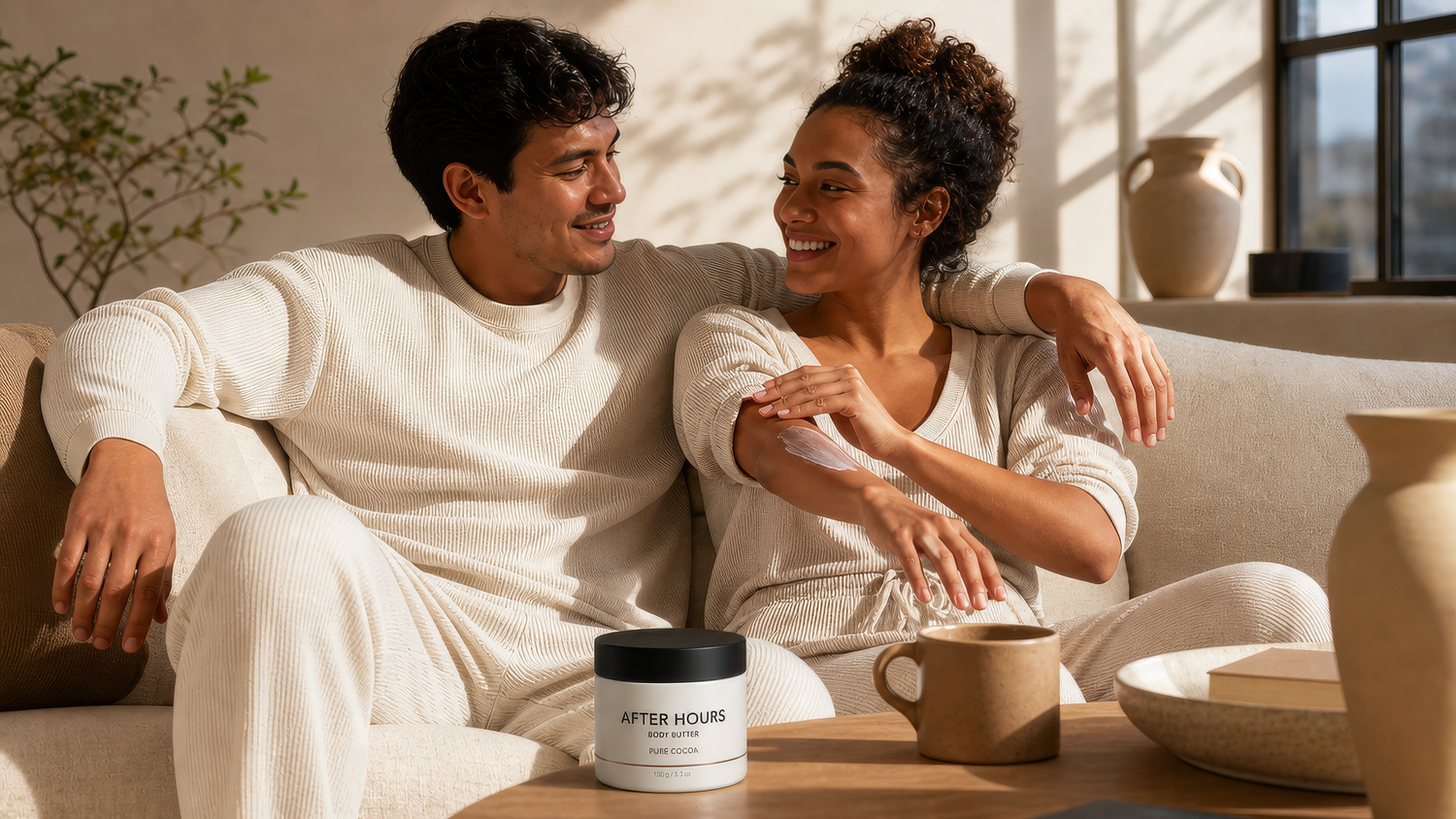

Skin nourishment is defined as the deliberate supply of essential nutrients to the skin through both topical application and diet, supporting barrier integrity, hydration, and cellular renewal. The concept covers two distinct pathways: outside-in, where ingredients applied to the skin surface reinforce the stratum corneum; and inside-out, where nutrients from food and supplements reach skin cells through the bloodstream. Understanding skin nutrition means recognising that neither pathway alone is sufficient. Afterhoursbodybutter builds its entire product range around this principle, using fat-soluble vitamins and natural lipids to support the skin from the outside while encouraging a balanced lifestyle approach.
What is skin nourishment explained by science?
Skin nourishment, known in dermatology as cutaneous nutrition, covers six core nutrient categories: essential fatty acids (EFAs), amino acids, vitamins, antioxidants, minerals, and phytonutrients. Each plays a distinct biological role. EFAs maintain the lipid matrix of the stratum corneum, the outermost skin layer that controls water loss. Amino acids form the natural moisturising factor (NMF), a collection of water-binding compounds found naturally in healthy skin. Deficiencies in EFAs or amino acids cause dryness, peeling, irritation, and slower wound healing.
Ceramides are structural lipids that sit between skin cells like mortar between bricks. They account for roughly half of the stratum corneum’s lipid content and are critical for barrier function. Research shows that ceramide acyl-chain length directly affects how well a product restores the barrier. Ceramides with longer acyl chains (C24–C30) outperform shorter chains (C18) for barrier recovery and hydration. That finding matters when reading ingredient labels: not all ceramide formulations deliver the same result.
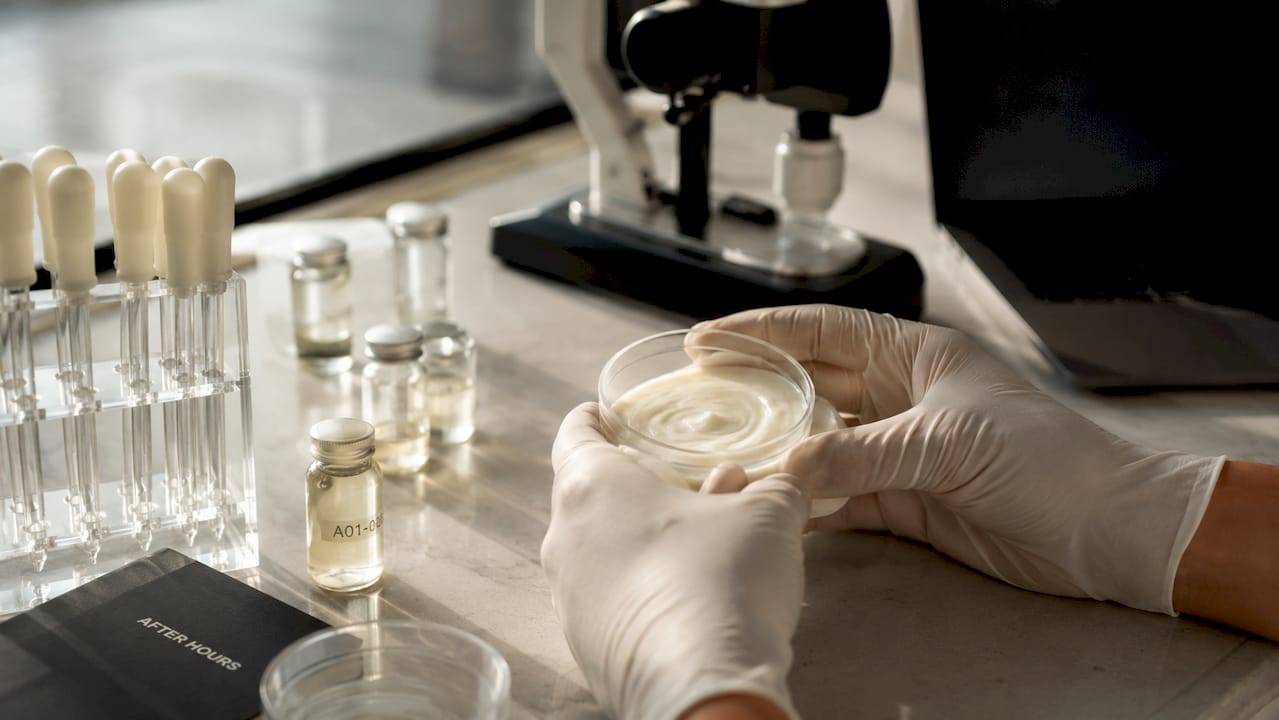
Humectants such as hyaluronic acid attract water molecules from the environment and the deeper dermis, pulling moisture into the upper skin layers. Botanicals add another layer of benefit. Plant oils like borage and evening primrose, both rich in omega-6 fatty acids, soothe sensitive skin and support regeneration. Rosehip and hemp seed oils contribute omega-3 and omega-6 fatty acids that reinforce barrier function. Fermented actives and extracts such as oat extract, green tea, and Centella asiatica provide antioxidant and anti-inflammatory activity that standard synthetic ingredients often cannot replicate.
Pro Tip: When checking a product label, look for ceramides listed alongside EFAs and a humectant. All three together create a complete barrier support system rather than addressing only one aspect of skin hydration.
| Ingredient type | Primary function | Example sources |
|---|---|---|
| Essential fatty acids | Maintain lipid matrix and reduce water loss | Borage oil, evening primrose, hemp seed oil |
| Ceramides (C24–C30) | Restore barrier cohesion and improve hydration | Formulated nanoparticle ceramides |
| Humectants | Attract and bind water in upper skin layers | Hyaluronic acid, glycerin |
| Amino acids / NMF | Regulate moisture balance in stratum corneum | Hydrolysed proteins, urea |
| Phytonutrients | Antioxidant and anti-inflammatory protection | Green tea, Centella asiatica, oat extract |
How do topical skincare and nutrition work together to nourish skin?
Topical skincare and nutrition are complementary, not interchangeable. Topical products act directly on the stratum corneum, reinforcing its lipid structure and supporting the skin microbiome. Nutrition works systemically, supplying building blocks that reach skin cells through circulation. The limitation of the internal route is bioavailability: not all nutrients consumed orally reach the skin in meaningful concentrations. That is why a combined approach produces better outcomes than relying on either method alone.
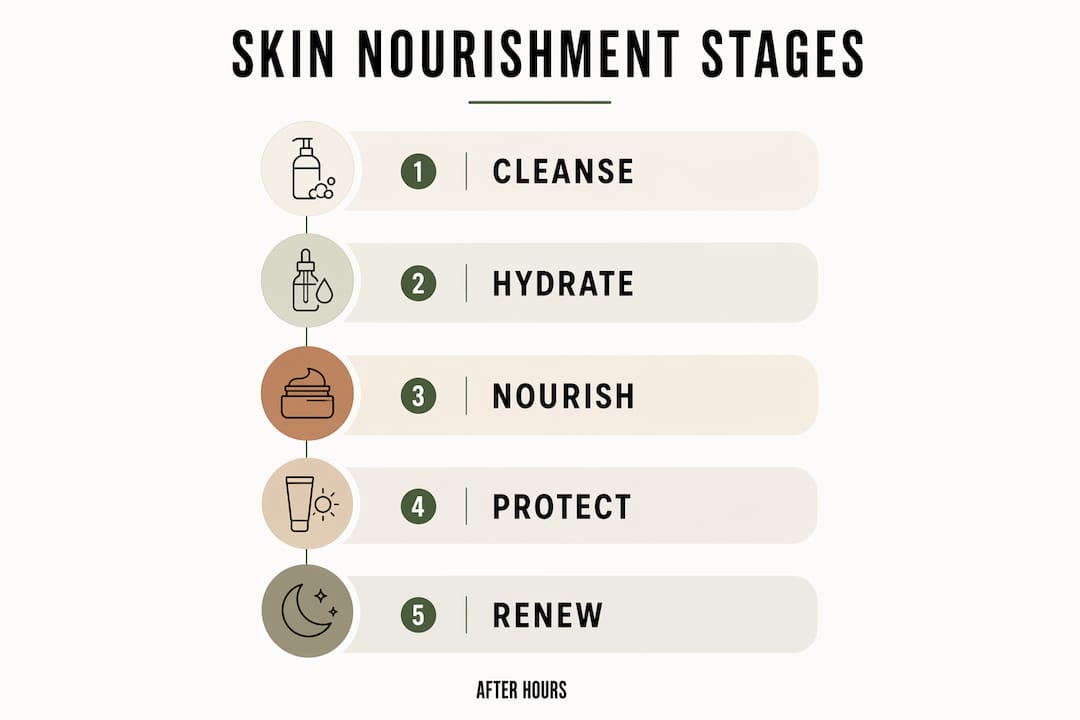
Hydration is a clear example of why both pathways matter. Drinking large amounts of water alone does not correct dry skin. Without a healthy lipid barrier, water evaporates from the skin surface rapidly. Moisturisers and barrier-supporting ingredients slow that loss. Adequate water intake supports overall cellular function, but the barrier must also be intact for skin to retain that moisture.
Lifestyle factors shape how effectively both pathways function:
- Diet quality: A balanced intake of protein, healthy fats, and complex carbohydrates provides the amino acids and EFAs skin needs for repair and resilience.
- Sleep: Skin cell turnover peaks during sleep. Chronic sleep deprivation slows renewal and impairs barrier recovery.
- Smoking: Smoking degrades collagen and reduces blood flow to skin, limiting nutrient delivery regardless of diet quality.
- Stress management: Elevated cortisol disrupts the skin barrier and increases inflammatory responses, counteracting nourishment efforts.
- Supplementation: Omega-3 supplements and vitamins C, D, and E support skin from within when dietary intake is insufficient.
An integrated daily routine combines a nutrient-rich diet, adequate hydration, and topical products that reinforce the barrier. The role of natural butters in topical skincare is well established: plant-derived butters and oils deliver EFAs and fat-soluble vitamins directly to the stratum corneum, complementing what the body receives through food.
What are effective skin nourishment habits and tips for daily care?
Evidence-based skin nourishment habits are consistent, simple, and built around protecting the barrier rather than stripping it. The most effective daily routine combines sun protection, gentle cleansing, and regular moisturising. Each step serves a specific function.
- Apply broad-spectrum SPF daily. UV radiation degrades collagen, depletes antioxidants, and impairs barrier function. Daily sun protection is the single most evidence-backed habit for preserving skin quality over time.
- Cleanse gently. Harsh surfactants strip the skin’s natural lipids and disrupt the microbiome. Choose a pH-balanced, low-irritant cleanser that removes impurities without compromising the barrier.
- Moisturise immediately after washing. Applying a moisturiser within two to three minutes of washing traps residual moisture in the skin before evaporation occurs. This timing significantly improves hydration outcomes.
- Choose moisturisers with ceramides, EFAs, and a humectant. These three ingredient types address barrier structure, lipid replenishment, and water retention simultaneously. A product with only one of these categories provides partial benefit.
- Eat for your skin. A diet rich in oily fish, nuts, seeds, leafy vegetables, and colourful fruits supplies the EFAs, vitamins, and antioxidants that support skin from within.
- Avoid overexfoliation. Exfoliating more than two to three times per week disrupts the stratum corneum and impairs barrier recovery. Less frequent exfoliation preserves the lipid matrix that nourishment depends on.
- Limit alcohol and smoking. Both dehydrate skin and reduce the delivery of nutrients to skin cells, undermining every other nourishment effort.
Pro Tip: The difference between “moisturising” and “nourishing” matters. Moisturising primarily adds or retains water. Nourishing delivers lipids, vitamins, and fatty acids that support skin structure. The best products do both.
Understanding why skin needs daily moisture goes beyond simply applying cream. Consistent habits over weeks and months produce visible improvements in texture and resilience. Sporadic product use, however good the formula, cannot replicate the cumulative benefit of a steady routine.
How does skin nourishment support skin recovery and ageing?
Ageing skin loses ceramides, EFAs, and collagen progressively. The result is a thinner, drier barrier that retains less moisture and recovers more slowly from environmental stress or cosmetic procedures. Nutrient deficits accelerate these changes. Balanced nutrition and consistent topical nourishment slow the process by maintaining the structural components the barrier depends on.
Post-procedure recovery is one area where topical nourishment shows measurable results. A 2026 eight-week pilot study of topical hyaluronic acid applied twice daily after nonablative laser treatment reported sustained improvements in skin quality: reduced dryness and scaling, improved radiance, and high participant satisfaction. The improvements appeared quickly and continued over the full eight weeks. That finding confirms that nourishing actives accelerate recovery and improve outcomes when the barrier is compromised.
Ceramide formulation also matters more as skin ages. Older skin produces fewer ceramides naturally, making topical replenishment more important. Research confirms that C24–C30 ceramide formulations restore barrier function and hydration more effectively than shorter-chain versions. Choosing products with longer-chain ceramides is a practical, evidence-based decision for anyone managing age-related dryness or barrier weakness.
| Ageing concern | Nutrient or ingredient | Mechanism |
|---|---|---|
| Reduced barrier cohesion | Ceramides (C24–C30) | Restore lipid matrix and reduce water loss |
| Dryness and scaling | Hyaluronic acid | Attracts and retains moisture in upper layers |
| Slower healing | EFAs and amino acids | Support cellular repair and renewal |
| Oxidative damage | Antioxidants (vitamins C, E) | Neutralise free radicals that degrade collagen |
Consistency is the defining factor for anti-ageing skin nourishment. A well-formulated product used daily for months outperforms an expensive treatment used occasionally. The skin’s renewal cycle runs on roughly 28 days in younger adults and slows with age. Sustained nourishment across multiple cycles produces the cumulative improvements that short-term routines cannot.
Key takeaways
Effective skin nourishment requires both topical barrier support and internal nutrition, with ceramides, EFAs, and humectants forming the core of any evidence-based routine.
| Point | Details |
|---|---|
| Two pathways, one outcome | Topical skincare and nutrition work together; neither alone is sufficient for lasting skin health. |
| Ceramide chain length matters | C24–C30 ceramides outperform shorter chains for barrier recovery and hydration. |
| Hydration needs a healthy barrier | Drinking water alone does not fix dryness; barrier lipids must be intact to retain moisture. |
| Consistency beats intensity | Daily habits over weeks produce better results than sporadic use of premium products. |
| Post-procedure nourishment works | Topical hyaluronic acid applied twice daily improved skin quality over eight weeks post-laser treatment. |
What I’ve learned from years of watching skin nourishment trends
The conversation around skin nourishment has shifted considerably. A few years ago, the dominant advice was “drink more water and use a good moisturiser.” That framing was too simple. Barrier integrity and amino acids in the stratum corneum are biologically tied to hydration in ways that a glass of water cannot address. The science has caught up with what many formulators already suspected.
What strikes me most is the ceramide chain-length research. The idea that two products can both list “ceramides” on the label and deliver meaningfully different results is not widely understood by consumers. Longer-chain ceramides are harder to formulate with, which is why many mass-market products default to shorter chains. Knowing that distinction gives you a real advantage when choosing what to put on your skin.
Seasonally, I think people underestimate how much the barrier needs adjusting. Cold, dry winters strip lipids faster than summer humidity replaces them. Switching to a richer, EFA-dense formula in autumn is not indulgence. It is maintenance. The future of nourishing skincare points toward biomimetic actives and microbiome-friendly formulations that work with the skin’s own biology rather than overriding it. That direction aligns with what brands like Afterhoursbodybutter have been doing with natural, chemical-free ingredients from the start.
— Darnell
Afterhoursbodybutter: nourishing skin from the outside in
Afterhoursbodybutter formulates its body butters around the same principles this article covers: barrier lipids, fat-soluble vitamins, and natural plant oils that deliver EFAs directly to the stratum corneum.
The Blueprint Aura Body Butter is built with nutrient-rich natural butters and oils that reinforce the skin barrier and support moisture retention. For those managing dryness or post-procedure recovery, it fits directly into the kind of consistent daily routine the evidence supports. Afterhoursbodybutter’s full range is vegan, cruelty-free, and free from harsh chemicals, making it a practical choice for people with sensitive skin or specific skin concerns. View the full product range to find the right formula for your skin’s needs.
FAQ
What is skin nourishment?
Skin nourishment is the process of supplying essential nutrients to the skin through topical products and diet to maintain barrier function, hydration, and cellular renewal. It covers fatty acids, vitamins, antioxidants, amino acids, and ceramides delivered via both external and internal pathways.
What are the best ingredients for skin nourishment?
Ceramides (particularly C24–C30 chain lengths), essential fatty acids, hyaluronic acid, and antioxidants such as vitamins C and E are the most evidence-backed ingredients for nourishing skin. Plant oils like rosehip, borage, and hemp seed oil also deliver omega fatty acids that support barrier repair.
Does drinking more water nourish the skin?
Drinking water supports overall cellular function but does not fix dry skin on its own. Skin hydration depends on a healthy lipid barrier; without it, water evaporates from the skin surface regardless of fluid intake.
How long does it take to see results from skin nourishment?
Visible improvements typically require consistent use over multiple skin renewal cycles, which run approximately 28 days in younger adults and longer with age. Research on topical hyaluronic acid showed measurable improvements within an eight-week period of twice-daily application.
Can diet alone nourish the skin?
Diet provides the systemic building blocks skin needs, but oral nutrients face bioavailability limits before reaching the stratum corneum. A combined approach using both a nutrient-rich diet and topical barrier-supporting products produces better outcomes than either method alone.