

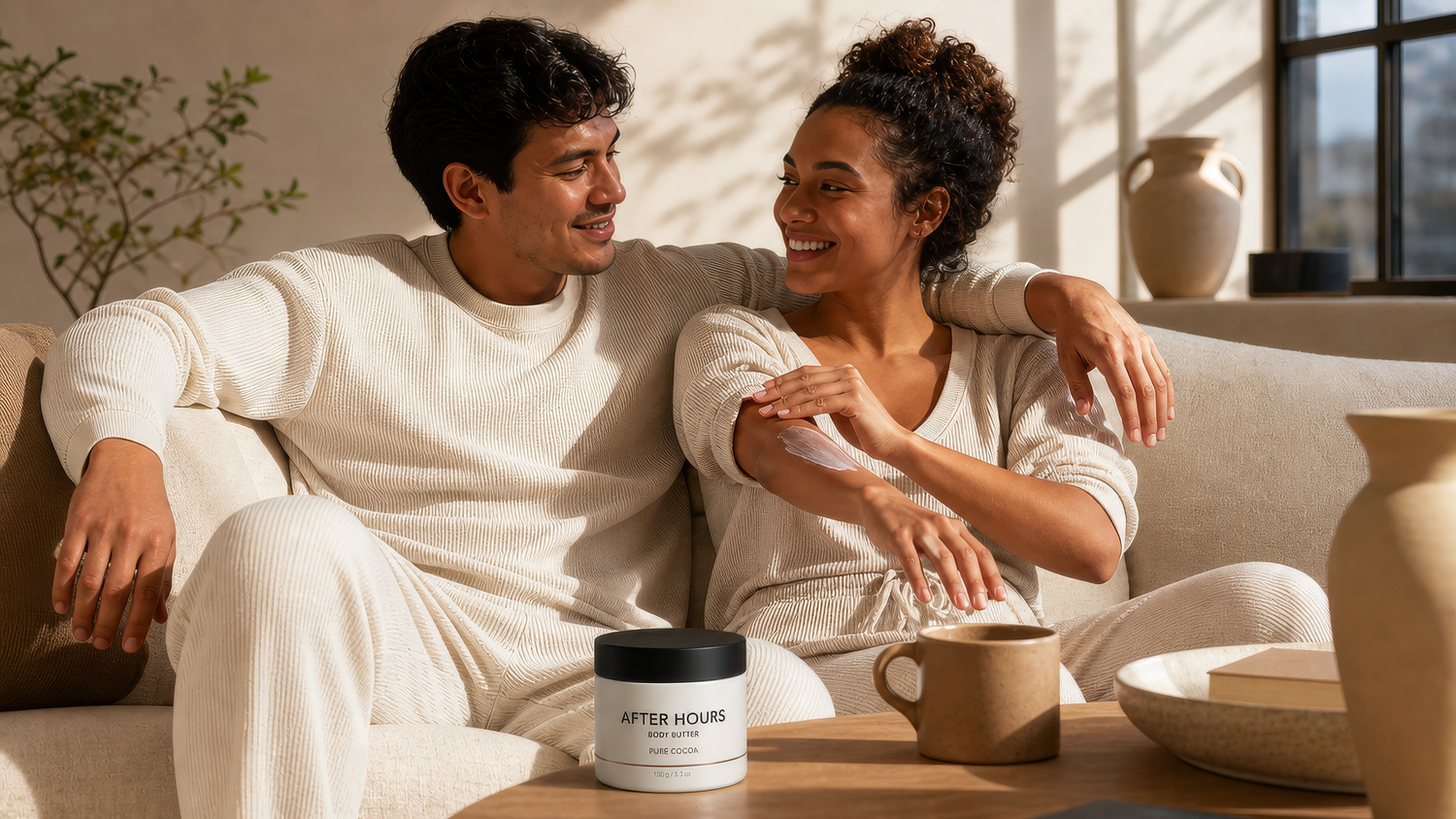

Nutrient-rich skincare is defined as topical products that deliver essential vitamins, antioxidants, and bioactive compounds directly to the skin to support its core functions. The role of nutrient-rich skincare goes well beyond surface moisturisation. These formulations actively support barrier repair, reduce inflammation, and stimulate collagen production at a cellular level. Key nutrients such as vitamin C, vitamin E, hyaluronic acid, and peptides each carry specific biochemical roles that generic moisturisers simply cannot replicate. Understanding how these ingredients work gives you a clear advantage when choosing products that genuinely improve skin health rather than just masking dryness or irritation.
What does nutrient-rich skincare actually do for your skin?
Nutrient-rich skincare delivers biologically active compounds that the skin uses to repair, protect, and renew itself. This is distinct from basic hydration. A standard moisturiser traps water at the surface. A nutrient-rich formulation provides the raw materials the skin needs to function properly from within its layers.
Vitamin C is the most studied topical nutrient for skin. It drives collagen synthesis, neutralises free radicals, and supports epidermal renewal. Research shows that consuming 250 mg of vitamin C daily for eight weeks significantly increases skin thickness and cell regeneration. That finding confirms vitamin C is not merely cosmetic. It triggers measurable structural change in skin tissue.

Vitamin E works alongside vitamin C as a fat-soluble antioxidant, protecting cell membranes from oxidative damage. The two nutrients reinforce each other: vitamin C regenerates oxidised vitamin E, making them more effective when used together. Products containing both deliver stronger antioxidant protection than either ingredient alone.
Hyaluronic acid and collagen peptides address hydration and elasticity. Low-molecular-weight hyaluronic acid penetrates deeper into the skin than high-molecular-weight forms, which mostly sit on the surface. That difference in penetration translates directly into better hydration at the dermal level, not just a temporary plumping effect.
Key nutrients and their skin functions
- Vitamin C: Collagen synthesis, antioxidant protection, brightening
- Vitamin E: Cell membrane protection, anti-inflammatory, fat-soluble barrier support
- Hyaluronic acid (low molecular weight): Deep hydration, plumping, moisture retention
- Collagen peptides: Elasticity, firmness, structural support
- Omega-3 fatty acids: Inflammation reduction, barrier lipid replenishment
- Peptides: Signal proteins that prompt collagen and elastin production
Pro Tip: Look for vitamin C listed as L-ascorbic acid or ascorbyl glucoside on the ingredient label. These are the forms with the strongest evidence for skin penetration and collagen stimulation.
Does diet alone give your skin the nutrients it needs?
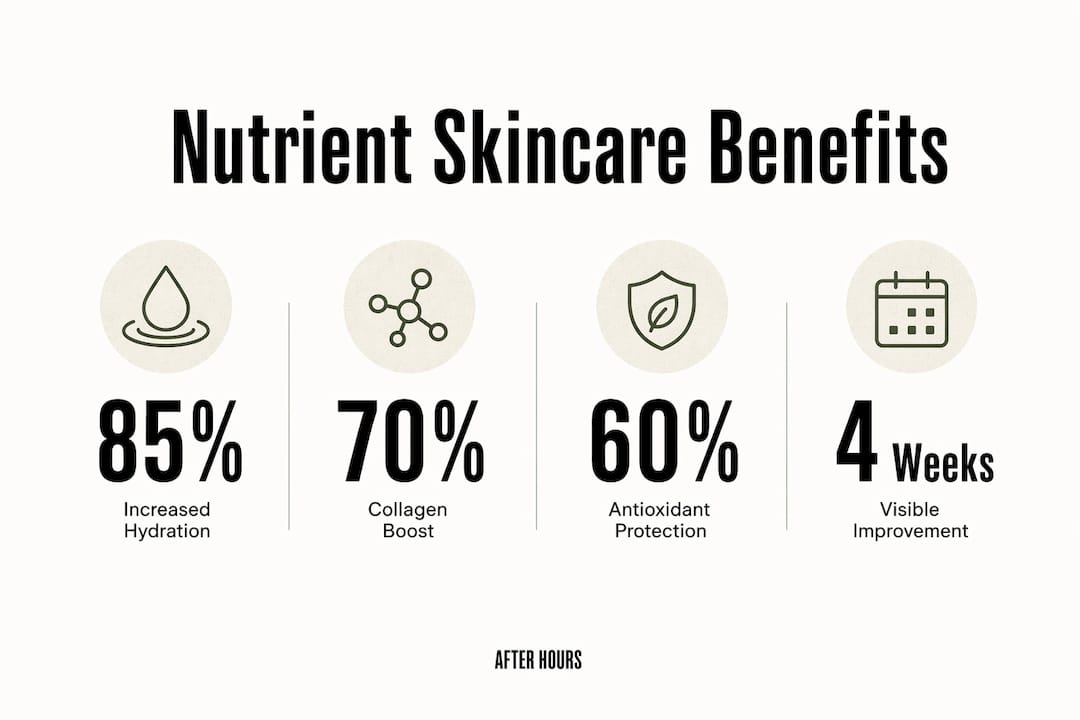
Diet supports skin health from the inside, but topical application targets the skin directly. The two approaches work best together, not as substitutes for each other.
Integrative dermatology describes this as the “in and out” approach: internal nutraceuticals address root biological causes, while topical antioxidants and peptides protect and repair the surface. Neither route alone delivers the full range of benefits. A diet rich in antioxidants improves systemic inflammation and provides building blocks for collagen. Topical application delivers concentrated nutrients precisely where the skin needs them.
“There is no instant ‘skin dinner’ for quick results. Nutrition improves skin health gradually over months with consistent dietary patterns. Topical nutrients complement this process by delivering active compounds directly to the skin’s surface layers, where diet-derived nutrients may not reach in sufficient concentrations.”
Antioxidant-rich whole foods and supplements do improve skin barrier function, hydration, and reduce severity in inflammatory skin conditions. A systematic review and meta-analysis confirmed improvements in transepidermal water loss, epidermal thickness, and dermatitis scores. That evidence is strong. But it also shows that dietary antioxidants improve systemic markers, not always the localised skin concerns you may be trying to address.
Topical application fills that gap. When you apply a vitamin C serum or a nutrient-rich body butter directly to dry or irritated skin, you deliver a concentrated dose to the exact tissue that needs it. Diet cannot replicate that precision.
The skin cell turnover cycle runs approximately every 28 days. Visible results from any nutrient strategy, topical or dietary, require several months of consistent use. Patience is not optional. It is built into the biology.
How to choose effective nutrient-rich skincare products
Choosing nutrient skincare requires looking past marketing language and focusing on ingredient specifics. Most products make broad claims. Few deliver on them with the ingredient forms and concentrations that science supports.
Only specific nutrients like vitamin C carry authorised biochemical claims confirming their direct role in collagen formation. Regulatory bodies validate these claims based on clinical evidence. That matters because it separates ingredients with proven functions from those added for label appeal only.
What to check before buying
- Ingredient form: Choose low-molecular-weight hyaluronic acid and stabilised vitamin C (L-ascorbic acid). High-molecular-weight versions act superficially.
- Concentration: Vitamin C is most effective at concentrations between 10% and 20%. Below 10%, the effect on collagen synthesis is minimal.
- Packaging: Topical vitamin C degrades rapidly upon oxidation. Products in opaque, airless, or dark glass packaging preserve stability far longer than clear bottles or jars with wide openings.
- Ingredient pairing: Vitamin C and E together outperform either alone. Peptides paired with hyaluronic acid support both structure and hydration simultaneously.
- Skin type fit: Oily or acne-prone skin benefits from lightweight serums with niacinamide and vitamin C. Dry or sensitive skin responds better to richer formulations containing natural butters, vitamin E, and omega-3 fatty acids.
| Ingredient | Primary function | Best form for absorption |
|---|---|---|
| Vitamin C | Collagen synthesis, antioxidant | L-ascorbic acid, ascorbyl glucoside |
| Vitamin E | Cell protection, barrier support | Tocopherol |
| Hyaluronic acid | Deep hydration | Low molecular weight |
| Collagen peptides | Elasticity, firmness | Hydrolysed collagen |
| Omega-3 fatty acids | Inflammation, barrier repair | Plant oils (e.g., rosehip, hemp seed) |
Pro Tip: If a product’s vitamin C has turned orange or brown, it has oxidised and lost its activity. Discard it. Colour change is a reliable indicator of instability.
Formulations containing natural butters such as shea or cocoa butter deliver fat-soluble vitamins A and E alongside essential fatty acids. These ingredients support the skin’s daily moisture needs while reinforcing the lipid barrier that keeps irritants out and hydration in.
What results can you realistically expect?
Nutrient-rich skincare produces measurable improvements, but the timeline is longer than most product marketing suggests. The skin epidermis renews approximately every 28 days. That biological cycle means you need multiple renewal periods before structural changes become visible.
Realistic outcomes from consistent nutrient skincare use, based on clinical evidence:
- Weeks 4–6: Improved surface hydration and a reduction in tightness or flaking in dry skin. Hyaluronic acid and barrier-supporting fatty acids show effects earliest.
- Weeks 8–12: Reduction in redness and irritation as antioxidants reduce oxidative stress and inflammation. Skin tone becomes more even.
- Months 3–6: Visible improvements in elasticity and firmness as collagen synthesis responds to sustained vitamin C application. Skin texture becomes smoother.
- Months 6 and beyond: Cumulative benefits in barrier resilience, reduced sensitivity, and improved response to environmental stressors.
A meta-analysis of 26 randomised controlled trials involving approximately 1,721 participants confirmed that hydrolysed collagen improves skin hydration and elasticity with statistically significant results. Those improvements required consistent use over months, not days. The same principle applies to topical nutrient application.
Individual results vary based on skin type, age, existing skin condition, and product formulation quality. Dry or irritated skin tends to show hydration improvements faster than structural changes like firmness. Consistent daily use matters more than occasional application of a premium product.
Key takeaways
Nutrient-rich skincare works by delivering specific vitamins, antioxidants, and bioactive compounds directly to skin tissue, producing measurable improvements in hydration, barrier function, and collagen production over sustained use.
| Point | Details |
|---|---|
| Nutrients have specific roles | Vitamin C builds collagen; hyaluronic acid hydrates; vitamin E protects cell membranes. |
| Ingredient form determines absorption | Low-molecular-weight forms penetrate deeper and deliver better results than high-molecular-weight versions. |
| Topical and dietary nutrients complement each other | Diet supports systemic skin health; topical application targets localised concerns directly. |
| Results require consistent use | The 28-day skin renewal cycle means visible improvements take several months of daily application. |
| Packaging affects product efficacy | Vitamin C oxidises quickly; choose opaque, airless packaging to preserve active ingredient stability. |
What I have learned from years of watching people use nutrient skincare
The biggest misconception I see is that people treat nutrient skincare like a quick fix. They apply a vitamin C serum for two weeks, see no dramatic change, and conclude it does not work. That is not a product failure. That is a misunderstanding of how skin biology operates.
The second misconception is that a longer ingredient list signals a better product. It does not. A formulation with three well-chosen, correctly stabilised nutrients will outperform a product with fifteen poorly formulated ones every time. The role of natural butters in skincare is a good example of this. Shea and cocoa butter are not glamorous ingredients. But they deliver fat-soluble vitamins and essential fatty acids in a form the skin can actually use, without the stability problems that plague water-based vitamin C formulations.
What I find genuinely underappreciated is the importance of the delivery system. A nutrient sitting on the skin’s surface does very little. The same nutrient in a low-molecular-weight form, in a stable formulation, in appropriate packaging, reaches the layers where it can actually make a difference. Consumers rarely ask about molecular weight or packaging design. They should.
My honest advice: choose fewer products with better ingredients, use them consistently for at least three months, and pair topical application with a diet that includes antioxidant-rich whole foods. That combination is what the evidence actually supports.
— Darnell
Afterhoursbodybutter: nutrient-rich body care that works
Afterhoursbodybutter formulates its body butters with natural, fat-soluble nutrients that support skin barrier function and address dryness and irritation directly.
Their vegan, cruelty-free formulations use natural butters and stabilised antioxidants to deliver vitamins A and E alongside essential fatty acids. Customers with sensitive or dry skin report visible improvements in texture and moisture retention with consistent use. Products like the Blueprint Aura Body Butter and the Men’s Cocoa Body Butter are formulated specifically for deep moisture and barrier support. Browse the full range at Afterhoursbodybutter and find the right formulation for your skin’s needs.
FAQ
What is nutrient-rich skincare?
Nutrient-rich skincare refers to topical products formulated with vitamins, antioxidants, and bioactive compounds that support skin repair, hydration, and barrier function at a cellular level.
Which vitamins are most effective in skincare?
Vitamin C and vitamin E have the strongest clinical evidence. Vitamin C drives collagen synthesis and only specific nutrients like vitamin C carry authorised biochemical claims confirming this role.
How long does nutrient skincare take to show results?
The skin renews approximately every 28 days, so visible improvements typically require three to six months of consistent daily use.
Does packaging really affect nutrient skincare quality?
Yes. Topical vitamin C degrades rapidly upon oxidation, so products in opaque, airless, or dark glass packaging retain their activity significantly longer than those in clear or wide-mouthed containers.
Can topical nutrients replace a healthy diet for skin health?
No. Topical nutrients target localised skin concerns directly, while diet supports systemic skin health. The most effective approach combines both, as integrative dermatology research confirms.