


For product integrity and premium sustainable positioning, choose glass. For lightweight, cost-efficient, or travel-friendly SKUs, choose plastic. That is the short answer for glass vs plastic skincare packaging, and the rest of this article gives you the evidence to back whichever decision fits your product.
Quick decision triggers:
- Light-sensitive or high-potency formulas (retinoids, vitamin C serums, facial oils): glass, ideally tinted amber or violet, provides a superior barrier to UV and oxygen.
- Body butters, thick creams, and rinse-off products: food-grade polypropylene (PP) or high-density polyethylene (HDPE) jars work well and keep freight costs low.
- Refill or closed-loop ambition: glass wins outright. Glass is 100% recyclable and can be recycled indefinitely without quality loss, making it the only true circular option at scale.
- MOQ and cost constraints: plastic typically carries lower unit cost and minimum order quantities, which matters for small brands launching a new SKU.
- Direct-to-consumer e-commerce fulfilment: plastic reduces breakage risk and shipping weight, both of which affect margin directly.
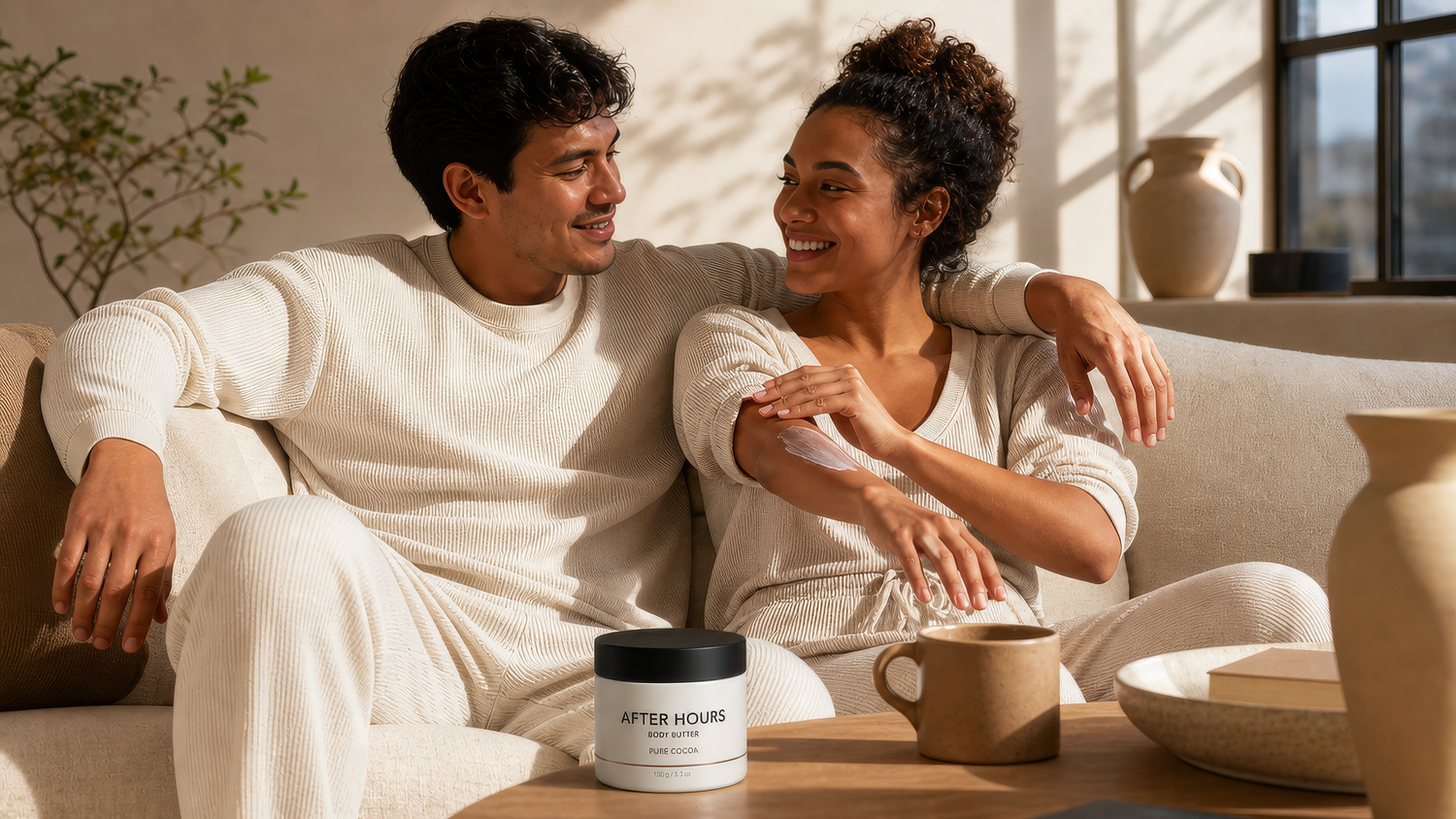
At Afterhoursbodybutter, vegan body butters formulated with fat-soluble vitamins and natural actives sit in the middle of this decision: the formulation is sensitive enough to warrant inert packaging, yet the brand’s sustainable commitments and premium positioning pull firmly toward glass for hero SKUs.
Pro Tip: Before committing to a material, map your distribution channel first. A glass jar that looks beautiful on a shelf can become a liability in a DTC fulfilment centre without the right secondary packaging.
Key takeaways
Glass is the right material for product integrity and circular sustainability claims; plastic is the right material when weight, cost, or dispensing format are the binding constraints.
| Point | Details |
|---|---|
| Glass for sensitive formulas | Inert, UV-protective glass preserves oils, retinoids, and high-potency actives better than most plastics. |
| Plastic for cost and logistics | PP and PET reduce freight cost, MOQ, and breakage risk, making them practical for new SKUs and DTC fulfilment. |
| Recycling claims need precision | “Infinitely recyclable” applies to glass; plastic recyclability depends on local infrastructure and resin type. |
| Design for mono-material | Mixed-material assemblies (glass jar, plastic pump) reduce real-world recyclability regardless of the label. |
| Refill is the strongest sustainability move | A glass primary pack paired with a refill pouch delivers the lowest repeat-purchase footprint. |
Browse the After Hours Body Butter shop to see how these packaging principles apply to a vegan, naturally formulated body care range built for sensitive skin.
Table of Contents
- Glass vs plastic skincare packaging: full life-cycle comparison
- How does material choice affect formulation stability and shelf life?
- Hygiene, contamination risk and regulatory notes for skincare packaging
- Operational tradeoffs: weight, cost, dispensing and breakage
- What actually happens after consumers finish the product?
- How to choose the right packaging material for your SKU
- How Afterhoursbodybutter approaches packaging for a new body butter
- The packaging debate is not really about the material
- Sources
Glass vs plastic skincare packaging: full life-cycle comparison
The environmental story is more complicated than “glass is green, plastic is bad.” Both materials carry a carbon cost at manufacture, and the right comparison looks at the whole journey: raw materials, production energy, transport, reuse, and end-of-life.
Manufacture and embodied energy
Glass production is energy-intensive. Melting silica sand, soda ash, and limestone requires furnace temperatures above 1,500°C. Using recycled cullet (crushed glass) cuts that energy demand significantly, but virgin glass still carries a higher manufacturing carbon footprint per unit than most lightweight plastics such as PET or PP. Plastics are derived from fossil fuels, which creates a different category of environmental harm: resource depletion and persistent pollution rather than energy intensity alone.
Transport emissions
A 100ml glass jar can weigh four to six times more than an equivalent PP container. That weight difference compounds across a pallet, a truck, and an ocean freight container. For brands shipping internationally, the freight carbon cost of glass is a genuine line item, not a rounding error.
Reuse and refill
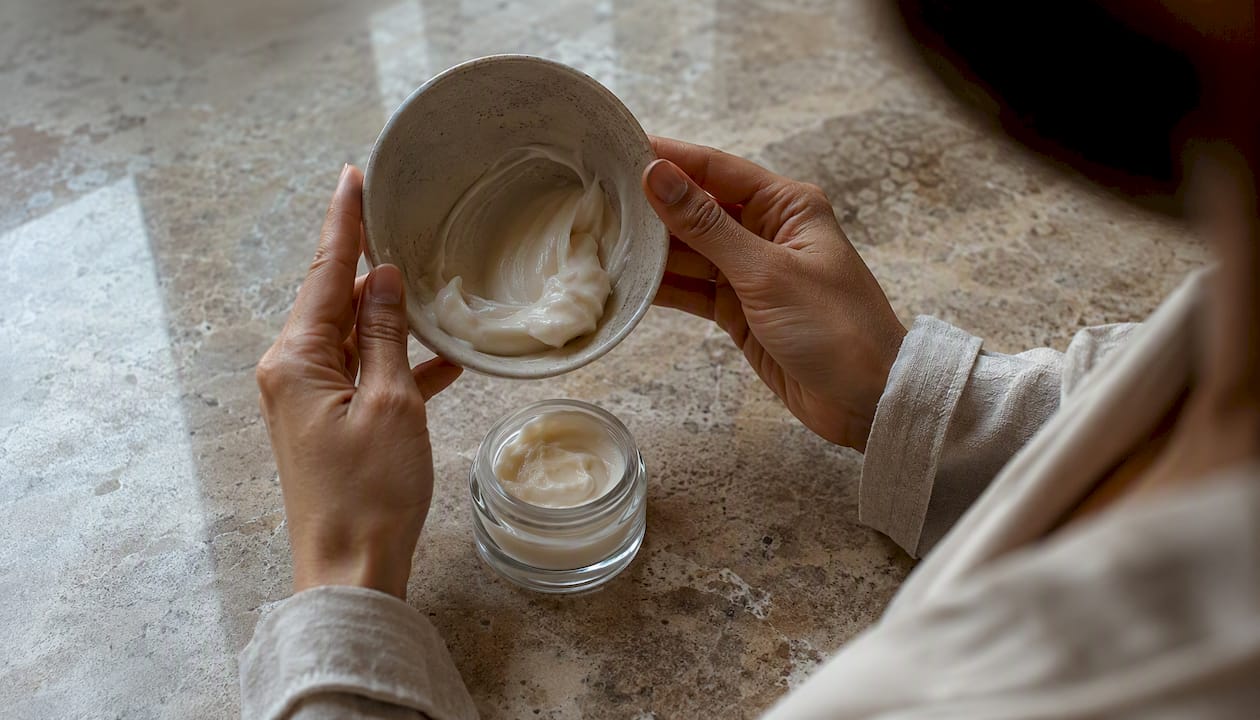
This is where glass pulls ahead decisively. A glass container can be sterilised, refilled, and reused repeatedly without degradation. Most plastics are not designed for repeated sterilisation cycles; heat and chemical exposure can cause surface degradation and increase migration risk over time.
End-of-life
Plastics face significant recycling and downcycling challenges, with outcomes heavily dependent on local collection and sorting infrastructure. Many plastic packaging formats, particularly multi-layer laminates and coloured resins, are not recycled in practice even when labelled recyclable. Glass, by contrast, can re-enter the same production stream indefinitely.
| Dimension | Glass | Plastic (PET/PP) |
|---|---|---|
| Manufacture energy | High (lower with cullet) | Lower per unit |
| Transport emissions | High (weight) | Low (lightweight) |
| Reuse potential | Excellent (sterilisable) | Limited (degrades with heat/chemicals) |
| Recyclability | Infinite, closed-loop | Often downcycled; infrastructure-dependent |
| Recycled content availability | High (cullet widely used) | Variable; PCR supply inconsistent |
| Microplastics risk | None | Present with wear and degradation |
| End-of-life landfill risk | Low | Higher for non-collected formats |
How does material choice affect formulation stability and shelf life?
Glass is chemically inert. It does not react with the contents, does not absorb fragrance molecules, and does not leach plasticisers or stabilisers into a formula. For nutrient-rich skincare products containing fat-soluble vitamins such as A, D, E, and K, that inertness matters: lipid-soluble actives can interact with certain plastic resins over time, particularly at elevated storage temperatures.
Compatibility by product type:
- Facial oils and oil-based serums: glass dropper bottles are the standard for good reason. Oils can slowly permeate or stress-crack certain plastics, and the dropper format is straightforward in glass.
- Retinoids and vitamin C serums: light and oxygen are the primary degradation triggers. Amber or violet tinted glass blocks UV effectively; opaque HDPE is a credible plastic alternative but lacks the premium signal.
- Water-based lotions and toners: PET and PP are both compatible and widely used. Migration risk is low for aqueous formulas at neutral pH.
- Body butters and thick emulsions: PP jars are the industry default. The formula is typically stable in plastic, and the weight savings on fulfilment are significant.
- Spray formats: both materials work, but glass spray bottles require specialist pump heads rated for the weight and require careful secondary packaging for DTC.
Pro Tip: Always specify a closure liner compatible with your formula. A glass jar with a metal lid and no liner can still introduce contamination. Foam-lined or EPE-lined closures are standard for oil-based products.
When barrier properties matter beyond what standard glass or single-layer plastic provides, multi-layer plastics (such as EVOH barrier layers) or barrier-coated glass are options. The trade-off is recyclability: multi-layer structures are rarely accepted by kerbside schemes.
- Identify the most chemically aggressive ingredient in your formula (high-potency antioxidant, essential oil, low-pH acid).
- Request migration testing data from your packaging supplier for that specific resin grade.
- Confirm UV protection requirements and specify tinting or secondary opaque packaging accordingly.
- Test closure compatibility separately, including liner material and torque specification.
Hygiene, contamination risk and regulatory notes for skincare packaging
Glass is easier to sterilise than most plastics. It withstands autoclave temperatures and chemical sterilants without surface degradation, which is why pharmaceutical and clinical packaging defaults to glass for high-risk applications. For cosmetics, the practical difference is smaller but still relevant: a glass jar that is thoroughly cleaned and dried before refilling carries lower contamination risk than a plastic jar that has developed micro-scratches from use.
Microplastics are a growing concern. Plastic packaging can shed microparticles through mechanical wear, UV degradation, and chemical stress. While the primary microplastics exposure route for skincare is through rinse-off products containing plastic-derived ingredients (now largely banned in the UK), packaging wear is a secondary source that glass eliminates entirely.
A few caveats worth noting:
- Painted or decorated glass caps can introduce heavy metal pigments if the coating contacts the product.
- Metal pump mechanisms on glass bottles introduce a mixed-material assembly that complicates both recycling and contamination assessment.
- Wide-mouth glass jars used with fingers introduce contamination from repeated manual contact regardless of the container material.
Manufacturers, not regulators, carry primary responsibility for cosmetic safety. FDA guidance makes clear that cosmetics are regulated but not pre-approved, and that safety for packaging contact materials rests with the brand or manufacturer. This applies equally in the UK under the UK Cosmetics Regulation (retained from EU Regulation 1223/2009).
On environmental claims: the FTC Green Guides warn explicitly against vague or unsubstantiated sustainability statements. Calling packaging “eco-friendly” or “sustainable” without specifying the basis (recycled content percentage, recyclability in the consumer’s local area, carbon reduction versus a baseline) risks a greenwashing finding. The UN has flagged greenwashing as a systemic risk to climate policy and consumer trust.
Operational tradeoffs: weight, cost, dispensing and breakage
The practical constraints of glass vs plastic often determine the decision before sustainability or chemistry enters the room.
Key operational factors:
- Unit cost: glass unit costs can run significantly higher than equivalent plastic formats depending on wall thickness, finish, and decoration.
- MOQ: glass moulds carry higher tooling costs, so minimum order quantities are typically higher, which disadvantages small brands testing a new SKU.
- Breakage: glass breakage rates in DTC fulfilment can run at 1–3% without protective secondary packaging, each broken unit representing a full product loss plus a customer service cost.
- Freight: the weight premium for glass increases landed cost on every shipment, particularly for international orders.
- Fill lines: many contract manufacturers run separate fill lines for glass and plastic; switching material mid-production run is rarely straightforward.
Dispensing formats by material:
- Dropper bottles: straightforward in glass; the format is standard and widely available from packaging suppliers.
- Pump dispensers: available in both materials, but glass pump bottles require a metal or plastic pump mechanism, creating a mixed-material assembly.
- Squeezable tubes: plastic only. Glass cannot be squeezed, which rules it out for thick creams or balms where the consumer needs to control flow.
- Wide-mouth jars: both materials work; glass jars carry a premium feel that supports higher price points.
- Spray bottles: both materials are viable, but glass spray bottles need specialist pump heads and careful cushioning for DTC.
Pro Tip: For DTC glass packaging, budget for a corrugated inner tray or foam insert as standard. The secondary packaging cost is typically £0.15–£0.40 per unit and reduces breakage to near zero. Factor it into your landed cost from day one.
Mitigation options for glass include thick-wall construction (which adds weight but reduces breakage), shrink-sleeve labels (which hold shards together on impact), and overboxes. Each adds cost; none eliminates the weight premium.
What actually happens after consumers finish the product?
Recyclable on the label does not mean recycled in practice. UK waste statistics show that recycling rates vary significantly by material and by local authority. Glass collected kerbside in the UK goes predominantly to reprocessing, but small glass items (under 50mm) often fall through sorting machinery and end up in residual waste. Plastic recycling rates are lower overall, and many plastic formats accepted by kerbside schemes are downcycled into lower-grade products rather than back into packaging.
Three terms brands must use correctly:
- Recyclable: the material can technically be recycled, but says nothing about whether local infrastructure will collect and process it.
- Recycled content: the packaging contains a stated percentage of post-consumer or post-industrial recycled material, which is a verifiable, specific claim.
- Infinitely recyclable: applies to glass and aluminium; means the material can re-enter the same production stream without quality loss, cycle after cycle.
Mixing materials in a single pack (a glass bottle with a plastic pump, a PP cap on a glass jar) complicates recycling. EPA guidance confirms that design decisions, including mixed materials and small components, materially affect whether packaging is recycled in practice. Consumers cannot always separate components, and sorting facilities often cannot either.
Concrete actions for brands:
- Design for mono-material where possible: a glass jar with a glass or aluminium lid is more recyclable than one with a plastic pump.
- State recycled content percentage on pack, not just the recycling symbol.
- Offer a refill format or take-back scheme, and communicate it clearly.
- Check whether your packaging format is accepted by the kerbside schemes in your primary markets before making recyclability claims.
Consumer actions:
- Rinse containers before placing in recycling.
- Remove pumps and mixed-material closures and place them in general waste unless your local scheme accepts them separately.
- Check your local authority’s accepted materials list; it varies more than most people expect.
Pro Tip: If you offer a refill pouch or concentrate alongside a glass primary pack, the combined lifecycle footprint is often lower than either material alone. The refill format is the most credible sustainability story you can tell.
How to choose the right packaging material for your SKU
Work through these steps before committing to a material or a supplier.
- Define product sensitivity: does the formula contain light-sensitive, oxidation-prone, or high-potency actives? If yes, glass or opaque HDPE with UV protection is the starting point.
- Map your distribution channel: DTC e-commerce, retail shelf, or professional/clinical? Each channel has different breakage, weight, and presentation requirements.
- Set your price point: glass supports a premium retail price; plastic is more credible at mass-market price points. Mismatching material and price point confuses buyers.
- Assess your sustainability target: refill ambition and circular claims require glass or aluminium. PCR plastic is a credible step for brands not yet ready for glass.
- Check your MOQ and cash flow: if you are launching a new SKU with under 1,000 units, plastic is often the only financially viable option.
- Confirm refill strategy: if you plan a refill format, design the primary pack for it from the start. Retrofitting a refill scheme to an existing pack is expensive.
Decision matrix by product type:
| Product type | Recommended material | Key reason |
|---|---|---|
| Facial oil / serum | Glass (amber or violet) | Inert; UV and oxygen barrier |
| Retinoid treatment | Amber glass or opaque HDPE | Light sensitivity; migration risk |
| Body butter / thick cream | PP jar | Weight, cost, squeezability |
| Water-based toner | PET or glass | Both compatible; channel decides |
| Spray (mist / setting) | PET or glass | Glass for premium; PET for DTC |
| Natural oil blend | Glass dropper | Inertness; dropper precision |
Questions to ask your packaging supplier:
- What resin grade is used, and do you have migration test data for oil-based or low-pH formulas?
- What percentage of post-consumer recycled (PCR) content is available, and does it affect food-contact or cosmetics compliance?
- Can you supply tinted glass, and what UV transmission data do you have for each tint option?
- What is the breakage rate in your standard DTC fulfilment testing?
- Do you offer pre-shipment testing (drop test, compression test) as standard?
How Afterhoursbodybutter approaches packaging for a new body butter
Afterhoursbodybutter makes vegan body butters from natural, chemical-free ingredients, with fat-soluble vitamins and skin-nourishing actives at the core of every formula. When the brand evaluates packaging for a new SKU, three priorities sit at the top of the brief: preserve the integrity of the active ingredients, communicate the premium and sustainable positioning honestly, and keep the operational model viable for a DTC e-commerce business.
For a body butter, the formula is a thick, oil-rich emulsion. PP jars are the functional default for that texture, and they work. But Afterhoursbodybutter’s positioning, a sleek, minimal aesthetic with a commitment to sustainable body care, pulls toward glass for hero SKUs where the price point supports it.
Choosing glass for a body butter is not just an aesthetic call. A glass jar with a foam-lined aluminium lid is a mono-material-friendly assembly, sterilisable for refill, and consistent with a brand that takes its ingredient story seriously. The packaging becomes part of the product’s credibility.
The practical consequences of that choice:
- MOQ for a custom glass jar typically starts at several hundred units, which requires upfront capital commitment.
- Secondary packaging (a corrugated sleeve or foam insert) adds cost per unit but is non-negotiable for DTC fulfilment.
- The refill format, a PP or aluminium pouch containing the same formula, can be offered alongside the glass primary pack to reduce repeat-purchase footprint.
Pro Tip: For a first run on a new SKU, consider launching in PP to validate the formula and the market, then transitioning to glass for the second production run once volume justifies the MOQ. Communicate the transition to your customers; it builds trust rather than undermining it.
For natural skincare brands, the packaging decision is also a claims decision. Stating “packaged in recyclable glass” is specific and verifiable. Stating “sustainable packaging” without qualification is not, and the FTC Green Guides apply to any brand selling into the US market.
The packaging debate is not really about the material
Most of the conversation around glass vs plastic skincare packaging gets stuck on the wrong question. Brands ask “which is more sustainable?” when the question that actually drives outcomes is “which choice, in this specific supply chain, for this specific formula, at this specific volume, produces the least harm and the most credibility?”
Glass is not automatically virtuous. A glass jar shipped from overseas, wrapped in single-use foam, and thrown into general waste by a consumer who does not rinse it is a worse outcome than a PP jar made with 50% PCR content, shipped domestically, and collected by a kerbside scheme that actually processes it. The material is only part of the story.
What the evidence in this article actually supports is a more uncomfortable conclusion: the brands doing this well are not choosing one material and defending it. They are designing packaging systems, a primary container, a refill format, a take-back option, and a set of precise, verifiable claims, and they are making different choices for different SKUs based on formula sensitivity, channel, and volume.
The conventional advice to “go glass for sustainability” is not wrong, but it is incomplete. Glass wins on inertness, infinite recyclability, and consumer trust. It loses on weight, cost, and breakage. Plastic wins on logistics and flexibility. It loses on end-of-life and microplastics. Neither material solves the problem on its own.
For small vegan brands in particular, the most honest and effective move is often to launch in plastic, validate the product, then transition the hero SKU to glass with a refill format once the volume justifies it. That sequence is more credible than launching in glass with a claim you cannot yet substantiate, and more sustainable than staying in plastic indefinitely.
The packaging choice is a brand decision as much as a technical one. Make it deliberately, state it precisely, and revisit it as your volumes and supply chain mature.
Sources
Regulation and guidance:
- FEVE — About glass
- EPA — Plastics material-specific data
- FTC — Environmental claims: summary of the green guides
- FDA — FDA authority over cosmetics
- Alibaba Seller Blog — Glass vs plastic cosmetic packaging guide (2026)
Recycling statistics and life-cycle data:
Industry guidance: