

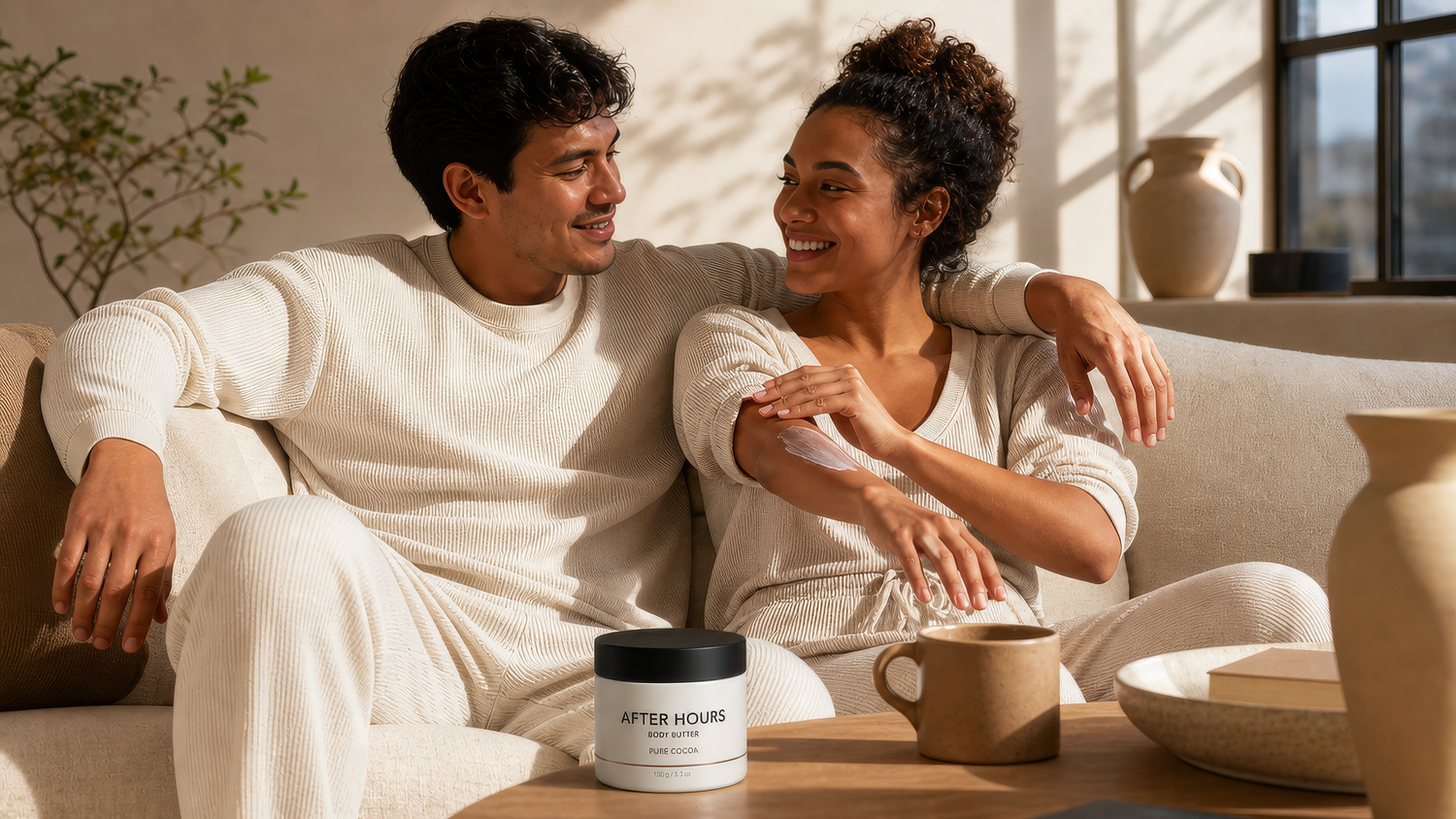

The single most reliable part of any skincare label is the INCI ingredient list, and the order it’s written in tells you almost everything. Ingredients above 1% of the formula must appear in descending order by weight; anything at or below 1% can be listed in any order the brand chooses. That’s your shortcut for judging whether a “hero” ingredient is doing real work or just sitting on the label for marketing.
Here’s the verdict you can use right now, standing in the aisle or scrolling a product page:
- Find the active ingredient you care about, then find the preservative (often phenoxyethanol or sodium benzoate).
- If the active sits before the preservative, it’s likely present in a meaningful dose.
- If it sits after, treat the claim on the front of the box with a healthy dose of scepticism.
Tools like INCIDecoder can translate the scientific names into plain-English functions if a term stumps you. Check the PAO (Period After Opening) symbol too. That little open jar icon with a number tells you how long a product stays safe once you crack the seal.
Key Takeaways
Reading a skincare label accurately means checking the INCI order first, verifying marketing claims second, and patch testing before trusting either.
| Point | Details |
|---|---|
| Check INCI order first | Ingredients above 1% appear in descending order by weight; find the preservative to spot the 1% cutoff. |
| Verify marketing claims | Terms like “hypoallergenic” and “natural” aren’t regulated, so confirm them against the actual ingredient list. |
| Screen for allergens | Watch for Parfum, Limonene, Linalool, Citronellol, and Geraniol if your skin reacts easily. |
| Use PAO and batch codes | The PAO symbol shows usage life after opening; batch codes help trace a suspicious product. |
| Patch test every new product | Apply to your inner forearm, wait 48 hours, and watch for irritation before full use. |
Ready to see ingredient transparency in practice? Browse Afterhoursbodybutter’s product range to view full ingredient lists built around fat-soluble vitamins and vegan, chemical-free formulations.
Table of Contents
- How to read skincare labels: what’s actually on the packaging
- Decoding the INCI list: order, the 1% rule, and how to read it properly
- Ingredient groups explained: what each type actually does for your skin
- Spotting allergens and irritants before you buy
- PAO symbols, expiry dates and batch codes: what the small print means
- Decoding marketing claims: hypoallergenic, natural, and non-comedogenic
- What an ingredient list can’t tell you
- Your shelf-side checklist for reading any label
- A formulator’s view on transparency and hero ingredients
- Trusted resources for decoding ingredients and claims
- Frequently asked questions
- Sources
How to read skincare labels: what’s actually on the packaging
A skincare label carries more information than most people ever look at, and each piece serves a different purpose. Some of it is legally required disclosure. Some of it is pure marketing.
Here’s what you’ll typically find, and where:
- Brand and product name — front of pack, usually the largest text.
- Product type or purpose (moisturiser, serum, body butter) — often near the name.
- Net weight or volume — printed in grams, millilitres, or fluid ounces, usually on the front or side.
- Full ingredient list (INCI) — almost always on the back or base, often in small print.
- Claims and marketing badges (“vegan”, “hypoallergenic”, “dermatologist tested”) — scattered across the front and sides.
- Manufacturer name and address — small print, usually near the ingredient list.
- Batch code and symbols (PAO, expiry date) — often stamped or embossed near the base or crimped seal.
The ingredient list is the only section that’s tightly regulated in what it must contain and how it’s ordered. Front-of-pack claims are marketing copy, and while some brands back them with genuine testing, the words themselves aren’t independently verified before printing. If you only trust one part of the packaging, trust the back.
Decoding the INCI list: order, the 1% rule, and how to read it properly
INCI stands for International Nomenclature of Cosmetic Ingredients, a standardised naming system that gives every cosmetic ingredient one consistent scientific or Latin name, regardless of which country sells the product or which brand makes it. That’s what lets you compare a £8 body lotion with a £45 one using the exact same vocabulary, according to the INCI standard on Wikipedia.
The rule that matters most: ingredients above 1% of the total formula must be listed in descending order by weight. Once you hit 1% or below, brands can list ingredients in whatever order they like. That single regulation is why the “find the preservative” trick works so well. Preservatives like phenoxyethanol, sodium benzoate, or potassium sorbate are almost always used at or under 1%, so wherever they appear in the list marks the rough boundary between “definitely more than 1%” and “possibly a lot less,” according to skincare formulator Dr Alek.
Here’s a step-by-step method for decoding any list:
- Spot the base. Almost every formula opens with Aqua (water), sometimes followed by a plant-derived alternative like Aloe Barbadensis Leaf Juice.
- Scan the next few entries. These are usually humectants and emollients, the ingredients doing the bulk of the texture and hydration work.
- Locate your target active. Find the ingredient you actually bought the product for, whether that’s niacinamide, hyaluronic acid, or a plant oil.
- Find the preservative. Once you spot phenoxyethanol, sodium benzoate, or similar, everything from that point onward is likely 1% or less.
- Check your active’s position relative to the preservative. Before it usually means a functional dose. After it means treat the claim cautiously.
- Note any trade names or proprietary blends. Some brands use registered blend names that hide several ingredients under one term. Look these up individually if transparency matters to you.
Take a mock list as an example: Aqua, Glycerin, Shea Butter, Niacinamide, Cetearyl Alcohol, Phenoxyethanol, Sodium Hyaluronate, Parfum. Niacinamide sits before the preservative, so it’s plausibly at a working concentration. Sodium hyaluronate, listed after phenoxyethanol, is almost certainly a token amount, added for the ingredient-list appeal rather than hydration performance.
Pro Tip: When a brand actually publishes the percentage of its key active on the packaging or website, trust that figure over your own guesswork. Position in the list is a heuristic, not a lab result, and percentage disclosure removes the ambiguity entirely*.*
Ingredient groups explained: what each type actually does for your skin
Once you can read the order, the next skill is recognising ingredient families and what they’re built to do. Most formulas combine a handful of functional categories, and knowing them turns a wall of Latin names into a shopping strategy.
- Humectants draw water into the skin. Glycerin and sodium hyaluronate (the salt form of hyaluronic acid) are the two you’ll see most often, and both are genuinely effective at modest concentrations.
- Emollients and plant butters soften and smooth the skin’s surface. Shea butter, cocoa butter, and plant oils like jojoba or sunflower seed oil fall here.
- Occlusives seal moisture in by forming a barrier on the skin. Petrolatum is the classic example, though natural waxes and some plant butters perform a similar job.
- Exfoliants work chemically rather than physically. AHAs like glycolic acid and BHAs like salicylic acid loosen dead skin cells.
- Vitamins and actives target specific concerns. Niacinamide (vitamin B3), ascorbic acid and its derivatives (vitamin C), and retinoids are the most researched.
- Peptides and antioxidants support the skin’s structure and defend against environmental stress, though they usually work best as part of a wider formula rather than alone.
If hydration is your goal, prioritise humectants near the top of the list. If you’re acne-prone, favour lightweight humectants and niacinamide over heavy occlusives. If your skin reacts easily, look for barrier-supporting ingredients like ceramides and multi-weight hyaluronic acid appearing early, and be wary of long fragrance blends near the top, a pattern Allure’s ingredient guide flags for reactive skin types specifically.
Afterhoursbodybutter builds its formulas around fat-soluble vitamins and nutrients precisely because they sit naturally within the emollient and antioxidant categories, working with the skin’s own oil-based barrier rather than against it. If you want a broader look at how natural humectants deliver hydration, it’s worth reading alongside this section.
Spotting allergens and irritants before you buy
Fragrance is the single biggest hidden risk on most skincare labels, and it can appear as “Parfum,” “Fragrance,” or “Aroma” without disclosing a single one of the dozens of compounds that might be blended inside it. Within that fragrance umbrella, a handful of specific chemicals cause most of the reactions: Limonene, Linalool, Citronellol, and Geraniol are frequent sensitisers worth learning to spot by name, according to Allure.
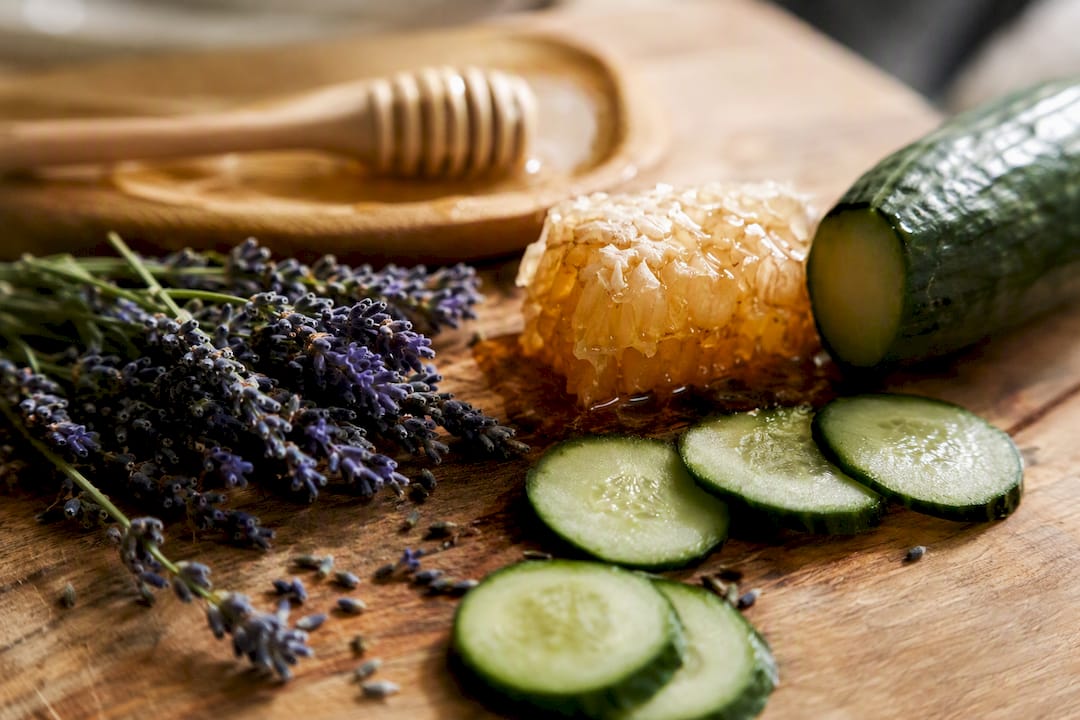
Essential oils carry the same risk, even when they’re marketed as “natural” or “clean.” Natural doesn’t mean non-irritating.
A few distinctions worth knowing:
- “Fragrance-free” means no fragrance ingredients or masking scents were added at all.
- “Unscented” often means a masking fragrance was used to cancel out other smells, meaning fragrance chemicals may still be present.
- Watch for Latin botanical names buried mid-list. Something like Citrus Limon Peel Oil is a fragrance source even without the word “fragrance” anywhere on the pack.
For patch testing, apply a small amount to your inner forearm, wait 48 hours, and watch for redness, itching, or bumps before applying anywhere else. If irritation shows up, stop immediately and consult a pharmacist or dermatologist if it doesn’t settle within a day or two.
Pro Tip: If you’re building a routine for reactive skin, our guide to a body care routine for sensitive skin walks through ingredient selection in more depth.
PAO symbols, expiry dates and batch codes: what the small print means
The PAO symbol, an open jar icon with a number like “12M” printed inside or beside it, tells you how many months a product stays safe to use once it’s opened. It’s distinct from a printed expiry or best-before date, which reflects unopened shelf life rather than usage after opening, as Allure explains.
Batch codes, usually a short string of letters and numbers stamped near the base or crimped seal, let manufacturers trace a product back to its production run. If a product smells off, has changed colour or texture, or arrived with a damaged seal, it’s worth avoiding regardless of what the batch code says.
Quick rules that affect shelf life:
- Keep jars and bottles out of direct sunlight and away from bathroom heat and steam.
- Reseal lids fully; repeated air exposure speeds up oxidation, especially for vitamin C formulas.
- If water gets into a jar during use, that introduces bacteria and shortens usable life regardless of the PAO number.
Decoding marketing claims: hypoallergenic, natural, and non-comedogenic
Terms like “hypoallergenic,” “non-comedogenic,” “dermatologist tested,” and “natural” aren’t strictly regulated the way the ingredient list is. Brands can apply them based on internal testing standards that vary enormously from one company to the next, according to Allure’s label-reading guide.
That doesn’t make the claims worthless, but it does mean you need to verify them yourself rather than take them at face value.
- Scan the ingredient list for fragrance and known irritants regardless of what “hypoallergenic” promises.
- Check whether research-backed actives sit early enough in the list to matter, rather than trusting the front-of-pack percentage badge alone.
- Cross-reference the formula against a database like INCIDecoder or a reputable ingredient explainer site.
Some claims do carry genuine regulatory weight. SPF ratings and active drug ingredients in sunscreens go through formal testing and labelling requirements. “Natural” and “clean,” by contrast, have no universal legal definition in cosmetics, so they’re marketing language dressed up as fact.
What an ingredient list can’t tell you
Position in the INCI list is a heuristic, not a lab report, and it has real limits. It won’t tell you the exact concentration of any ingredient unless the brand discloses it separately. It won’t tell you whether an unstable active like vitamin C or retinol has degraded from poor packaging or prolonged light exposure. It won’t reveal the delivery system a formula uses to actually get an ingredient into the skin, and it won’t confirm the quality or sourcing of a botanical extract hiding behind a Latin name.
Some actives are effective at genuinely low doses, while others, like niacinamide or glycolic acid, need a threshold concentration before they do much at all, per INCIDecoder’s guidance. Compensate by favouring brands that disclose percentages, checking for third-party data where it exists, and always patch testing before committing to a full routine.
Your shelf-side checklist for reading any label
Run through this sequence next time you’re deciding whether to buy:
- Confirm the product type and the specific active you’re buying it for.
- Scan the INCI list and check whether that active appears before the preservative.
- Screen for fragrance terms and known irritants like Limonene or Linalool.
- Check the PAO symbol and expiry date, and inspect the seal for damage.
- Patch test on your inner forearm: apply a small amount, wait 48 hours, and watch for redness or itching.
- If you need more detail on a specific ingredient’s function, look it up in a decoder tool before you commit.
Pro Tip: Keep a simple note on your phone of any reaction, including the date, the product, and what happened. If a reaction is severe or doesn’t resolve, contact a pharmacist or your GP rather than waiting it out.
A formulator’s view on transparency and hero ingredients
Formulating a body butter means constant trade-offs between texture, stability, and cost, and the ingredient list is where those decisions become visible to anyone willing to read it properly. Preservatives exist to protect the customer, not to pad a formula, and their position in the list is often mistaken for a red flag when it’s actually a safety feature. Some “hero” ingredients sit at low percentages not because a brand is hiding something, but because that’s genuinely where the ingredient works best… Afterhoursbodybutter builds around that same principle: fat-soluble vitamins in doses chosen for function, not for how they look on a label.
Trusted resources for decoding ingredients and claims
A handful of resources are worth bookmarking once you start reading labels seriously:
- INCIDecoder — searchable database that translates INCI names into functions and irritancy flags.
- INCI reference on Wikipedia — background on the naming standard itself and how it’s governed.
- Allure’s ingredient label guide — consumer-facing explainer on claims, allergens, and PAO symbols.
- Afterhoursbodybutter’s product pages — view full ingredient lists for vegan, sustainably packaged body care.
Frequently asked questions
What’s the fastest way to read skincare labels without a chemistry background? Focus on two things: the order of the ingredient list and the position of your target active relative to the preservative. That single check tells you more than any front-of-pack claim.
Why does ingredient order matter so much? Ingredients above 1% of the formula must be listed in descending order by weight, so earlier position generally means a higher concentration, per INCIDecoder’s ordering rules.
Is “fragrance-free” the same as “unscented”? No. Fragrance-free means no fragrance ingredients were added at all, while unscented can still contain masking fragrance chemicals used to cancel out other smells.
Does a low position in the ingredient list mean an active is useless? Not always. Some actives work at low doses, but many need threshold concentrations to be reliable, so a low position combined with no percentage disclosure is a reason for caution, not automatic rejection.
What should I do if a product irritates my skin during a patch test? Stop using it immediately, wash the area, and consult a pharmacist or dermatologist if redness or itching doesn’t settle within a day or two.
Sources
- INCIDecoder - How to read an ingredient list
- Skin Care Ingredients: How to Read the Label | Allure
- INCIDecoder - Decode your skincare ingredients