

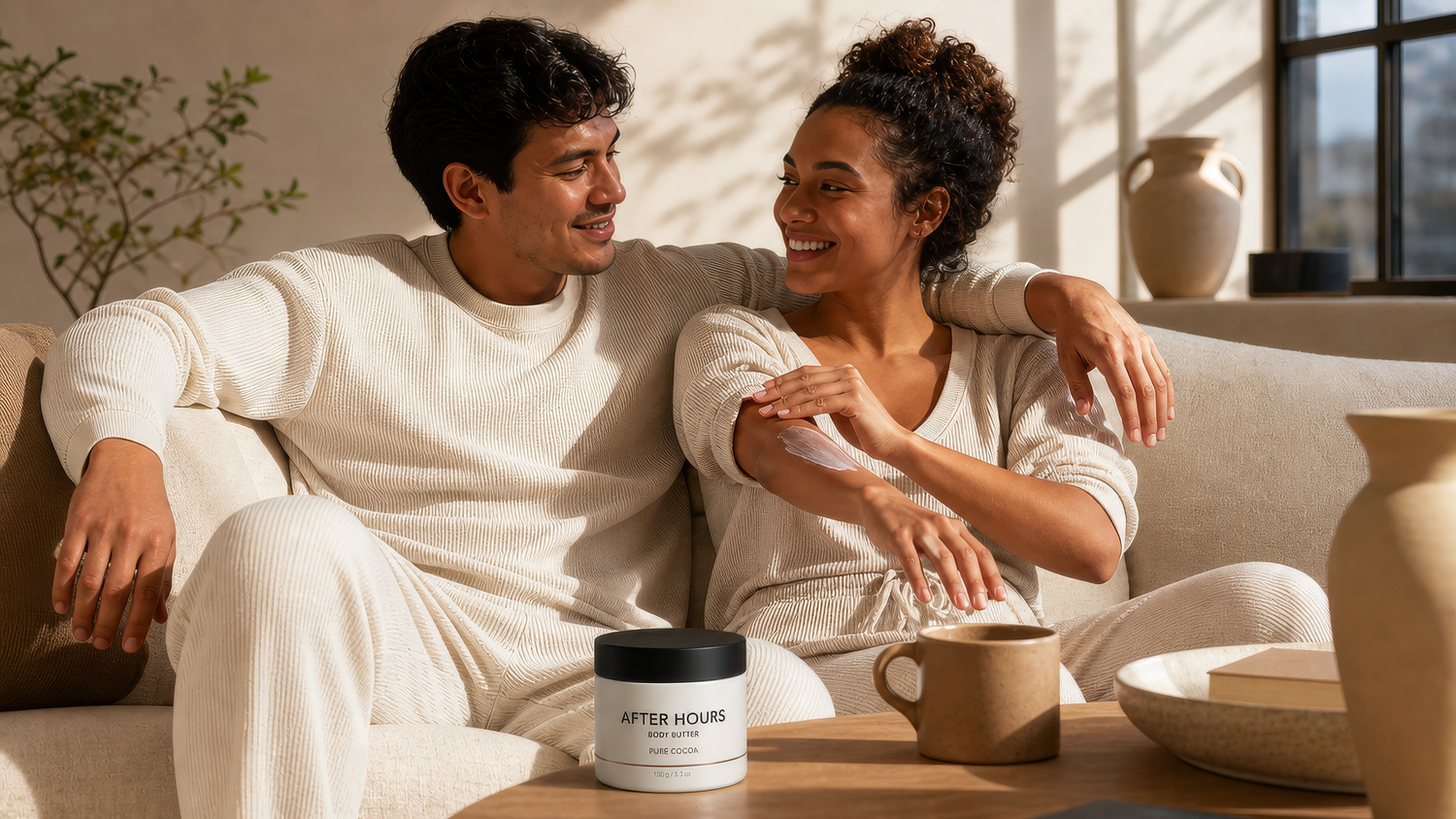

Sustainable body care is the practice of using products formulated with natural, toxin-free ingredients, packaged to minimise waste, and sourced through ethical supply chains. The global body care market sits at US$45.2 billion in 2026, with growth driven by rising demand for eco-friendly alternatives. The average person contacts around 126 chemical ingredients daily through personal care products alone. That figure explains why so many people are rethinking what they put on their skin. Afterhoursbodybutter builds every product around this principle: clean, plant-based ingredients that work without compromising your health or the planet.
How do ingredients in sustainable body care promote skin health?
The ingredients in your body care products do more than clean or moisturise. They interact directly with your skin barrier, your microbiome, and, through rinsing, the wider water system.

Conventional cleansers commonly contain sodium lauryl sulphate (SLS) and sodium laureth sulphate (SLES). These are aggressive surfactants that strip the skin’s natural acid mantle, the thin protective film that keeps moisture in and bacteria out. Once disrupted, the acid mantle takes time to recover, leaving skin feeling tight, dry, or reactive. Plant-based surfactants derived from coconut or sugar cane cleanse effectively without this stripping effect. They preserve the skin’s natural pH and support a healthier barrier over time.
Parabens, synthetic fragrances, and petroleum derivatives are other common offenders in conventional formulas. These ingredients have raised concerns around hormone disruption and skin sensitisation. Natural alternatives, including shea butter, jojoba oil, and botanical extracts, deliver fat-soluble vitamins and nutrients that the skin can actually absorb. Afterhoursbodybutter’s formulations focus specifically on this nutrient delivery, addressing concerns like dryness and acne with ingredients the skin recognises.
Biodegradability is the other side of the equation. Synthetic chemicals that rinse off your body enter the water supply. Many do not break down easily, contributing to aquatic toxicity and microplastic pollution. Plant-derived ingredients biodegrade far more readily, reducing the environmental load with every shower.
- SLS/SLES strip the acid mantle and cause tightness and dryness
- Parabens are linked to skin sensitisation and potential hormone disruption
- Plant-based surfactants cleanse gently and preserve natural skin pH
- Botanical oils deliver fat-soluble vitamins directly to the skin barrier
- Biodegradable formulas reduce chemical load in waterways after rinsing
Pro Tip: If your skin feels tight after cleansing, that is a sign your acid mantle has been disrupted. Switching to a plant-based cleanser and allowing a 1–2 week adjustment period for your microbiome to stabilise is normal and expected.
Why does packaging matter in eco-friendly body products?
Packaging is one of the most visible and measurable parts of a product’s environmental footprint. Most people focus on ingredients, but the container often causes more damage than what is inside it.
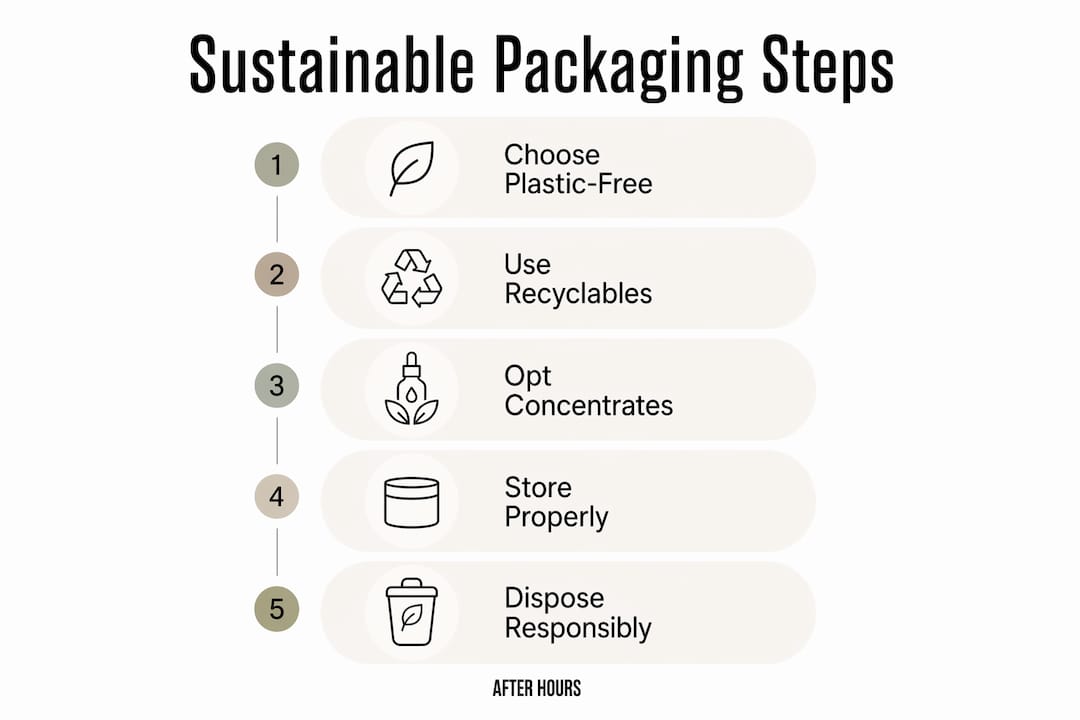
Liquid cleansers contain up to 80% water. That means you are paying to ship, store, and dispose of a product that is mostly water in a plastic bottle. Solid bars eliminate that water content entirely, which reduces both packaging volume and transport weight. Concentrated products carry a similar advantage: less weight per use means fewer lorries on the road and lower carbon emissions per wash.
Switching to concentrated or waterless formats makes a measurable difference. Concentrated deodorant products can reduce transport emissions by up to 94% compared to their liquid equivalents. That is not a marginal gain. It reflects how much of conventional product weight is simply water.
Recycling is often presented as the solution to plastic waste, but the reality is more complicated. Many body care bottles combine multiple plastics, pumps, and metal components that cannot be separated easily at kerbside collection. Refillable designs sidestep this problem entirely. Refillable containers with metal caps reduce plastic waste and extend product lifespan without relying on recycling infrastructure.
| Packaging type | Plastic use | Transport emissions | End-of-life option |
|---|---|---|---|
| Standard liquid bottle | High | High (up to 80% water weight) | Recycling (often complex) |
| Solid bar with paper wrap | Very low | Low (no water content) | Compostable or recyclable |
| Refillable container | Low (one-time) | Low | Reuse, no disposal needed |
| Concentrated format | Low | Very low | Varies by container type |
- Choose solid bars wrapped in paper or card over plastic-bottled liquids
- To look for refillable options with metal or glass components
- Store solid bars on a draining dish, away from direct water contact
Pro Tip: Storing solid bars on a draining soap dish and keeping them out of the shower stream significantly extends their lifespan. A bar that stays dry between uses lasts considerably longer than one left sitting in pooled water.
How do you identify genuine sustainable products and avoid greenwashing?
Greenwashing is the practice of making a product appear more sustainable than it actually is. It is widespread in the body care industry, and it costs consumers both money and trust.
The most common form of greenwashing hides behind vague nature imagery, words like “natural” or “pure,” and token green gestures such as one recyclable component on an otherwise plastic-heavy product. These signals are not evidence of sustainability. They are marketing choices. Greenwashing often obscures limited overall sustainability behind a single small green claim.
Genuine sustainable brands do things differently. They publish full ingredient lists, disclose where ingredients are sourced, and can explain the supply chain behind each component. Ingredient provenance and transparency are the clearest markers of a brand that takes sustainability seriously. If a brand cannot tell you where its shea butter or coconut oil comes from, that is a gap worth questioning.
Third-party certifications add another layer of accountability. Look for organisations that conduct supplier audits, set measurable environmental targets, and publish their criteria publicly. Certifications with strict auditing and measurable goals are the most reliable indicators of authentic claims. Vague self-awarded badges carry no independent verification.
- Read the full ingredient list, not just the front-of-pack claims
- Check whether the brand discloses ingredient origins and supplier standards
- Look for recognised third-party certifications with published audit criteria
- Avoid brands that use “natural” or “eco” without specific supporting evidence
- Prioritise brands that set measurable sustainability targets, not vague absolutes
“True sustainability is not a destination a brand arrives at. It is a set of ongoing, measurable commitments to ingredients, sourcing, packaging, and supply chain transparency. Progress matters more than perfection, but progress must be provable.”
For a deeper look at what full ingredient disclosure actually means for your skin, the natural skincare guide from Afterhoursbodybutter covers sourcing transparency and certification criteria in practical terms.
How to transition your routine to sustainable body care
Switching your entire routine at once is unnecessary and often wasteful. A gradual approach is more practical and produces better results for your skin.
The first step is to use up what you already have. Throwing away half-used products to replace them with sustainable alternatives creates waste rather than reducing it. Work through your current stock, then replace each item as it runs out. This approach costs nothing extra and avoids the guilt of discarding products prematurely.
- Use up existing products before buying replacements. Waste reduction starts at home.
- Swap your body cleanser first. Replace a liquid body wash with a solid syndet bar. Syndet bars are formulated to match the skin’s natural acidic pH, rinsing clean without stripping, unlike traditional alkaline soaps.
- Move to a solid or concentrated shampoo bar as your next swap. These eliminate the largest single source of plastic in most bathroom routines.
- Introduce a natural deodorant gradually. Your underarm microbiome needs time to adjust. Expect a short transition period of up to two weeks.
- Try toothpaste tablets or powder as a low-risk, low-waste swap that requires no adjustment period.
- Switch your body moisturiser last. This is often the easiest swap and the most rewarding. A well-formulated body butter with plant-based oils delivers better hydration than most synthetic lotions.
Skin reactions during the transition are common and temporary. The 1–2 week adjustment period reflects your skin microbiome stabilising after years of exposure to synthetic stripping agents. Mild dryness or breakouts at this stage are not a sign that the new product is wrong for you. They are a sign that your skin is recalibrating.
Pro Tip: Keep a simple log of which products you swap and when. If a reaction occurs, you will know exactly which product to investigate rather than guessing across your whole routine. This also helps you track the nutrient-rich benefits of plant-based formulas as your skin settles.
Key takeaways
Sustainable body care works because it replaces synthetic chemicals with plant-based ingredients, reduces plastic packaging through solid and concentrated formats, and builds trust through ingredient transparency and third-party certification.
| Point | Details |
|---|---|
| Ingredients affect skin and waterways | SLS and parabens disrupt the acid mantle and persist in water; plant-based alternatives do neither. |
| Packaging drives a large part of the footprint | Liquid products are up to 80% water; solid bars and refillables cut plastic and transport emissions significantly. |
| Greenwashing is common | Look for full ingredient lists, supplier traceability, and independently audited certifications rather than vague claims. |
| Transition gradually | Use up existing products first, then swap one item at a time to avoid waste and manage skin adjustment. |
| Progress beats perfection | Starting with one solid bar or one refillable container is a genuine step forward, not a compromise. |
What I have learnt from watching people switch to sustainable body care
The biggest mistake I see is treating sustainable body care as an all-or-nothing decision. People research extensively, feel overwhelmed by the options, and either buy everything at once or do nothing. Neither approach works well.
The greenwashing problem is real and it is getting worse. As demand for eco-friendly products grows, so does the incentive to fake it. I have seen brands with beautiful kraft paper packaging and “botanical” branding that contain the same synthetic surfactants as any conventional product. The packaging signals sustainability. The formula does not deliver it. Reading the ingredient list is non-negotiable.
The adjustment phase also catches people off guard. Someone switches to a natural deodorant, experiences a week of increased perspiration, and concludes the product does not work. What they are actually experiencing is their microbiome recalibrating after years of synthetic suppression. That phase passes. Giving up during it means never experiencing the genuine benefit on the other side.
The progress mindset is what actually sustains change. One solid bar instead of one plastic bottle is a real reduction. It does not need to be a complete lifestyle overhaul to count. The people I have seen make lasting changes start small, notice the difference in their skin, and build from there. That is the pattern that sticks.
— Darnell
Afterhoursbodybutter: natural body care that delivers results
Afterhoursbodybutter formulates every product around plant-based ingredients, fat-soluble vitamins, and zero compromise on chemical additives. The range is vegan, cruelty-free, and built for people who want results alongside responsibility.

The Blueprint Aura Body Butter is a premium option for anyone prioritising skin nourishment alongside sustainable credentials. For men dealing with dry skin, the Men’s Cocoa Body Butter delivers deep moisture through natural cocoa and plant-based actives. Both products come in packaging designed to reduce waste without reducing quality. If you are ready to make your first sustainable swap, these are a practical and effective place to start.
FAQ
What is sustainable body care?
Sustainable body care is the use of products formulated with natural, biodegradable ingredients, packaged to minimise plastic waste, and sourced through ethical supply chains. The goal is to protect both skin health and the environment.
How do I know if a body care product is genuinely sustainable?
Check the full ingredient list for plant-based surfactants and no SLS, parabens, or synthetic fragrances. Look for third-party certifications with published audit criteria and brands that disclose ingredient origins.
What is greenwashing in body care?
Greenwashing is when a brand uses vague terms like “natural” or “eco” without evidence to back them up. Reliable signs of genuine sustainability include full ingredient transparency, supplier traceability, and independently verified certifications.
How long does it take to adjust to natural body care products?
Most people experience a 1–2 week adjustment period as the skin microbiome stabilises after switching from synthetic products. Mild dryness or breakouts during this phase are temporary and normal.
Are solid bars better than liquid products for sustainability?
Solid bars are significantly better for sustainability. Liquid cleansers contain up to 80% water, which increases plastic packaging and transport emissions. Solid bars eliminate that water content and typically use minimal or plastic-free packaging.