

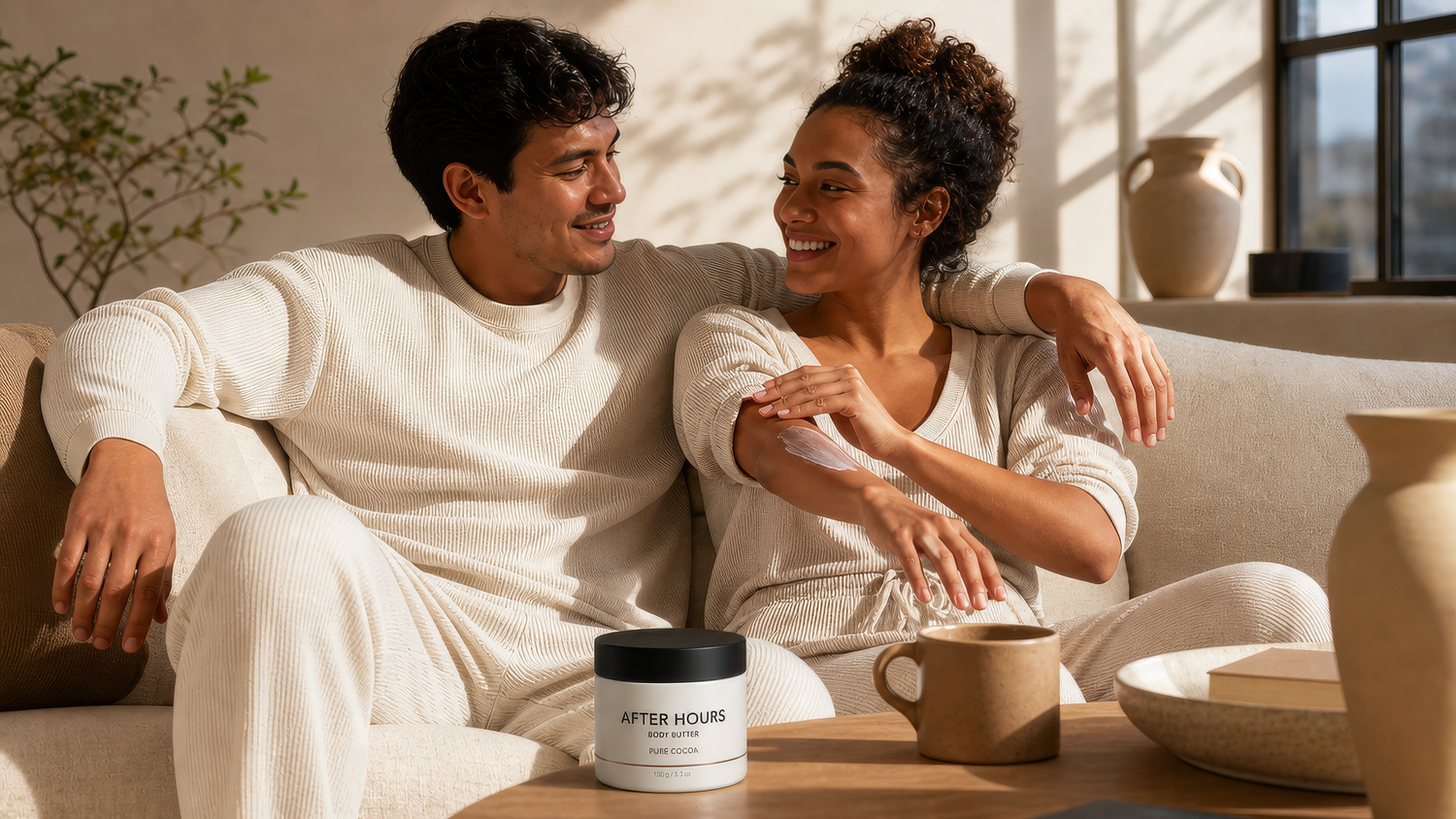

Waterless skincare delivers more concentrated actives and a smaller environmental footprint, but it also has specific limits and storage needs. Removing water from a formula raises the percentage of active ingredients per gram, often lets a product skip the heavier preservative systems that water-based creams need, and shrinks the weight and packaging that get shipped to your door. The trade-offs are real too: some oil-rich formulas oxidise faster, certain proven actives genuinely need water to work, and the texture takes adjusting to.
Here is what the rest of this guide covers:
- What “waterless” actually means, and the formats you’ll encounter (balms, bars, powders, sticks)
- Why concentration can boost potency, and where it can’t
- How fewer preservatives affect sensitive and acne-prone skin
- The sustainability maths behind water-free formulas
- How to transition safely, and what to watch for
Key Takeaways
Waterless skincare works because removing water concentrates active ingredients and reduces reliance on traditional preservatives, while demanding better storage and realistic expectations about which actives actually benefit.
| Point | Details |
|---|---|
| Potency comes from concentration | Removing water raises the percentage of active ingredients, benefiting oil-soluble vitamins and powdered actives most. |
| Fewer preservatives, different risks | Low water activity limits microbial growth but oil-rich formulas still need antioxidant protection against oxidation. |
| Sustainability depends on the details | Cutting 60 to 80% water reduces shipping weight, but sourcing and packaging still determine the real footprint. |
| Transition slowly and patch-test | Introduce one waterless product at a time and test on your arm before applying it to your face. |
| Afterhoursbodybutter fits the potency model | Its vegan, fat-soluble body butters concentrate nutrients in a water-free base, matching the benefits this guide describes. |
Table of Contents
- What does “waterless” mean in a skincare routine?
- Why are concentrated, water-free formulas often more potent?
- Are waterless products better for sensitive or acne-prone skin?
- How much does going waterless actually help the environment?
- How do you use and transition to waterless skincare?
- What are the downsides of waterless skincare?
- How does After Hours Body Butter reflect these benefits?
- What I’d actually try first if you’re curious about waterless skincare
- Try a concentrated, vegan body butter built around these benefits
- Sources
What does “waterless” mean in a skincare routine?
“Waterless” is a formulation category, not a marketing gimmick, and it splits into two real types. Anhydrous products contain no water at all: think solid balms, oil serums, and pressed powders. Water-activated products start dry and are mixed with water only at the point of use, like a cleansing powder you froth up in your palm. The technical concept behind both is water activity (often written aw), a measure of how much free, usable water sits in a product. Microbes need that free water to multiply, so a low aw naturally slows microbial growth.
- Balms and oils feel rich and melt on contact with skin warmth, ideal for barrier support and dry patches.
- Solid bars condense a full-size product into a fraction of the volume, popular for cleansers and moisturising sticks.
- Powders and tablets stay inert until water or friction activates them, protecting fragile ingredients until the last possible moment.
- Sticks offer mess-free, travel-friendly application with minimal packaging.
Format matters because it dictates how stable the active ingredients stay, how the product needs to be preserved, and how it feels on skin. That’s the trade-off you’re weighing every time you pick up a jar versus a bar.
Why are concentrated, water-free formulas often more potent?
Take the water out of a formula and the maths changes: an ingredient that made up 5% of a water-based lotion can represent 20% or more of an anhydrous version, simply because there’s less diluent taking up space. That’s the core logic behind most waterless skincare benefits claims, and it holds up particularly well for oil-soluble actives like vitamin E, certain retinoid esters, and plant-derived fatty acids, which stay stable and active without water around to encourage breakdown.
Powder formats push this further. Some vitamin C derivatives degrade quickly once dissolved in water, losing potency within weeks of opening. Kept as a dry powder and mixed only when you’re about to use it, the same active can stay stable until the moment of application.
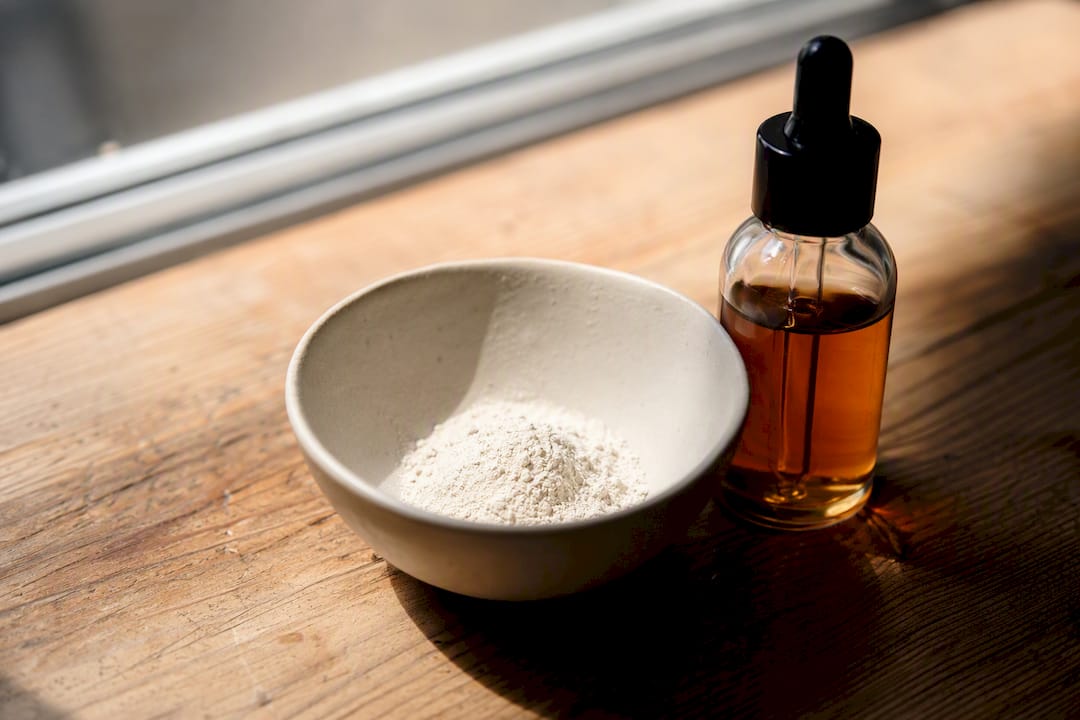
Not every ingredient benefits, though. Humectants like hyaluronic acid and glycerin rely on water to do their job of drawing moisture into skin, so a waterless format doesn’t make them more effective, just differently delivered.
Consumer demand backs this shift: the global waterless cosmetics market is valued at over $11 billion and is projected to more than double within the next decade, driven largely by interest in concentrated, less-diluted formulas.
- Oil-soluble vitamins hold potency longer without water present
- Powdered actives resist degradation until activated
- Water-dependent humectants see no potency boost from going waterless
Are waterless products better for sensitive or acne-prone skin?
Fewer preservatives sounds like an unambiguous win, and for a lot of reactive skin, it is. Dermatologists note that waterless formulas can reduce exposure to the preservatives that commonly irritate sensitive skin, since microbes need free water to grow and low-water formulas simply don’t offer them the conditions to multiply. For someone whose skin flares at the first hint of a preservative like formaldehyde-releasers or certain parabens, that’s a genuine advantage.
It isn’t a blanket rule, though. Oil-rich anhydrous formulas can feel heavier on the skin and, according to cosmetic chemists, may need careful engineering to avoid clogging pores on acne-prone or very oily skin. Richer isn’t automatically better if your skin already struggles with congestion.
- Sensitive and reactive skin often tolerates low-preservative, low-water formulas well
- Very dry or eczema-prone skin tends to benefit from the occlusive, barrier-supporting nature of balms
- Acne-prone or very oily skin should patch-test oil-rich formats before full use
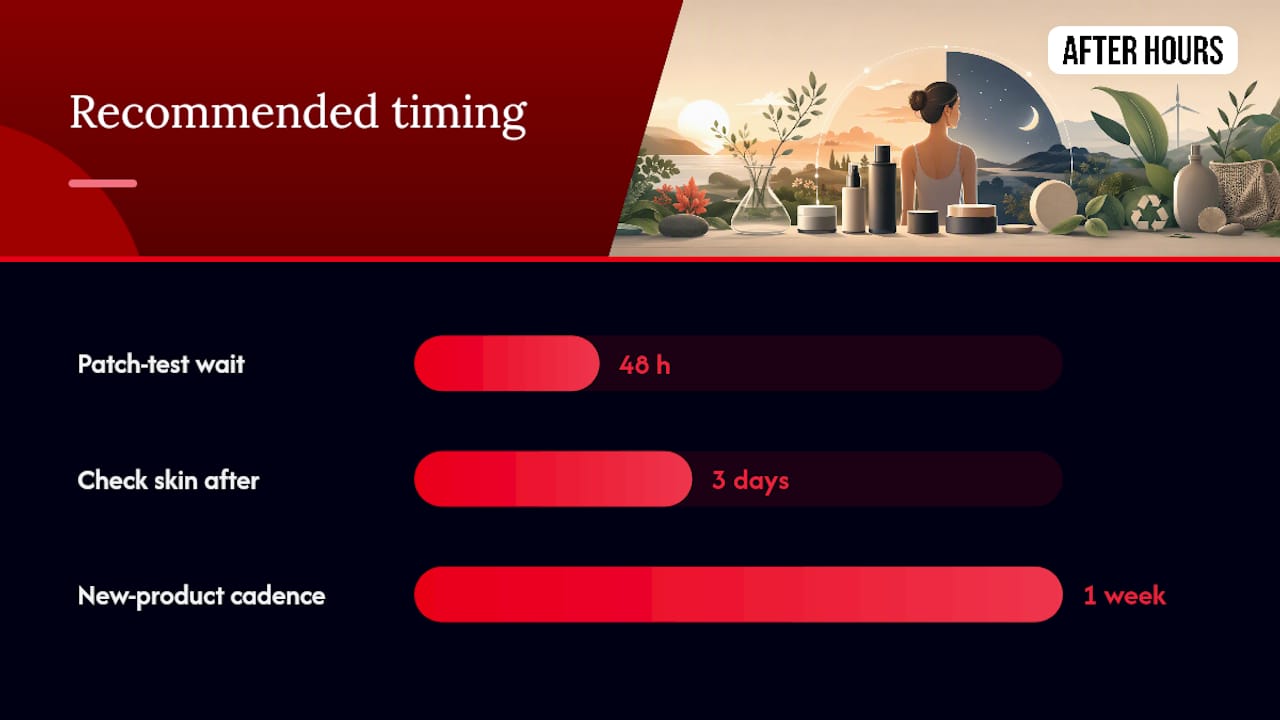
Pro Tip: Patch-test any new waterless balm or oil on your inner forearm for three days before applying it to your face. Reactions to concentrated actives show up faster than with diluted, water-based versions.
How much does going waterless actually help the environment?
Water typically makes up a large portion of a standard lotion or cream. Strip that out and you’re shipping a fraction of the weight and volume for the same number of uses, which reduces transport weight and can lower carbon emissions tied to distribution. A pallet of solid bars simply takes up less space and less fuel than the equivalent pallet of liquid-filled bottles.
Packaging follows the same logic. Bars and sticks often need minimal or no plastic housing, and refillable powder or balm formats cut down on single-use containers over time. None of this happens automatically, though: a waterless product shipped in a thick glass jar with excess outer packaging can still carry a heavier footprint than a well-designed water-based alternative. Sourcing matters too, and the UN’s own resources on industrial water conservation make the broader case for why reducing water use in manufacturing carries public benefit beyond any single product category.
- Removing 60 to 80% water cuts shipping weight substantially
- Solid and refill formats reduce reliance on single-use plastic
- Real sustainability still depends on sourcing, packaging design, and manufacturing practices
How do you use and transition to waterless skincare?
Switching over doesn’t require overhauling your entire cabinet in one go. Bring in one product at a time so you can actually track how your skin responds.
- Activate powders sparingly. Mix only the amount you’ll use immediately; once water touches the formula, the clock on freshness starts running.
- Apply balms and oils to slightly damp skin. This helps them spread thinner and absorb rather than sitting on the surface, a technique cosmetic chemists point to for reducing that heavy, greasy feel.
- Patch-test first. Apply a small amount to your inner arm and wait 48 hours before using it on your face.
- Introduce one new product per week. This makes it far easier to spot which formula is helping and which isn’t.
- Take advantage of travel convenience. Solid and powder formats skip liquid restrictions and spillage risk entirely.
Some people notice smoother, more balanced skin fairly quickly after switching to a waterless routine, though most experts still recommend a gradual approach rather than replacing everything overnight.
Pro Tip: Keep a one-line note in your phone each time you introduce a new product, with the date and how your skin felt after three days. It sounds basic, but it’s the fastest way to catch a reaction before it becomes a breakout.
What are the downsides of waterless skincare?
Concentration cuts both ways. Oil-rich, water-free formulas are more prone to oxidation and rancidity over time, particularly once a jar is opened and exposed to air and light repeatedly. Store them somewhere cool, dark, and airtight, and pay attention to best-before dates once opened rather than just the unopened shelf life. Formulators themselves caution that low water activity limits microbial growth but doesn’t remove the need for antioxidant stabilisation or manufacturing controls.
Some of skincare’s most well-studied actives, including certain forms of niacinamide and hyaluronic acid, are water-soluble by nature and often perform just as well, or better, in a hydrous format.
- Store oil-rich waterless products away from heat and direct light
- Check for rancid or “off” smells as a sign a product has turned
- Expect a richer, denser texture that may take a few uses to adjust to
- Don’t assume “more concentrated” automatically means “more effective” for every ingredient
How does After Hours Body Butter reflect these benefits?
Afterhoursbodybutter formulates its vegan, cruelty-free body butters around fat-soluble vitamins and nutrients, packaged and manufactured sustainably in the UK. That concentrated, fat-soluble delivery model lines up directly with the potency argument above: nutrients suspended in a rich, water-free base rather than diluted into a thin lotion.
Customers with sensitive skin have reported visible improvements in texture and reductions in acne and irritation after switching to chemical-free, fat-soluble formulas, consistent with what dermatologists say about lower preservative exposure benefiting reactive skin.
A water-based routine built for sensitive skin can still make sense if you specifically need humectant-driven hydration on top of a barrier-repair balm.
What I’d actually try first if you’re curious about waterless skincare
Start with one product, not a full routine overhaul. A balm or a powder cleanser is the easiest entry point because both let you feel the difference in concentration without committing to a full system change. Patch-test it properly, on your arm, for three days, before it goes anywhere near your face. Store it away from your bathroom radiator or windowsill; heat and light are what turn a good oil-rich formula rancid before its time. Give it four to six weeks before judging results. Skin adjusts on its own timeline, not the internet’s.
Try a concentrated, vegan body butter built around these benefits
Afterhoursbodybutter is the direct alternative to diluted, water-heavy lotions for anyone who wants the potency and sustainability gains this article just walked through, without guessing which brand actually formulates that way. Every body butter is vegan, cruelty-free, and made without chemical fillers, concentrating fat-soluble vitamins into a rich base rather than stretching them thin with water.
If you’re ready to feel the difference concentration makes, and understand why body butter absorbs so deeply in the first place, visit the After Hours Body Butter shop and pick a formula suited to your skin’s needs.
Sources
- Waterless cosmetics global market report — The Business Research Company
- The benefits of waterless beauty for sensitive & ageing skin — Los Angeles Times
- Water-less skincare: benefits and product examples — W Magazine